

Maintaining a large number of municipal light poles is a complex and costly endeavor that municipalities across the globe grapple with on a daily basis. As a supplier of Municipal Light Pole, I have witnessed firsthand the various factors that contribute to the overall cost of keeping these essential infrastructure elements in working order.
Initial Investment and Installation Costs
The journey of a municipal light pole begins with the initial investment in purchasing the poles and the associated equipment. High - quality light poles are built to withstand various environmental conditions, from strong winds to heavy snowfall. The materials used, such as steel, aluminum, or composite materials, vary in cost. Steel poles, for example, are known for their durability but can be relatively expensive due to the cost of raw materials and manufacturing processes.
Installation is another significant cost factor. It involves labor, equipment rental, and any necessary permits. Professional installation teams are required to ensure that the poles are properly grounded, securely anchored, and wired correctly. This not only guarantees the safety of the public but also the long - term functionality of the light poles. In some cases, the installation process may require special machinery, such as cranes, to lift and position the poles, further adding to the cost.
Energy Consumption
One of the most ongoing and substantial costs associated with municipal light poles is energy consumption. Traditional incandescent bulbs have largely been phased out in favor of more energy - efficient options like LED lights. However, even with the energy - saving benefits of LEDs, the sheer number of light poles in a municipality can result in a significant energy bill.
The energy consumption of a light pole depends on several factors, including the wattage of the bulb, the number of hours it is operational each day, and the efficiency of the lighting system. Municipalities often strive to optimize their lighting schedules, turning off lights during daylight hours or reducing brightness during off - peak periods. However, this requires sophisticated control systems, which come with their own installation and maintenance costs.
Maintenance and Repairs
Regular maintenance is crucial to ensure the safety and functionality of municipal light poles. Over time, light poles are exposed to harsh weather conditions, vandalism, and normal wear and tear. This can lead to issues such as rust, corrosion, broken bulbs, and damaged wiring.
Inspections need to be carried out periodically to identify potential problems. Trained technicians are required to climb the poles or use specialized equipment to access hard - to - reach areas. The cost of labor for these inspections can be substantial, especially when dealing with a large number of light poles.
When repairs are needed, the cost can vary widely depending on the nature of the problem. Replacing a broken bulb is a relatively inexpensive fix, but repairing or replacing a corroded pole can be extremely costly. In some cases, the entire pole may need to be removed and replaced, which involves additional labor, equipment, and the cost of a new pole.
Technology Upgrades
The world of lighting technology is constantly evolving, and municipalities are under pressure to keep up with the latest advancements. Smart Light Pole technology, for example, offers a range of benefits, including remote monitoring, energy management, and integration with other smart city systems.
However, upgrading to smart light poles requires a significant upfront investment. The cost includes not only the purchase of the new poles but also the installation of the necessary sensors, communication devices, and software. Additionally, there may be ongoing costs associated with software updates and system maintenance.
Environmental and Regulatory Compliance
Municipalities are also subject to various environmental and regulatory requirements when it comes to maintaining light poles. For example, proper disposal of old bulbs and other electrical components is essential to prevent environmental pollution. This may involve recycling programs or the use of specialized waste management services, which add to the overall cost.
Regulatory compliance also extends to safety standards. Light poles must meet certain structural and electrical safety requirements. Failure to comply with these regulations can result in fines and legal issues, further increasing the cost of maintenance.
Cost - Saving Strategies
Despite the high costs associated with maintaining municipal light poles, there are several strategies that municipalities can implement to reduce these expenses. One approach is to invest in energy - efficient lighting technologies. As mentioned earlier, LED lights consume significantly less energy than traditional bulbs, resulting in long - term savings on energy bills.
Another strategy is to implement a preventive maintenance program. By regularly inspecting and maintaining light poles, potential problems can be identified and addressed before they become major issues. This can help to extend the lifespan of the poles and reduce the frequency of costly repairs.
Collaboration with suppliers can also lead to cost savings. As a supplier, we often work closely with municipalities to develop customized solutions that meet their specific needs and budget constraints. This may include bulk purchasing discounts, long - term service contracts, and the provision of training and support.
The Role of Technology in Cost Management
Technology plays a crucial role in managing the cost of maintaining municipal light poles. Advanced monitoring systems can provide real - time data on the performance of light poles, including energy consumption, bulb status, and any potential faults. This allows municipalities to proactively address issues and optimize their maintenance schedules.
For example, a smart lighting system can detect when a bulb is about to fail and automatically schedule a repair. This not only reduces the downtime of the light pole but also minimizes the need for unnecessary inspections. Additionally, remote control systems enable municipalities to adjust the brightness and operation of light poles based on real - time conditions, further reducing energy consumption.
Conclusion
Maintaining a large number of municipal light poles is a costly but necessary task for municipalities. The costs associated with initial investment, energy consumption, maintenance, technology upgrades, and regulatory compliance can add up quickly. However, by implementing cost - saving strategies and leveraging the latest technologies, municipalities can effectively manage these expenses.
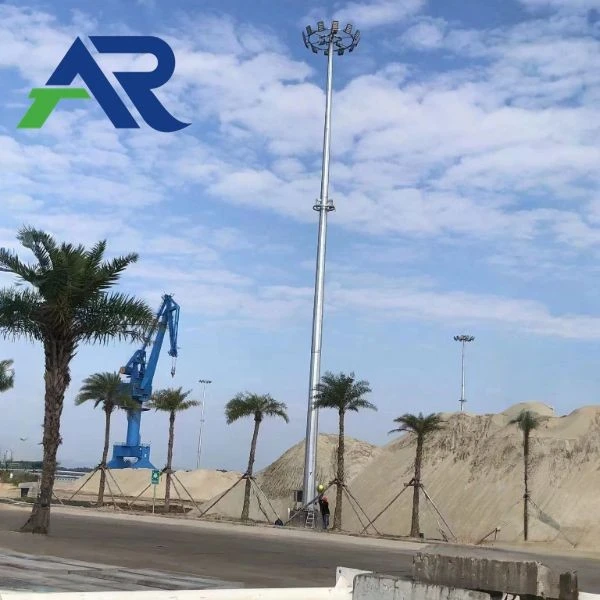
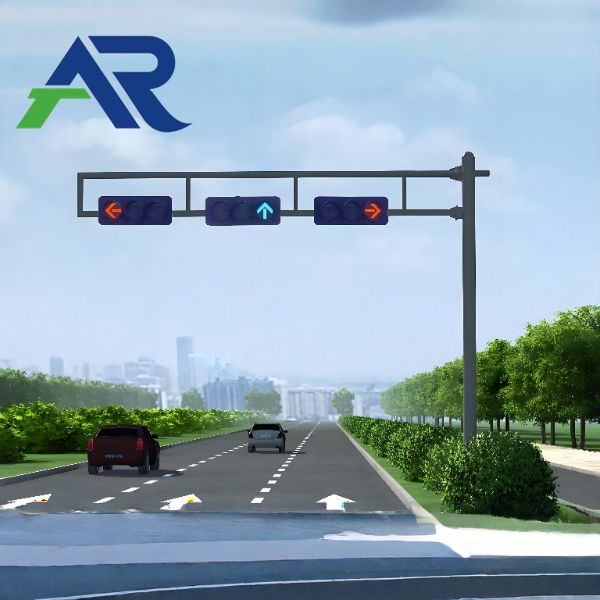
As a supplier of Municipal Light Pole, we are committed to helping municipalities find the most cost - effective solutions for their lighting needs. Whether it's through the supply of energy - efficient products, the implementation of smart lighting systems, or the provision of comprehensive maintenance services, we are here to support our customers every step of the way.
If you are a municipality or an organization responsible for the management of light poles and are interested in discussing your specific requirements, we invite you to reach out to us for a detailed consultation. We look forward to the opportunity to work with you to find the best solutions for your lighting infrastructure.
References
- "Municipal Lighting Infrastructure: Challenges and Solutions" - Journal of Urban Infrastructure Management
- "Energy - Efficient Lighting Technologies for Municipalities" - International Journal of Sustainable Energy
- "Smart City Lighting: A Comprehensive Guide" - Smart Cities Research Institute