

In the realm of power infrastructure development, the construction of electric power towers is a significant undertaking that demands careful consideration of various factors. As a seasoned Electric Power Tower supplier, I have witnessed firsthand the complexities and implications associated with this process. In this blog post, I will delve into the cost - benefit analysis of building electric power towers, exploring both the financial and non - financial aspects to provide a comprehensive understanding of this crucial infrastructure project.
I. Costs Associated with Building Electric Power Towers
A. Initial Construction Costs
The first and most obvious cost is the initial construction of the electric power towers. This includes the cost of materials such as steel, concrete, and other components required for the tower's structure. High - quality steel is often used to ensure the tower's durability and strength, but it comes at a significant cost. Additionally, the cost of manufacturing and fabricating the tower components in a factory setting, followed by transportation to the construction site, adds to the overall expense.
Labor costs are another substantial part of the initial construction. Skilled workers are needed for tasks such as tower assembly, foundation building, and electrical wiring. These workers must be well - trained and experienced to ensure the safety and proper functioning of the towers. The cost of hiring and retaining such labor can be quite high, especially in regions where there is a shortage of skilled workers.
The cost of obtaining the necessary permits and approvals from local authorities cannot be overlooked. This process often involves fees and can be time - consuming, as it requires compliance with various regulations and environmental standards. For example, environmental impact assessments may be required to ensure that the construction does not harm the local ecosystem.
B. Maintenance and Operational Costs
Once the electric power towers are built, they require regular maintenance to ensure their long - term functionality. This includes inspections for corrosion, damage from weather events, and wear and tear. Maintenance crews need to be dispatched regularly to check the structural integrity of the towers, replace any damaged components, and ensure that the electrical systems are working properly.
Operational costs also include the cost of powering the electrical equipment associated with the towers, such as transformers and monitoring devices. These costs can accumulate over time and need to be factored into the overall cost - benefit analysis.
C. Land Acquisition Costs
Acquiring the land on which to build the electric power towers is another significant expense. The land must be suitable for tower construction, with appropriate soil conditions and access to transportation routes. In some cases, landowners may demand high compensation for the use of their land, especially if it is in a prime location or has high agricultural or commercial value.
II. Benefits of Building Electric Power Towers
A. Energy Transmission and Distribution
The primary benefit of electric power towers is their role in energy transmission and distribution. They enable the efficient transfer of electricity from power generation sources, such as power plants, to consumers. This is essential for meeting the growing demand for electricity in both urban and rural areas. By transmitting electricity over long distances, power towers help to balance the supply and demand of energy across different regions.
For example, in remote areas where there are no direct power sources, electric power towers can bring electricity to homes and businesses, improving the quality of life and promoting economic development. They also play a crucial role in integrating renewable energy sources, such as wind and solar farms, into the existing power grid. These renewable energy sources are often located in areas far from population centers, and power towers are needed to transport the generated electricity to where it is needed.
B. Economic Development
The construction of electric power towers can stimulate economic development in the areas where they are built. The initial construction phase creates jobs for local workers, including construction laborers, engineers, and project managers. This influx of employment opportunities can boost the local economy by increasing household incomes and consumer spending.
In the long term, the availability of reliable electricity can attract new industries and businesses to the area. Industries such as manufacturing, technology, and agriculture rely heavily on a stable power supply. By providing this, electric power towers can contribute to the growth of local industries, leading to increased tax revenues for the local government and further economic development.
C. Improved Grid Reliability
Electric power towers enhance the reliability of the power grid. They are designed to withstand various environmental conditions, such as high winds, heavy snow, and lightning strikes. By having a network of well - built power towers, the power grid can better withstand disruptions and recover more quickly from outages.
This improved reliability is crucial for both residential and commercial consumers. For residential consumers, it means fewer power outages, which can disrupt daily life and cause inconvenience. For commercial consumers, reliable power is essential for maintaining business operations and avoiding costly downtime.
III. Cost - Benefit Comparison
When comparing the costs and benefits of building electric power towers, it is important to consider both the short - term and long - term perspectives. In the short term, the initial construction costs can be quite high, and it may take some time for the benefits to materialize. However, in the long term, the benefits of energy transmission, economic development, and improved grid reliability often outweigh the costs.
For example, the investment in building electric power towers can lead to significant savings in the long run by reducing the need for costly power generation and transmission alternatives. Additionally, the economic development stimulated by the towers can generate additional tax revenues and business opportunities, which can help to offset the initial investment.
It is also important to note that the cost - benefit analysis can vary depending on the specific location and scale of the project. In some areas, the cost of land acquisition and construction may be relatively low, while in others, the benefits may be more pronounced due to the high demand for electricity or the potential for economic development.
IV. The Role of Our Company as an Electric Power Tower Supplier
As an Electric Power Tower supplier, we play a crucial role in the cost - benefit equation. We are committed to providing high - quality towers at competitive prices, which can help to reduce the initial construction costs for our clients. Our towers are designed and manufactured using the latest technology and industry standards, ensuring their durability and reliability.
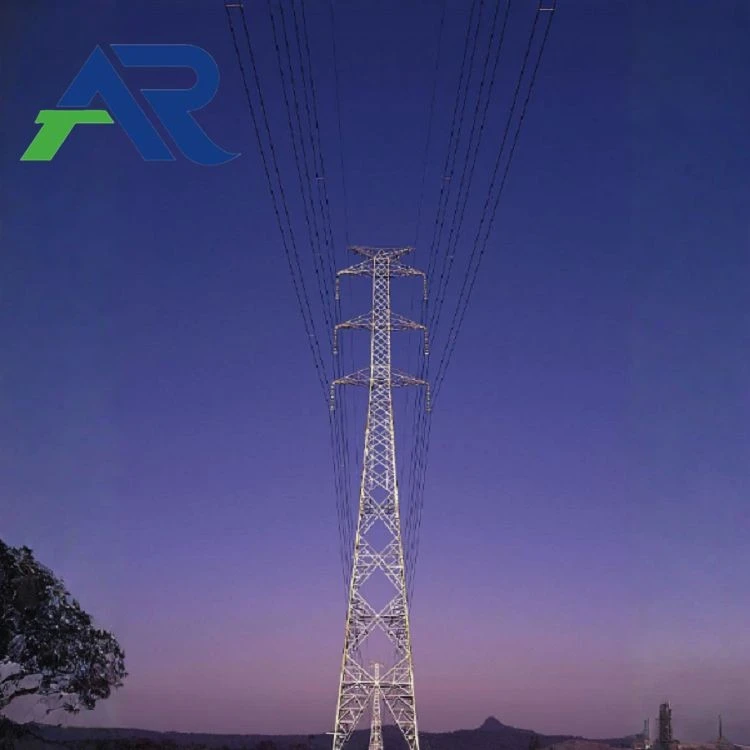
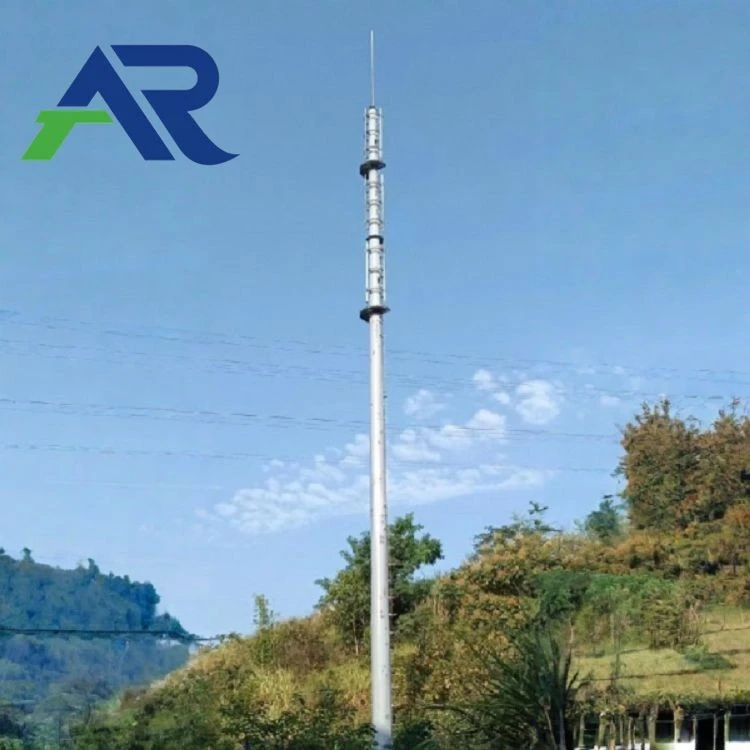
We also offer comprehensive support services, including installation guidance, maintenance training, and after - sales support. This can help our clients to minimize the long - term maintenance and operational costs associated with the towers.
By working closely with our clients, we can help them to make informed decisions about the design and specifications of the towers, taking into account their specific needs and budget constraints. Our experience in the industry allows us to provide valuable insights into the cost - benefit analysis of building electric power towers, helping our clients to maximize the benefits while minimizing the costs.
V. Conclusion and Call to Action
In conclusion, the cost - benefit analysis of building electric power towers is a complex but essential process. While there are significant costs associated with construction, maintenance, and land acquisition, the benefits of energy transmission, economic development, and improved grid reliability make it a worthwhile investment in the long run.
As an Electric Power Tower supplier, we are dedicated to providing our clients with the best solutions for their power infrastructure needs. Whether you are a utility company, a developer, or a government agency, we have the expertise and resources to help you build high - quality electric power towers that are both cost - effective and reliable.
If you are considering building electric power towers, we invite you to [initiate a conversation about your project]. Our team of experts is ready to work with you to conduct a detailed cost - benefit analysis and provide you with a customized solution. You can learn more about our Electrical Tower, Iron Towers, and Communication Tower Building services on our website. Contact us today to start the procurement and negotiation process and take the first step towards a more efficient and reliable power infrastructure.
References
- Department of Energy. (Year). Electric Power Infrastructure: A Comprehensive Guide.
- International Energy Agency. (Year). Energy Transmission and Distribution Report.
- Construction Industry Institute. (Year). Best Practices in Power Tower Construction.