

What is the Bending Radius of Corrugated Pipes for Subway Passages?
As a dedicated supplier of corrugated pipes for subway passages, I've encountered numerous inquiries regarding the bending radius of these essential components. Understanding the bending radius is crucial for ensuring the proper installation and functionality of corrugated pipes in subway construction projects. In this blog post, I'll delve into the concept of the bending radius, its significance, and the factors that influence it.
Understanding the Bending Radius
The bending radius of a corrugated pipe refers to the minimum radius at which the pipe can be bent without causing damage to its structure or compromising its performance. It is a critical parameter that determines the flexibility and maneuverability of the pipe during installation. A smaller bending radius indicates greater flexibility, allowing the pipe to navigate around obstacles and follow complex routes more easily.
Significance of the Bending Radius in Subway Construction
In subway construction, corrugated pipes are used for various purposes, including drainage, ventilation, and cable protection. The ability to bend the pipes to fit the specific layout of the subway passage is essential for ensuring efficient and cost-effective installation. A proper bending radius ensures that the pipes can be installed without excessive stress or strain, reducing the risk of leaks, blockages, and other issues that could affect the performance of the subway system.

Factors Affecting the Bending Radius
Several factors influence the bending radius of corrugated pipes for subway passages. These include:
- Pipe Material: Different materials have different levels of flexibility and stiffness. For example, plastic corrugated pipes are generally more flexible than metal pipes, allowing for a smaller bending radius.
- Pipe Size: Larger pipes typically have a larger bending radius compared to smaller pipes. This is because the larger the pipe, the more difficult it is to bend without causing damage.
- Corrugation Design: The shape and size of the corrugations on the pipe surface can also affect the bending radius. Pipes with deeper and wider corrugations tend to be more flexible than those with shallower and narrower corrugations.
- Wall Thickness: Thicker-walled pipes are generally less flexible than thinner-walled pipes. This is because the additional material provides more resistance to bending.
Determining the Optimal Bending Radius
To determine the optimal bending radius for corrugated pipes in subway passages, it is essential to consider the specific requirements of the project. This includes factors such as the layout of the subway passage, the type of pipe material, and the installation method. In some cases, it may be necessary to conduct tests or simulations to ensure that the pipes can be bent to the required radius without causing damage.
Our Products and Their Bending Radius Capabilities
As a leading supplier of corrugated pipes for subway passages, we offer a wide range of products with different bending radius capabilities. Our pipes are made from high-quality materials and are designed to meet the specific needs of subway construction projects.
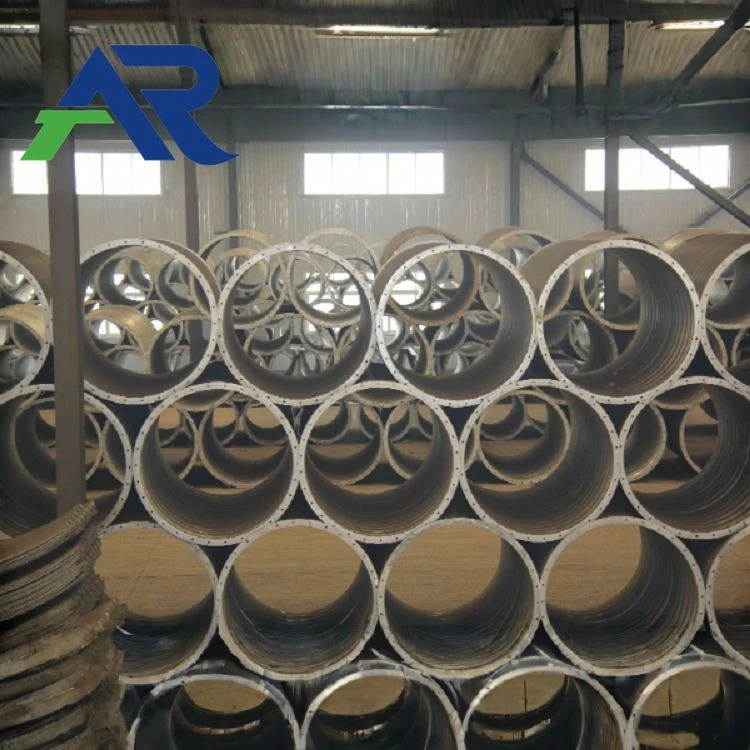
For example, our Steel Corrugated Culvert is a popular choice for subway drainage systems. These pipes are made from galvanized steel and have a unique corrugation design that provides excellent flexibility and strength. They can be bent to a relatively small radius, allowing for easy installation in tight spaces.
Our Wind Tower Foundation Corrugated Outer Tube is another product that offers excellent bending radius capabilities. These pipes are designed for use in wind tower foundations and can also be used in subway construction for cable protection. They are made from high-density polyethylene (HDPE) and have a smooth inner surface that reduces friction and allows for easy cable installation.
In addition, our Steel Urban Underground Integrated Pipeline Corridor is a comprehensive solution for subway utility management. These pipes are made from steel and are designed to accommodate multiple utilities, such as water, gas, and electricity. They can be bent to a specific radius to fit the layout of the subway passage, ensuring efficient and organized utility installation.
Importance of Working with a Reliable Supplier
When it comes to selecting corrugated pipes for subway passages, it is crucial to work with a reliable supplier. A reputable supplier will have the expertise and experience to help you choose the right pipes for your project and ensure that they are installed correctly. They will also provide ongoing support and maintenance to ensure the long-term performance of your subway system.
At our company, we are committed to providing high-quality corrugated pipes and exceptional customer service. Our team of experts is available to answer your questions and provide guidance on the selection and installation of our products. We also offer custom fabrication services to meet the specific requirements of your project.
Contact Us for Your Corrugated Pipe Needs
If you are in need of corrugated pipes for your subway passage project, we invite you to contact us. Our team of experts will be happy to discuss your requirements and provide you with a detailed quote. We look forward to working with you to ensure the success of your subway construction project.
References
- "Corrugated Pipe Handbook," by the American Iron and Steel Institute.
- "Subway Construction Best Practices," by the International Association of Subway Engineers.
- "Pipe Installation Guidelines for Subway Systems," by the National Institute of Standards and Technology.