

Hey there! As a supplier of Communication Tower Buildings, I often get asked whether these structures can be built in residential areas. It's a hot - button topic that involves a whole bunch of factors, from safety and health concerns to community acceptance and legal regulations. So, let's dive right in and explore this issue together.
First off, let's talk about the safety aspects. Communication tower buildings, like Iron Towers, are engineered to meet strict safety standards. These towers are designed to withstand various environmental conditions such as strong winds, earthquakes, and heavy snow. Professional engineers carry out detailed calculations and simulations to ensure the structural integrity of the towers.
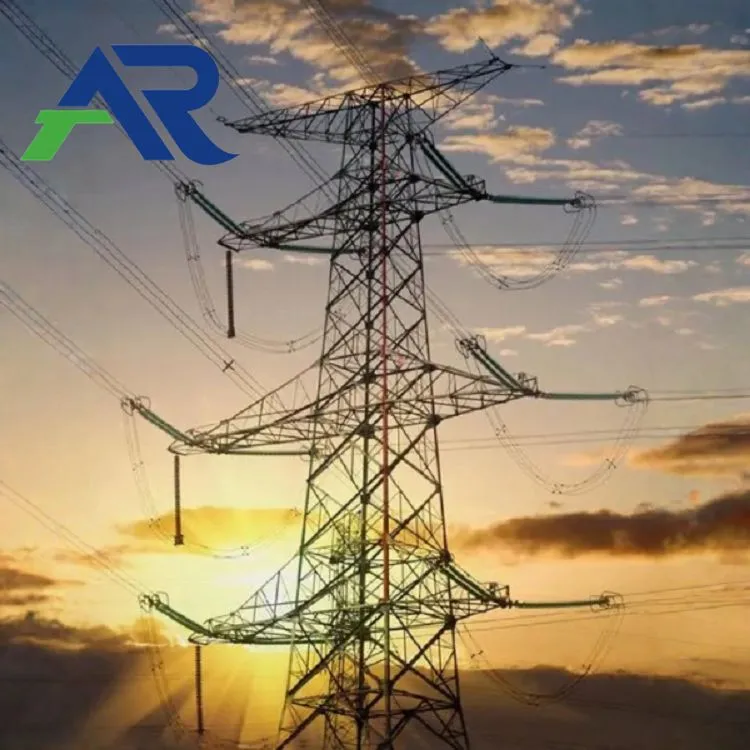
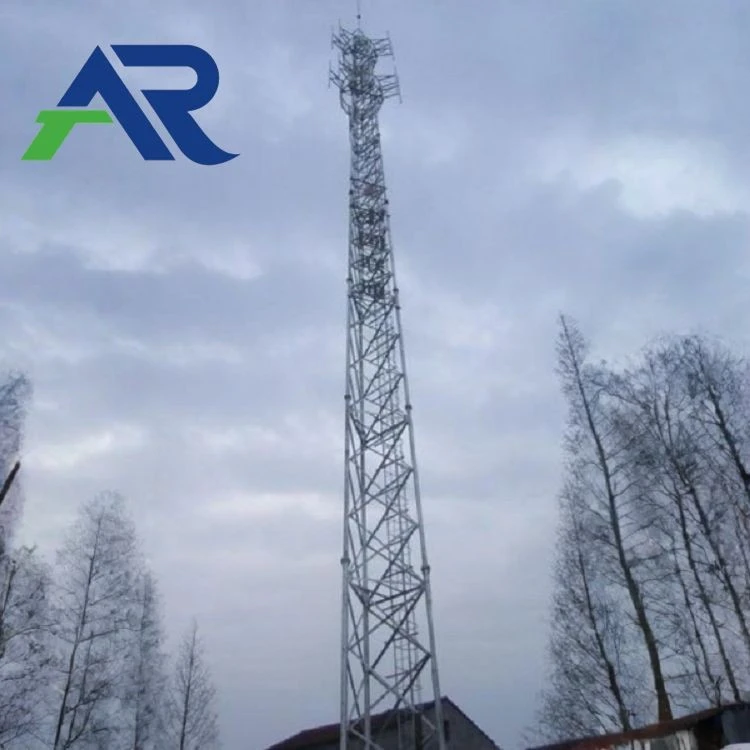
When it comes to electrical safety, Electrical Tower components are carefully installed and insulated. All wiring and electrical equipment are installed according to electrical codes, which reduces the risk of electrical fires and shocks. Additionally, grounding systems are put in place to protect the tower and surrounding areas from lightning strikes.
But what about the health concerns? One of the biggest worries people have is the potential health effects of electromagnetic radiation emitted by communication towers. The truth is, extensive research has been conducted on this topic. Most scientific studies suggest that the levels of electromagnetic radiation from well - designed and properly maintained Communication Tower Building are well within the safety limits set by international standards.
Telecom companies and tower operators are required to conduct regular radiation level measurements. If the levels exceed the safety limits, they must take immediate corrective actions, such as adjusting the antenna settings or installing shielding devices. So, from a scientific perspective, when built and maintained correctly, communication towers in residential areas should not pose a significant health risk.
Now, let's look at the community acceptance part. It's no secret that many residents are opposed to having communication towers built near their homes. The main reasons include concerns about the aesthetic impact of the towers on the neighborhood. Tall and bulky towers can be an eyesore, especially in areas with a high - end or historical architecture.
However, tower designers are constantly coming up with innovative solutions to address these concerns. For example, some towers are designed to blend in with the surrounding environment. They can be painted in colors that match the local landscape or disguised as trees or flagpoles. This way, the visual impact on the community can be minimized.
Another aspect of community acceptance is the potential increase in property values. Some people believe that having a communication tower nearby will decrease the value of their homes. But in reality, there isn't conclusive evidence to support this claim. In some cases, the improved mobile signal coverage provided by the tower can actually be seen as a positive factor, especially in areas where the signal was previously weak.
Legal regulations also play a crucial role in determining whether communication towers can be built in residential areas. Different countries and regions have their own sets of rules and requirements. In many places, there are strict zoning laws that specify where communication towers can be located. Tower operators need to obtain the necessary permits from local authorities before starting construction.
These permits usually involve a public consultation process, where residents have the opportunity to voice their opinions and concerns. The local government will then make a decision based on a variety of factors, including safety, environmental impact, and community feedback.
From an economic perspective, having communication towers in residential areas can bring some benefits. For mobile network operators, it allows them to expand their coverage and improve the quality of service. This, in turn, can lead to more satisfied customers and potentially more business. For the local community, it can attract new businesses and investment, as reliable mobile communication is essential for modern economic activities.
When it comes to the technical side of building communication towers in residential areas, there are some unique challenges. Space is often limited in residential neighborhoods, so tower designers need to be creative in finding suitable locations. They may need to use smaller - sized towers or shared - use towers, where multiple operators can use the same structure.
Also, the installation process needs to be carefully planned to minimize disruption to the residents. Construction noise, traffic congestion, and dust can all be a nuisance to the local community. Tower contractors should work closely with the residents and the local authorities to ensure that the construction process is carried out in a smooth and responsible manner.
In conclusion, while there are certainly challenges and concerns associated with building communication tower buildings in residential areas, it is possible to do so in a safe, responsible, and community - friendly way. With proper design, strict safety measures, and effective communication with the local community, communication towers can coexist harmoniously with residential areas.
If you're interested in purchasing Communication Tower Building for your project, whether it's in a residential area or elsewhere, I'd love to have a chat with you. We have a wide range of high - quality and innovative tower solutions to meet your specific needs. Just reach out to us, and let's start the conversation about how we can work together to build the perfect communication tower for you.
References:
- International Commission on Non - Ionizing Radiation Protection (ICNIRP) Guidelines on Electromagnetic Fields
- Various scientific research papers on the safety and health effects of communication tower radiation
- Local zoning laws and regulations from different regions regarding communication tower construction