

Hey there! As a supplier in the Communication Tower Building business, I've been getting a lot of questions lately about the seismic requirements for these structures. So, I thought I'd take some time to break it all down for you.
First off, why are seismic requirements so important for communication towers? Well, earthquakes can be incredibly powerful and unpredictable. A communication tower that isn't built to withstand seismic activity can easily topple over, causing not only damage to the tower itself but also disruptions to communication services. This can have a huge impact on emergency response efforts, businesses, and everyday life.

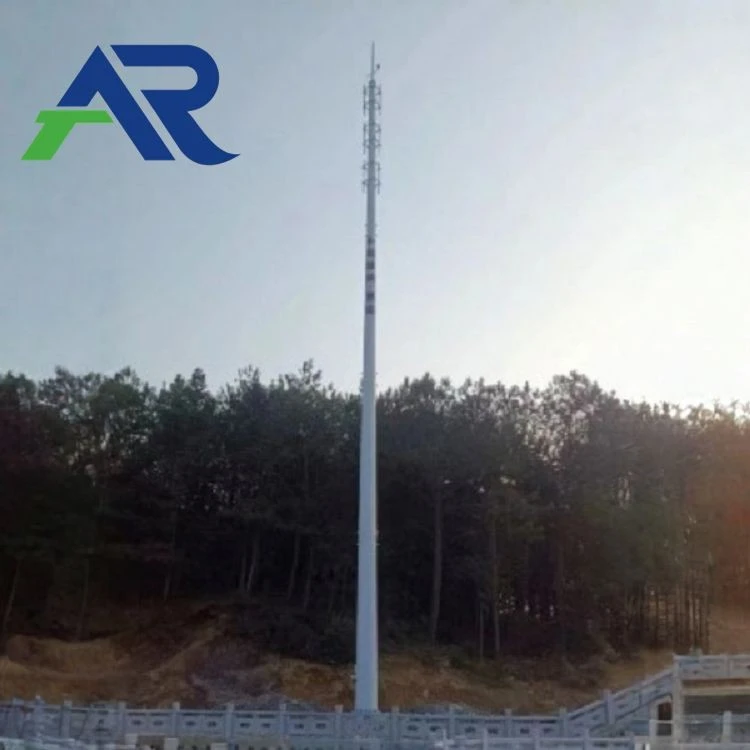
Let's start by talking about the basic factors that influence the seismic requirements for communication towers. One of the most important things is the location of the tower. Different regions have different levels of seismic activity. For example, areas near tectonic plate boundaries are much more likely to experience earthquakes than areas in the middle of a tectonic plate. So, if you're building a tower in a high - risk seismic zone, you're going to need to take extra precautions.
Another factor is the height and design of the tower. Taller towers are generally more vulnerable to seismic forces because they have a larger surface area and a higher center of gravity. The design of the tower, including its shape and the materials used, also plays a crucial role. A well - designed tower can distribute seismic forces more evenly, reducing the risk of damage.
Now, let's get into the specific seismic requirements. One of the key requirements is the ability to resist lateral forces. During an earthquake, the ground shakes horizontally, which creates lateral forces on the tower. The tower needs to be designed to withstand these forces without collapsing. This often involves using strong and flexible materials. For example, steel is a popular choice for communication towers because it has high strength and can bend without breaking under stress.
In addition to lateral forces, the tower also needs to be able to handle vertical forces. Earthquakes can cause the ground to move up and down, which can put a lot of stress on the tower's foundation. A solid foundation is essential for a communication tower. It needs to be deep enough and wide enough to support the weight of the tower and resist the vertical forces generated during an earthquake.
Seismic codes and standards are also a big part of the equation. These codes are developed by experts and are based on scientific research and past earthquake experiences. They specify the minimum requirements for the design, construction, and maintenance of communication towers in seismic areas. For example, the International Building Code (IBC) in the United States has specific provisions for seismic design of structures, including communication towers. When building a tower, it's crucial to comply with these codes to ensure the safety and reliability of the structure.
As a Communication Tower Building supplier, we understand the importance of meeting these seismic requirements. We use the latest technology and engineering techniques to design and build towers that can withstand seismic activity. Our team of experts carefully analyzes the seismic conditions of the location where the tower will be built and then designs a tower that meets or exceeds the local seismic codes.
We offer a wide range of communication towers, including Iron Towers. These iron towers are known for their strength and durability. They are designed to handle the harsh conditions, including seismic forces. Whether you need a small tower for a local area or a large tower for a wide - coverage network, we've got you covered.
Our Communication Tower Building services are top - notch. We take care of everything from the initial design to the final installation. Our experienced construction team follows all the safety protocols and best practices to ensure that the tower is built to the highest standards.
In addition to communication towers, we also supply Electrical Tower For Electricity Transmission. These towers are also subject to seismic requirements, as they need to remain stable during an earthquake to ensure the continuous supply of electricity. We use the same high - quality materials and engineering principles in the design and construction of electrical towers.
If you're in the market for a communication tower or an electrical tower, it's important to choose a supplier who understands the seismic requirements. We've been in the business for years, and we have a proven track record of delivering high - quality towers that can withstand seismic activity.
So, if you're looking for a reliable supplier for your communication or electrical tower needs, don't hesitate to reach out. We're here to answer all your questions and help you find the right tower for your project. Whether you're building a tower in a low - risk or high - risk seismic area, we can design and build a tower that meets your specific requirements.
In conclusion, seismic requirements for communication tower building are essential for ensuring the safety and reliability of these structures. By understanding the factors that influence these requirements and complying with the relevant codes and standards, we can build towers that can withstand the forces of nature. As a supplier, we're committed to providing our customers with the best possible products and services in this regard. So, if you're interested in our products, let's start a conversation about your project and see how we can work together.
References
International Building Code (IBC)
Seismic Design Manuals for Telecommunication Structures