

Hey there! As a supplier of Fiberglass Tower Chimneys, I've got a ton of experience and knowledge about these structures. One of the most crucial aspects that often gets overlooked is the sealing requirements. So, let's dive right in and explore what the sealing requirements for a fiberglass tower chimney are.
Why Sealing Matters
First off, why is sealing so important for a fiberglass tower chimney? Well, a properly sealed chimney can prevent a whole host of issues. For starters, it stops the leakage of harmful gases. Chimneys are designed to carry away exhaust gases from industrial processes or heating systems. If these gases leak out due to poor sealing, they can pose a serious threat to the environment and the health of nearby people.
Secondly, good sealing helps maintain the efficiency of the chimney. When the chimney is well - sealed, the flow of exhaust gases is more controlled. This means that the chimney can work at its optimal level, reducing energy waste and saving costs in the long run.
Sealing Materials
Now, let's talk about the materials used for sealing fiberglass tower chimneys. There are several options available, each with its own set of pros and cons.

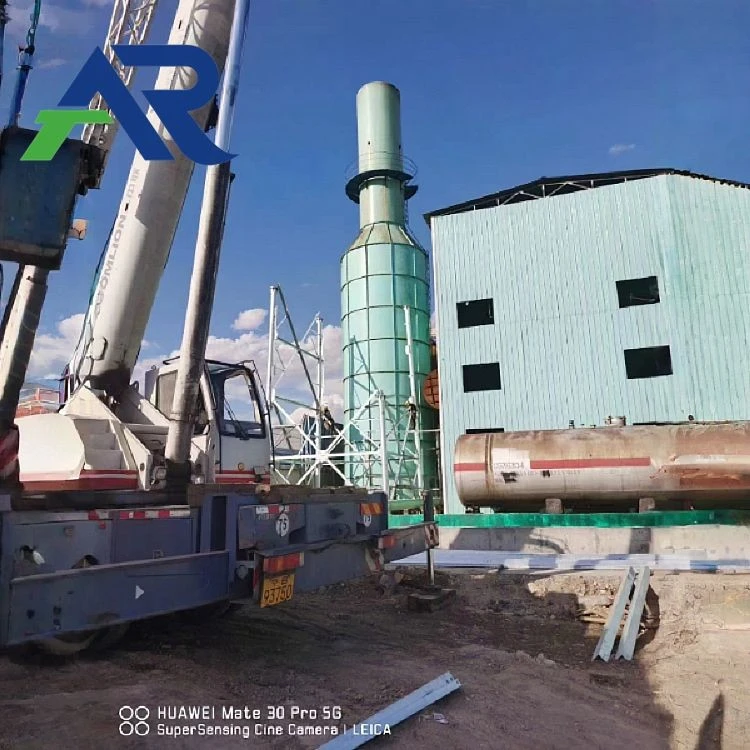
One commonly used material is silicone sealant. Silicone is great because it's flexible, which is important as fiberglass can expand and contract with temperature changes. It also has excellent resistance to heat, chemicals, and weather conditions. This makes it suitable for use in a wide range of environments, whether it's a hot industrial area or a place with high humidity.
Another option is epoxy resin. Epoxy has high adhesive strength, which means it can bond well with the fiberglass surface. It's also very durable and can withstand high pressures. However, it's not as flexible as silicone, so it might crack if there are significant movements in the chimney.
Some suppliers also use rubber gaskets. Rubber gaskets are easy to install and can provide a good seal. They come in different shapes and sizes to fit various chimney designs. But they may degrade over time, especially if exposed to harsh chemicals or extreme temperatures.
Sealing Process
The sealing process for a fiberglass tower chimney is a multi - step procedure.
The first step is surface preparation. The fiberglass surface where the sealant or gasket will be applied must be clean and dry. Any dirt, grease, or debris can prevent proper adhesion. We usually use a mild detergent and water to clean the surface, followed by a thorough rinse and drying.
After the surface is prepared, the next step is to apply the sealant or install the gasket. If using a sealant like silicone, we use a caulking gun to apply a uniform bead along the joint or seam. It's important to apply the sealant evenly to ensure a continuous and effective seal. When installing a rubber gasket, we make sure it fits snugly in place and is properly aligned.
Once the sealant or gasket is in place, we need to allow it to cure. The curing time depends on the type of material used. For silicone sealant, it can take anywhere from a few hours to a couple of days, depending on the temperature and humidity. During this time, we need to make sure that the chimney is not disturbed to avoid breaking the seal.
Joint Sealing
Joints are a critical area in a fiberglass tower chimney that require special attention when it comes to sealing. There are different types of joints in a chimney, such as flanged joints and butt joints.
Flanged joints are common in larger chimneys. To seal a flanged joint, we first clean the flange surfaces. Then, we place a gasket between the flanges. The gasket should be the right size and material for the application. After that, we tighten the bolts evenly to compress the gasket and create a seal. It's important to follow the manufacturer's recommendations for bolt torque to ensure that the seal is neither too loose nor too tight.
Butt joints, on the other hand, are sealed using a combination of sealant and reinforcement. We apply the sealant along the joint and then use fiberglass tape or cloth to reinforce the area. This helps to prevent the joint from separating and leaking.
Inspection and Maintenance
Sealing is not a one - time thing. Regular inspection and maintenance are essential to ensure that the seals remain effective over time.
We recommend inspecting the chimney seals at least once a year. During the inspection, we look for signs of wear, damage, or leakage. If we find any issues, we need to address them immediately. This might involve reapplying sealant, replacing a gasket, or making minor repairs to the fiberglass surface.
In addition to annual inspections, it's also a good idea to perform visual checks after any major events, such as a severe storm or an earthquake. These events can cause stress on the chimney and potentially damage the seals.
Comparison with Other Chimney Types
It's interesting to compare the sealing requirements of fiberglass tower chimneys with other types of chimneys, like the Titanium Steel Composite Plate Tower Chimney.
Titanium steel composite plate chimneys are more rigid compared to fiberglass chimneys. This means that the sealing materials used for them might be different. For example, they can often use more rigid sealants or gaskets because the steel doesn't expand and contract as much as fiberglass. However, the surface preparation for steel is different from fiberglass. Steel needs to be protected from rust, so a primer is usually applied before sealing.
On the other hand, Fiberglass Tower Chimney offers advantages in terms of weight and corrosion resistance. The sealing requirements for fiberglass focus more on flexibility and adhesion to the fiberglass surface.
Conclusion
In conclusion, the sealing requirements for a fiberglass tower chimney are complex but crucial. From choosing the right materials to following the proper sealing process, every step plays a vital role in ensuring the safety, efficiency, and longevity of the chimney.
If you're in the market for a Fiberglass Tower Chimney, or if you have any questions about the sealing requirements or other aspects of these chimneys, don't hesitate to reach out. We're here to help you make the best choice for your needs and ensure that your chimney is properly sealed and maintained.
References
- "Industrial Chimney Design and Construction" - A comprehensive guide on chimney engineering.
- Manufacturer's manuals for fiberglass and sealing materials.