

As a lighting pole supplier, I understand the paramount importance of safety when it comes to these essential infrastructure components. Lighting poles are not just simple structures that hold up lights; they play a crucial role in ensuring public safety, traffic flow, and overall urban functionality. In this blog post, I will delve into the safety requirements for lighting poles, covering various aspects from design and installation to maintenance and compliance.
Design Safety Requirements
The design of lighting poles is the first line of defense in ensuring their safety. A well - designed lighting pole should be able to withstand various environmental factors and loads.
Structural Integrity
Lighting poles must be designed to support the weight of the lighting fixtures, as well as any additional equipment such as cameras or sensors that may be attached. They should be able to resist wind, snow, and seismic forces. Engineers use advanced software and mathematical models to calculate the stresses and strains on the poles under different conditions. For example, in areas prone to high winds, poles are designed with a larger base diameter and thicker walls to provide more stability. The shape of the pole also matters; tapered poles are often preferred as they can better distribute the wind load from the top to the base.
Material Selection
The choice of materials is critical for the safety of lighting poles. Common materials include steel, aluminum, and fiberglass. Steel poles are strong and durable, but they need to be properly coated to prevent corrosion. Galvanization is a popular method of protecting steel poles from rust. Aluminum poles are lightweight and resistant to corrosion, making them suitable for coastal areas. Fiberglass poles are non - conductive, which is an advantage in areas where there is a risk of electrical interference or lightning strikes.
Electrical Safety in Design
If the lighting poles are part of an electrical system, proper electrical design is essential. This includes ensuring that the wiring is well - insulated and protected from the elements. The poles should have appropriate grounding systems to prevent electrical shocks in case of a fault. Additionally, the design should allow for easy access to electrical components for maintenance and repairs.
Installation Safety Requirements
Even the best - designed lighting poles can pose a safety risk if they are not installed correctly.
Site Assessment
Before installation, a thorough site assessment should be conducted. This includes checking the soil conditions, the proximity to other structures, and the potential for interference with underground utilities. For example, if the soil is soft or unstable, additional foundation work may be required to ensure the stability of the pole. The site should also be clear of any obstacles that could impede the installation process or pose a hazard during the operation of the pole.
Proper Installation Techniques
The installation of lighting poles should follow the manufacturer's guidelines and local building codes. This includes using the correct equipment and methods for digging the foundation, setting the pole in place, and securing it. The foundation should be of the appropriate size and depth to support the pole. The pole should be leveled and plumbed during installation to ensure its proper alignment.
Safety Precautions for Installers
Installers should be trained in safety procedures and provided with the necessary personal protective equipment (PPE). This includes hard hats, safety glasses, gloves, and harnesses if working at height. Safety barriers should be set up around the installation site to prevent unauthorized access and protect pedestrians and vehicles.
Maintenance Safety Requirements
Regular maintenance is crucial for the continued safety of lighting poles.
Inspection Schedules
Lighting poles should be inspected on a regular basis. This can include visual inspections for signs of damage, such as cracks, corrosion, or loose connections. More in - depth inspections may be required periodically, especially for poles in high - stress environments or those that are part of critical infrastructure. For example, poles near highways or in areas with heavy traffic may need to be inspected more frequently.
Repair and Replacement
Any damaged or worn - out components of the lighting poles should be repaired or replaced promptly. This includes fixing cracks in the pole, replacing corroded parts, and tightening loose connections. If a pole is severely damaged or has reached the end of its service life, it should be replaced. It is important to use high - quality replacement parts to ensure the continued safety of the pole.
Maintenance of Electrical Systems
For poles with electrical components, regular maintenance of the electrical system is essential. This includes checking the bulbs, wiring, and control systems. Faulty electrical components should be replaced immediately to prevent electrical fires or other hazards.
Compliance with Standards and Regulations
Lighting poles must comply with various national and international standards and regulations.
National and Local Codes
In most countries, there are building codes and regulations that specify the safety requirements for lighting poles. These codes cover aspects such as design, installation, and maintenance. It is the responsibility of the lighting pole supplier and the installer to ensure that the poles meet these requirements. For example, in the United States, the National Electrical Code (NEC) provides guidelines for the electrical safety of lighting poles.
Industry Standards
There are also industry - specific standards that lighting poles should adhere to. These standards are developed by organizations such as the International Electrotechnical Commission (IEC) and the American Society for Testing and Materials (ASTM). Compliance with these standards ensures that the poles are of high quality and meet the safety expectations of the industry.
Different Types of Lighting Poles and Their Safety Considerations
Smart Light Pole
Smart light poles are equipped with advanced technologies such as sensors, cameras, and communication devices. In addition to the general safety requirements, these poles need to ensure the security of the data they collect and transmit. The electrical components associated with these smart features should be properly protected to prevent malfunctions.
Municipal Light Pole
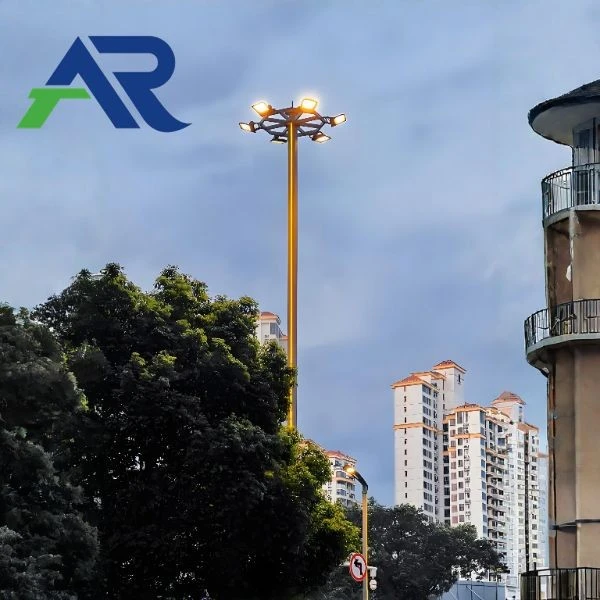
Municipal light poles are used in public areas such as streets, parks, and sidewalks. They need to be designed and maintained to ensure the safety of pedestrians and vehicles. This includes proper lighting levels to improve visibility at night and the prevention of any structural failures that could cause injury.
Traffic Signal Pole Types
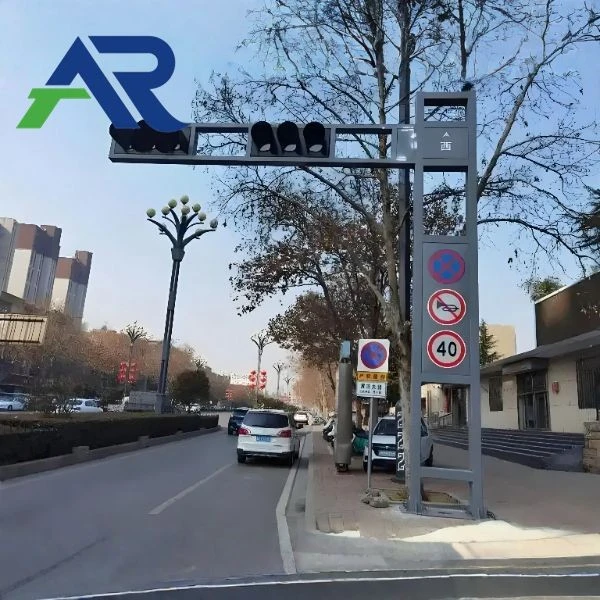
Traffic signal poles are critical for traffic control. They need to be highly visible and stable. The lighting and signal equipment on these poles should be regularly maintained to ensure that traffic signals are working correctly. Any damage to these poles can have a significant impact on traffic safety.
Conclusion
In conclusion, the safety requirements for lighting poles are multifaceted and cover every stage from design to maintenance. As a lighting pole supplier, I am committed to providing high - quality poles that meet all the necessary safety standards. By ensuring proper design, installation, and maintenance, we can contribute to a safer urban environment.
If you are in the market for lighting poles and want to ensure that you are getting a product that meets the highest safety standards, I encourage you to contact us for a procurement discussion. We have a wide range of lighting poles to suit different needs and can provide you with detailed information on their safety features.
References
- International Electrotechnical Commission (IEC) Standards
- American Society for Testing and Materials (ASTM) Standards
- National Electrical Code (NEC)