
As a supplier of Single Sleeve Chimneys, I've had the privilege of working closely with various industries and clients. Through these experiences, I've gained in - depth insights into the common problems associated with single sleeve chimneys. In this blog, I'll share these insights to help you better understand and address the issues that may arise with these types of chimneys.
1. Poor Insulation
One of the most prevalent problems with single sleeve chimneys is their relatively poor insulation properties. Unlike Multi - sleeve Chimney, which often have multiple layers designed to provide better thermal insulation, single sleeve chimneys consist of only one layer. This lack of insulation can lead to several consequences.
Firstly, heat loss is a significant issue. When hot gases pass through the chimney, a large amount of heat is transferred to the surrounding environment instead of being effectively vented out. This not only reduces the energy efficiency of the heating system connected to the chimney but also increases the overall energy consumption. For industrial facilities, this can translate into substantial cost increases over time.
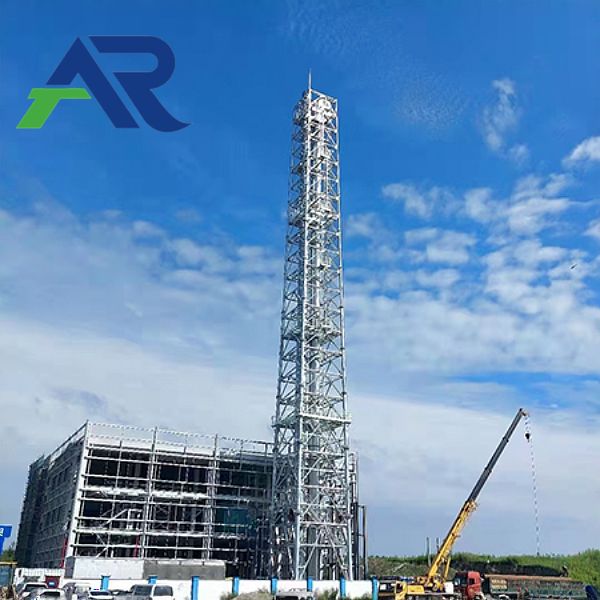
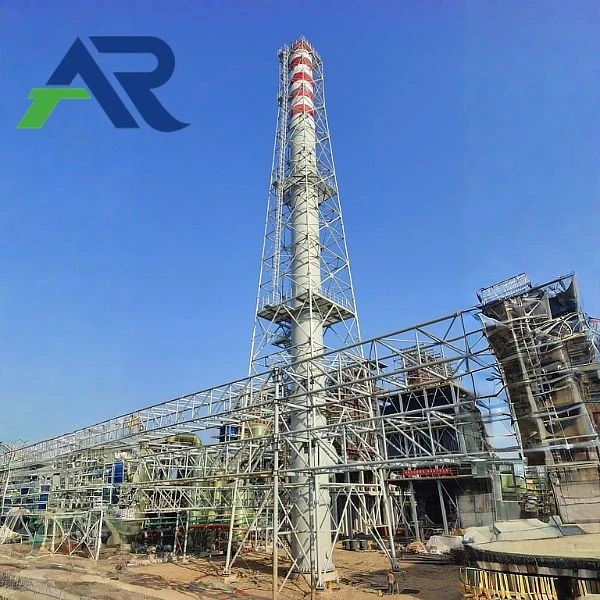
Secondly, the lack of insulation can cause condensation problems. As the hot flue gases come into contact with the relatively cool inner surface of the single - sleeve chimney, the water vapor in the gases can condense. This condensation can lead to corrosion of the chimney walls. Over time, the corrosion can weaken the structure of the chimney, reducing its lifespan and potentially posing safety risks.
2. Limited Resistance to Corrosion
Single sleeve chimneys, especially those made of certain materials, are often more prone to corrosion compared to Stainless Steel Factory Chimney. The flue gases produced by many industrial processes contain acidic components such as sulfur dioxide and nitrogen oxides. When these gases come into contact with the chimney walls, they can react with moisture to form acids.
If the single sleeve chimney is made of materials that are not highly resistant to these acids, such as some types of mild steel, corrosion can occur rapidly. Corrosion not only damages the chimney's appearance but also compromises its structural integrity. As the chimney walls thin due to corrosion, there is an increased risk of leaks, which can release harmful flue gases into the surrounding environment.
3. Structural Instability
Another common problem is the potential for structural instability. Single sleeve chimneys are generally simpler in design compared to multi - sleeve or more complex chimney systems. They may not be as well - supported or braced, especially in areas with high winds or seismic activity.
In windy conditions, the lack of proper bracing can cause the chimney to sway. Excessive swaying can put stress on the chimney joints and connections, leading to loosening or even separation. This can create gaps through which flue gases can escape, endangering the safety of the building and its occupants.
In seismic zones, the single - sleeve design may not be able to withstand the ground movements as effectively as more robust chimney designs. Earthquakes can cause the chimney to crack or topple, which is extremely dangerous and can result in significant property damage and potential injury.
4. Inadequate Ventilation
Single sleeve chimneys may also suffer from inadequate ventilation. The single - layer design may not provide sufficient space for the smooth flow of flue gases. This can lead to a buildup of pressure inside the chimney, which can cause the flue gases to back up into the building.
In some cases, the lack of proper ventilation can also result in incomplete combustion of the fuel in the heating system. When the flue gases cannot be effectively vented out, the oxygen supply to the combustion chamber may be restricted. This can lead to the production of carbon monoxide, a colorless and odorless gas that is extremely toxic. Inadequate ventilation is a serious safety concern that needs to be addressed promptly.
5. Difficulty in Maintenance
Maintenance of single sleeve chimneys can be more challenging compared to other types of chimneys. Due to their single - layer design, accessing the inner surface for inspection and cleaning can be more difficult. For example, if there is a blockage or buildup of soot and debris inside the chimney, it may be harder to reach and remove.
Moreover, when repairs are needed, the single - sleeve structure may not provide as much flexibility. If a section of the chimney is damaged, it may be more difficult to isolate and repair without affecting the entire structure. This can lead to longer downtime for the chimney and increased maintenance costs.
Addressing the Problems
Despite these common problems, there are ways to mitigate the issues associated with single sleeve chimneys. For poor insulation, additional insulation can be added to the outside of the chimney. This can help reduce heat loss and prevent condensation.
To improve corrosion resistance, coatings or liners can be applied to the inner surface of the chimney. These coatings can act as a barrier between the flue gases and the chimney walls, protecting them from corrosion.
For structural instability, proper bracing and support systems can be installed. Engineers can design and install braces that are suitable for the local environmental conditions, such as high - wind or seismic - resistant braces.
To enhance ventilation, the chimney design can be optimized. This may involve increasing the diameter of the chimney or adding ventilation dampers to control the flow of flue gases.
In terms of maintenance, regular inspections and cleaning should be carried out. Using specialized equipment and techniques, maintenance crews can access the inner parts of the chimney more easily and carry out necessary repairs and cleaning.
Conclusion
As a supplier of Single Sleeve Chimneys, I understand that while single sleeve chimneys have their limitations, they also have their advantages, such as simplicity and lower initial cost. By being aware of the common problems and taking appropriate measures to address them, you can ensure the safe and efficient operation of your single sleeve chimney.
If you are considering purchasing a single sleeve chimney or need help with the maintenance and improvement of your existing chimney, I encourage you to contact us. Our team of experts can provide you with professional advice and solutions tailored to your specific needs. Let's work together to find the best chimney solution for your project.
References
- Smith, J. (2018). "Chimney Design and Maintenance". Industrial Chimney Journal, 15(2), 34 - 45.
- Johnson, A. (2019). "Corrosion in Industrial Chimneys". Materials and Corrosion Review, 22(3), 56 - 67.
- Brown, R. (2020). "Structural Considerations for Chimneys in Seismic Zones". Seismic Engineering Magazine, 28(4), 78 - 89.