

Hey there! As a supplier of Municipal Light Pole, I've got a ton of knowledge about the regulations that govern these essential city fixtures. So, let's dive right in and explore what you need to know about the rules for municipal light poles.
1. Safety Regulations
Safety is the number one concern when it comes to municipal light poles. These poles are often located in public areas, so they need to be built and maintained to prevent any harm to people or property.
Structural Integrity
First off, the poles must be able to withstand various environmental conditions. This means they need to be designed to handle strong winds, heavy snow, and even seismic activity in some regions. Engineers use complex calculations to determine the right materials and dimensions for the poles. For example, in areas prone to high winds, poles might need to be thicker and more firmly anchored to the ground.
The materials used in manufacturing these poles also play a crucial role. Most municipal light poles are made of steel, aluminum, or concrete. Steel poles are known for their strength and durability, but they need to be properly coated to prevent rust. Aluminum poles are lightweight and resistant to corrosion, making them a popular choice in coastal areas. Concrete poles are heavy and can provide excellent stability, but they require careful installation.
Electrical Safety
Since these poles are connected to the electrical grid, electrical safety is a major part of the regulations. All wiring inside the poles must be properly insulated to prevent electrical shocks. There are also strict rules about grounding the poles to protect against lightning strikes.
Regular inspections are carried out to ensure that the electrical components, such as the bulbs, ballasts, and wiring, are in good working condition. Faulty electrical equipment can not only pose a safety hazard but also lead to power outages.
2. Aesthetic and Zoning Regulations
Municipal light poles aren't just about functionality; they also contribute to the overall look of a city or town. That's why there are often aesthetic and zoning regulations in place.
Design and Appearance
Cities usually have specific guidelines regarding the design of light poles. They might want the poles to blend in with the surrounding architecture or have a certain style that reflects the local culture. For example, in a historic district, the light poles might be designed to look like the ones from a bygone era.
The color of the poles is also regulated. In most cases, they are painted in neutral colors like black, white, or silver to avoid being too obtrusive. However, in some areas, bright colors might be used to create a more vibrant atmosphere.
Zoning Requirements
Zoning regulations determine where light poles can be placed. They need to be located in areas where they won't interfere with traffic, pedestrians, or other infrastructure. For example, poles can't be placed too close to intersections or fire hydrants.
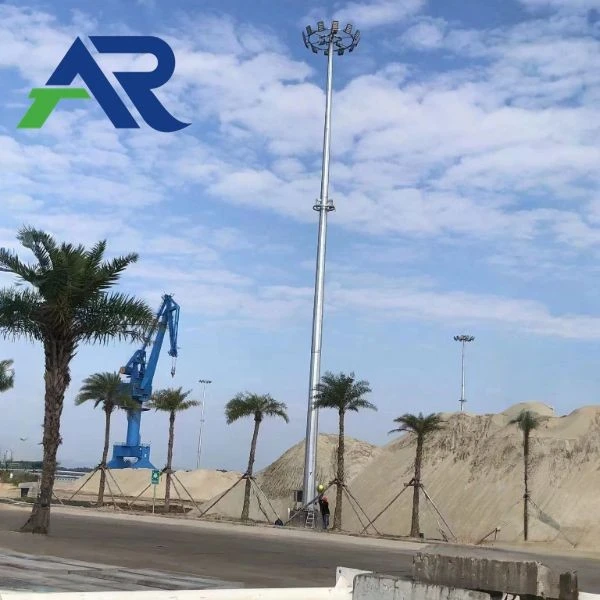
There are also rules about the height of the poles. In residential areas, shorter poles might be preferred to avoid excessive light pollution. In commercial areas, taller poles might be used to provide better illumination over larger areas.
3. Environmental Regulations
In today's world, environmental concerns are at the forefront of many regulations. Municipal light poles are no exception.
Energy Efficiency
There is a growing push towards energy-efficient lighting solutions. Many cities now require that the light fixtures on the poles use LED technology. LEDs are much more energy-efficient than traditional incandescent or fluorescent bulbs, which means they can significantly reduce energy consumption and lower electricity bills.
In addition to using energy-efficient bulbs, some light poles are equipped with smart controls. These controls can adjust the brightness of the lights based on the time of day, the amount of natural light, or the presence of pedestrians and vehicles. This further helps to save energy.
Recycling and Disposal
When it comes to the end of a light pole's life, there are regulations about how it should be recycled or disposed of. Steel and aluminum poles can often be recycled, which helps to conserve natural resources. Concrete poles might need to be crushed and used as aggregate in other construction projects.
4. Traffic and Visibility Regulations
Municipal light poles also play an important role in traffic safety. That's why there are specific regulations related to traffic and visibility.
Lighting Levels
The amount of light provided by the poles is carefully regulated to ensure proper visibility for drivers and pedestrians. Different areas, such as roads, sidewalks, and parking lots, have different lighting requirements. For example, major roads need higher levels of illumination to allow drivers to see clearly at night.
The distribution of light is also important. The light should be evenly spread to avoid creating dark spots or glare. Glare can be a major problem for drivers, as it can reduce their visibility and increase the risk of accidents.
Signage and Markings
Some light poles are used to support traffic signs and other markings. There are regulations about the size, placement, and visibility of these signs. The signs need to be clearly visible from a distance and should not be obstructed by the light pole or other objects.
5. Maintenance and Inspection Regulations
Regular maintenance and inspection are essential to keep municipal light poles in good working condition.
Inspection Schedules
Cities usually have a set schedule for inspecting light poles. These inspections can be carried out annually, semi - annually, or even more frequently in high - risk areas. During the inspections, workers check for any signs of damage, such as cracks, rust, or loose fittings.
Maintenance Requirements
If any problems are found during the inspection, they need to be repaired immediately. This might involve replacing a damaged bulb, fixing a loose wire, or even replacing the entire pole in severe cases.
Proper maintenance records are also kept to track the history of each pole. This helps to ensure that all maintenance tasks are carried out on time and that any recurring problems can be addressed.
Why Choose Us as Your Supplier?
As a leading supplier of Municipal Light Pole, we understand all these regulations inside out. We make sure that all our products meet or exceed the local and national standards.
We offer a wide range of light poles, including Traffic Signal Pole Types and Smart Light Pole. Our team of experts can help you choose the right poles for your specific needs, whether it's for a small residential street or a large commercial area.
If you're in the market for high - quality municipal light poles and want to ensure compliance with all the regulations, don't hesitate to get in touch with us. We're here to assist you with your procurement process and make sure you get the best products at the best prices.
References
- Local municipal codes and regulations
- National electrical safety standards
- Industry best practices for light pole manufacturing and installation