
Hey there! As an iron tower supplier, I often get asked about how we test the quality of our iron towers. Well, let me tell you, it's a pretty comprehensive process that involves a bunch of different steps to make sure we're delivering top - notch products to our customers.
First off, let's talk about the raw materials. Before we even start building an iron tower, we need to ensure that the steel we're using is of high quality. We source our steel from trusted suppliers, and when it arrives at our facility, we conduct a series of tests. One of the most common tests is the chemical composition analysis. We take samples of the steel and use advanced equipment to determine the exact amounts of elements like carbon, manganese, sulfur, and phosphorus. Each of these elements plays a crucial role in the steel's properties. For example, carbon affects the steel's strength and hardness. If the carbon content is too high, the steel can become brittle; if it's too low, the strength might not be sufficient.
We also perform a tensile test on the steel. This test involves pulling a sample of the steel until it breaks. By measuring the force required to break the sample and the amount it stretches before breaking, we can determine the steel's yield strength, ultimate tensile strength, and elongation. These values are super important as they give us an idea of how well the steel will perform under stress in real - world applications.
Once we're satisfied with the quality of the raw materials, it's time to start the manufacturing process. During the fabrication of the iron tower, we have quality control checks at every stage. For instance, when the steel is being cut and shaped, we use precision measuring tools to ensure that all the components are the right size and shape. Any deviation from the design specifications can lead to problems later on, so we're really strict about this.
Welding is another critical part of the manufacturing process. A good weld is essential for the structural integrity of the iron tower. We use certified welders who are highly skilled in their craft. After welding, we conduct non - destructive testing (NDT) on the welds. One common NDT method is ultrasonic testing. This involves sending high - frequency sound waves into the weld. If there are any internal defects like cracks or porosity, the sound waves will bounce back differently, and we can detect these issues. Another NDT method we use is magnetic particle testing, which is great for detecting surface and near - surface defects in ferromagnetic materials like steel.
When the iron tower is almost assembled, we perform a visual inspection. This might sound simple, but it's actually a very important step. We look for any signs of damage, such as scratches, dents, or rust spots. Even a small scratch can potentially lead to corrosion over time, which can weaken the tower. We also check the alignment of all the components to make sure everything is in place as per the design.
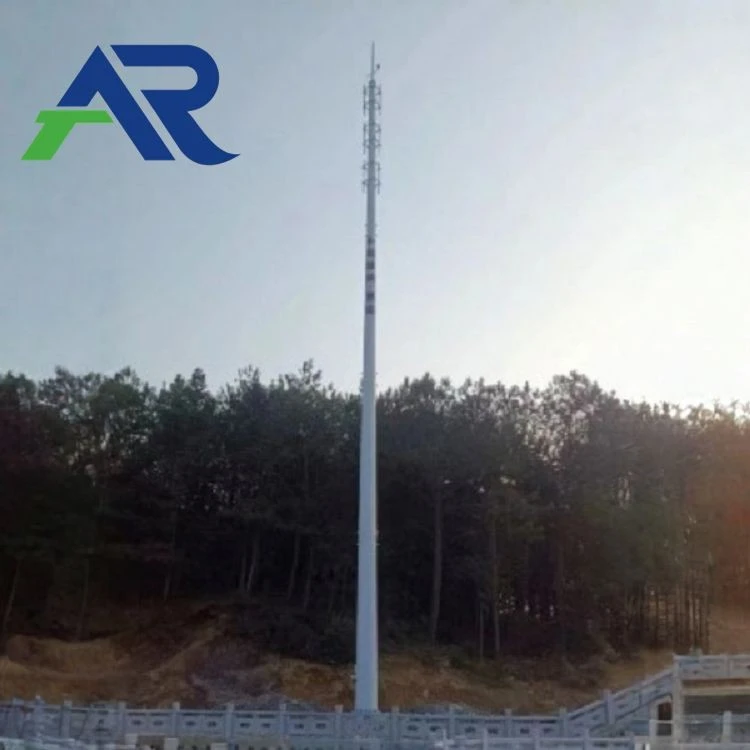
Now, let's talk about the different types of iron towers we supply. We have Communication Tower Building, which are used for telecommunication purposes. These towers need to be extremely stable and able to withstand various environmental conditions, such as wind, rain, and even earthquakes in some regions. To test their stability, we use computer - aided design (CAD) software to simulate different loads and forces on the tower. We also conduct full - scale load testing in some cases. This involves applying actual loads to the tower to see how it responds.
Our Industrial Iron Towers are used in industrial settings, like factories and refineries. These towers often have to support heavy equipment and machinery. So, in addition to the standard tests, we also test the tower's ability to handle dynamic loads. For example, if there are vibrating machines on the tower, we need to make sure that the tower won't resonate with the vibrations, which could cause structural failure.
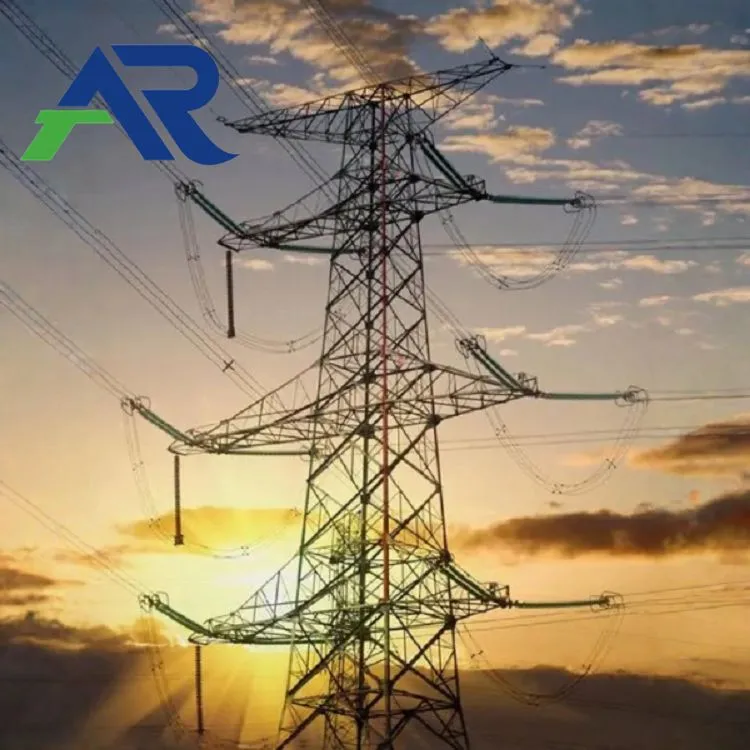
Then there are Electrical Tower, which are used to support power lines. These towers need to be electrically insulated and grounded properly. We test the electrical conductivity and insulation resistance of the tower to ensure that it meets all the safety standards. We also check the grounding system to make sure that in case of a lightning strike or electrical fault, the electricity can be safely dissipated into the ground.
After all these tests are completed, and the iron tower passes with flying colors, we still don't stop there. We provide detailed documentation about the testing results to our customers. This includes information about the raw materials, the manufacturing process, and all the test results. This way, our customers can have full confidence in the quality of the iron tower they're purchasing.
If you're in the market for high - quality iron towers, whether it's for communication, industrial, or electrical purposes, we're here to help. We've got the expertise and the experience to provide you with towers that meet your specific needs. Just reach out to us, and we can start a conversation about your requirements. We're always happy to work with our customers to ensure they get the best possible product at a competitive price.
In conclusion, testing the quality of iron towers is a multi - step process that starts from the raw materials and continues all the way through to the final product. By conducting these rigorous tests, we can ensure that our iron towers are safe, reliable, and built to last. So, if you're looking for a trusted iron tower supplier, give us a shout, and let's get started on your project.
References
- ASME Boiler and Pressure Vessel Code
- ASTM International Standards for Steel Testing
- IEEE Standards for Electrical Tower Design and Testing