

Tower chimneys are crucial components in various industrial settings, playing a vital role in the safe emission of exhaust gases and maintaining the proper functioning of industrial processes. As a tower chimney supplier, I understand the significance of regular inspections to ensure the longevity, safety, and efficiency of these structures. In this blog post, I will delve into the inspection frequencies for tower chimneys, exploring the factors that influence them and providing guidelines for establishing an effective inspection schedule.
Factors Influencing Inspection Frequencies
Several factors come into play when determining the appropriate inspection frequencies for tower chimneys. These factors can vary depending on the type of chimney, its operating conditions, and the regulatory requirements in place. Here are some of the key factors to consider:
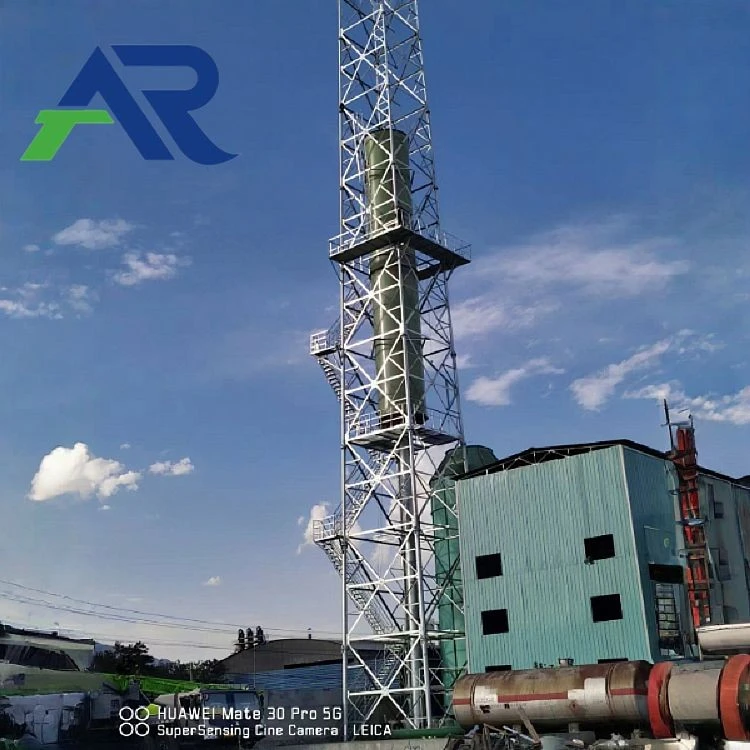
- Chimney Material: Different chimney materials have varying levels of durability and resistance to corrosion and wear. For example, Fiberglass Tower Chimney is known for its excellent corrosion resistance and lightweight properties, while Titanium Steel Composite Plate Tower Chimney offers high strength and resistance to harsh environments. The material of the chimney can affect its lifespan and the frequency of inspections required to detect any signs of deterioration.
- Operating Conditions: The operating conditions of the chimney, such as the temperature, pressure, and chemical composition of the exhaust gases, can have a significant impact on its structural integrity. Chimneys that operate under extreme conditions, such as high temperatures or corrosive environments, may require more frequent inspections to ensure that they are not being damaged by the harsh operating conditions.
- Age of the Chimney: As a chimney ages, it is more likely to develop signs of wear and tear, such as cracks, corrosion, or structural damage. Older chimneys may require more frequent inspections to detect any potential issues before they become major problems.
- Regulatory Requirements: Depending on the location and the type of industry, there may be specific regulatory requirements regarding the inspection frequencies for tower chimneys. These requirements are typically designed to ensure the safety of the chimney and the surrounding environment. It is important to stay up-to-date with the relevant regulations and ensure that your chimney inspections comply with them.
General Inspection Frequencies
Based on the factors mentioned above, here are some general guidelines for the inspection frequencies of tower chimneys:
- Initial Inspection: Before a new chimney is put into service, it should undergo a thorough initial inspection to ensure that it has been installed correctly and that it meets all the relevant safety standards. This initial inspection should be conducted by a qualified professional and should include a visual inspection, a structural analysis, and any necessary testing.
- Annual Inspections: For most tower chimneys, an annual inspection is recommended to detect any signs of wear and tear, corrosion, or structural damage. During an annual inspection, a qualified inspector will conduct a visual inspection of the chimney, looking for any signs of cracks, leaks, or other abnormalities. They may also perform non-destructive testing, such as ultrasonic testing or magnetic particle testing, to detect any internal defects that may not be visible to the naked eye.
- Periodic Inspections: In addition to annual inspections, some chimneys may require periodic inspections at more frequent intervals. For example, chimneys that operate under extreme conditions or that are made of materials that are more susceptible to corrosion may require inspections every six months or even more frequently. The specific frequency of these periodic inspections will depend on the factors mentioned above and should be determined based on a risk assessment conducted by a qualified professional.
- Post-Event Inspections: In the event of a significant event, such as an earthquake, a fire, or a severe storm, it is important to conduct a post-event inspection of the chimney to ensure that it has not been damaged. Even if the chimney appears to be undamaged after the event, it is still recommended to have it inspected by a qualified professional to rule out any hidden damage.
Importance of Regular Inspections
Regular inspections of tower chimneys are essential for several reasons:
- Safety: The primary reason for conducting regular inspections is to ensure the safety of the chimney and the surrounding environment. By detecting any signs of wear and tear, corrosion, or structural damage early on, it is possible to take corrective action before the problem becomes a major safety hazard.
- Compliance: As mentioned earlier, there may be specific regulatory requirements regarding the inspection frequencies for tower chimneys. By conducting regular inspections and keeping accurate records of them, you can ensure that your chimney complies with all the relevant regulations and avoid any potential fines or penalties.
- Cost Savings: Regular inspections can help to identify any potential problems early on, allowing you to take corrective action before the problem becomes more severe and costly to repair. By investing in regular inspections, you can save money in the long run by avoiding major repairs or even the replacement of the chimney.
- Operational Efficiency: A well-maintained chimney is more likely to operate efficiently, reducing energy consumption and improving the overall performance of the industrial process. By conducting regular inspections and addressing any issues promptly, you can ensure that your chimney is operating at its optimal level.
Conclusion
As a tower chimney supplier, I believe that regular inspections are essential for the safety, longevity, and efficiency of tower chimneys. The inspection frequencies for tower chimneys can vary depending on several factors, including the chimney material, operating conditions, age of the chimney, and regulatory requirements. By following the general guidelines outlined in this blog post and working with a qualified professional, you can establish an effective inspection schedule for your tower chimney and ensure that it is operating safely and efficiently.
If you are in the market for a new tower chimney or need assistance with chimney inspections, please do not hesitate to contact us. We have a team of experienced professionals who can provide you with expert advice and guidance on all aspects of tower chimney installation, maintenance, and inspection. Let's work together to ensure the safety and efficiency of your industrial operations.

References
- American Society of Mechanical Engineers (ASME). Boiler and Pressure Vessel Code.
- National Fire Protection Association (NFPA). NFPA 211: Standard for Chimneys, Fireplaces, Vents, and Solid Fuel-Burning Appliances.
- Occupational Safety and Health Administration (OSHA). 29 CFR 1910: Occupational Safety and Health Standards.