

Can iron towers be used for observation? This is a question that often arises when considering the multiple functions of these towering structures. As an iron tower supplier, I have had in - depth discussions with many clients regarding the diverse applications of iron towers, and the idea of using them for observation is both intriguing and worthy of exploration.
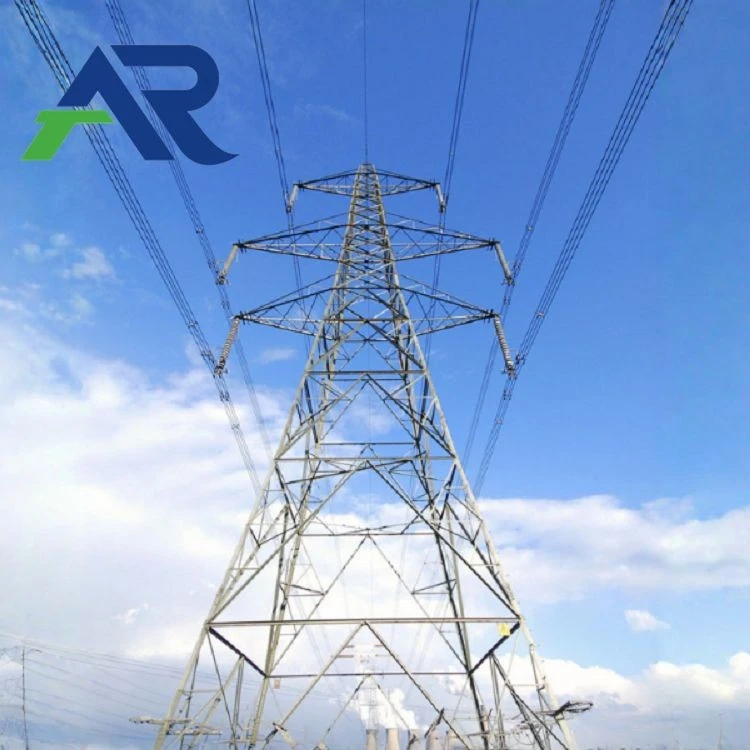

Types of Iron Towers and Their Primary Functions
First, let's briefly introduce the common types of iron towers and their main purposes. There are Electrical Tower For Electricity Transmission, which are designed to support high - voltage power lines, enabling the efficient transfer of electricity over long distances. These towers are engineered to withstand various environmental conditions, including strong winds, heavy snow, and extreme temperatures, to ensure the uninterrupted supply of power.
Another type is the Communication Tower Building. These towers are crucial for modern communication systems. They are equipped with antennas and other communication equipment to transmit and receive signals for mobile phones, radio, and television. Their height and strategic placement are carefully planned to provide wide - area coverage and reliable communication services.
Electric Power Tower is also an important category. Similar to electrical transmission towers, they play a vital role in the power grid, supporting power lines at different voltage levels and ensuring the stability of the power supply.
Feasibility of Using Iron Towers for Observation
Structural Considerations
From a structural perspective, many iron towers have the potential to be used for observation. They are typically built to be extremely sturdy and can bear significant loads. For example, large - scale electrical transmission towers are designed to support the weight of heavy power lines and withstand strong external forces. This inherent strength means that, with proper modification, they could potentially accommodate a small observation platform.
However, it is important to note that any modification to an existing iron tower for observation purposes must be carried out in strict accordance with engineering standards. Structural engineers need to conduct a comprehensive assessment of the tower's load - bearing capacity to ensure that adding an observation platform and the associated weight of visitors will not compromise the tower's safety.
Location and Visibility
The location of an iron tower is another key factor. Many iron towers are strategically placed in elevated or open areas, which offer excellent visibility. For instance, communication towers are often erected on hilltops or other high - altitude locations to maximize signal coverage. These locations also provide a panoramic view of the surrounding area, making them ideal for observation.
In addition, some iron towers are located in scenic areas, such as near mountains, forests, or bodies of water. Using these towers for observation can allow people to enjoy the natural beauty from a unique vantage point. However, it is necessary to ensure that the tower's location does not interfere with wildlife habitats or other environmental sensitivities.
Safety and Regulatory Issues
Safety is of utmost importance when considering using iron towers for observation. There are several safety aspects to be addressed. Firstly, proper access to the observation platform needs to be provided. This may involve installing safe stairways, ladders, or elevators. Secondly, safety barriers and handrails must be installed around the observation platform to prevent falls.
From a regulatory perspective, using iron towers for observation may require obtaining various permits and approvals. Local building codes, environmental regulations, and safety standards must be strictly adhered to. For example, in some areas, any modification to a power - related structure may need approval from the local power company and relevant government agencies.
Potential Benefits of Using Iron Towers for Observation
Tourism and Recreation
One of the most significant benefits is the potential for tourism and recreation. Iron towers located in scenic areas can become tourist attractions. They offer a new and exciting way for visitors to experience the landscape. For example, a communication tower on a mountain can attract tourists who are interested in hiking and enjoying the view. This can boost local tourism and bring economic benefits to the surrounding area.
Educational Purposes
Iron towers can also serve as educational platforms. They can be used to teach people about electricity transmission, communication technology, and engineering principles. Students and the general public can visit the observation platforms to learn about how these towers work and their importance in modern society.
Monitoring and Research
Using iron towers for observation can also support scientific research and environmental monitoring. For example, environmental scientists can use the elevated position of the tower to monitor air quality, weather conditions, and wildlife movements. This data can be valuable for understanding and protecting the environment.
Challenges and Limitations
Cost
Converting an existing iron tower into an observation structure can be costly. The structural modifications, installation of safety equipment, and compliance with regulatory requirements all require significant financial investment. In addition, ongoing maintenance and operation costs also need to be considered.
Public Perception
There may be some public concerns regarding the use of iron towers for observation. Some people may be worried about the safety of the structure, especially when it comes to electrical transmission towers. Others may be concerned about the impact on the aesthetics of the area. It is essential to address these concerns through effective communication and public education.
Conclusion
In conclusion, iron towers have the potential to be used for observation, but it is a complex endeavor that requires careful consideration of structural, safety, regulatory, and economic factors. As an iron tower supplier, we understand the technical aspects of these structures and can work with clients to assess the feasibility of using iron towers for observation.
If you are interested in exploring the possibility of using iron towers for observation or have any other iron tower - related needs, we are here to assist you. Our team of experts can provide professional advice and customized solutions. We look forward to the opportunity to engage in procurement discussions with you to meet your specific requirements.
References
- Engineering Standards for Iron Towers, published by the International Association of Structural Engineers.
- Environmental Impact Assessment Guidelines for Iron Tower Modifications, issued by the local environmental protection agency.
- Tourism and Recreation Development around Iron Tower Sites, a report by the local tourism board.