

As a dedicated supplier of corrugated pipes for subway passages, I've witnessed firsthand the critical role these pipes play in the complex infrastructure of subway systems. One of the most pressing concerns in this field is the frost - resistance properties of corrugated pipes, which can significantly impact the safety and longevity of subway passages.
Understanding the Importance of Frost - Resistance in Subway Passages
Subway systems are often built deep underground, but they are not immune to the effects of freezing temperatures. In regions with cold climates, the ground around subway passages can freeze, causing soil expansion. This expansion exerts immense pressure on the structures within the subway, including corrugated pipes. If the pipes lack adequate frost - resistance, they can crack, deform, or even burst, leading to leaks, water infiltration, and potential damage to the electrical and mechanical systems in the subway.
Moreover, water that seeps into the subway due to pipe failure can freeze and thaw repeatedly, further exacerbating the damage. This freeze - thaw cycle can weaken the structural integrity of the pipes and the surrounding subway infrastructure over time. Therefore, ensuring the frost - resistance of corrugated pipes is essential for maintaining the smooth operation and safety of subway systems.
Factors Affecting the Frost - Resistance of Corrugated Pipes
Material Composition
The material used to manufacture corrugated pipes is a primary factor influencing their frost - resistance. Commonly used materials include steel, high - density polyethylene (HDPE), and fiberglass.
Steel corrugated pipes are known for their high strength and durability. They can withstand significant external pressure caused by frozen soil. However, steel is susceptible to corrosion, especially in the presence of moisture. To enhance their frost - resistance and corrosion resistance, steel pipes are often coated with protective layers such as zinc or epoxy. These coatings act as a barrier between the steel and the surrounding environment, preventing rust and corrosion that could weaken the pipe's structure in freezing conditions.
HDPE corrugated pipes are lightweight and have excellent chemical resistance. They are also flexible, which allows them to absorb some of the stress caused by soil expansion during freezing. HDPE has a low thermal conductivity, meaning it is less likely to transfer cold temperatures to the water inside the pipe, reducing the risk of freezing. Additionally, HDPE pipes are resistant to cracking and splitting, even under extreme cold.
Fiberglass corrugated pipes offer high strength - to - weight ratio and excellent corrosion resistance. They are also non - conductive, which is an advantage in subway environments where electrical interference needs to be minimized. Fiberglass pipes can withstand a wide range of temperatures, including freezing conditions, without significant loss of strength or integrity.
Wall Thickness
The wall thickness of corrugated pipes is another crucial factor. Thicker walls generally provide better resistance to the pressure exerted by frozen soil. A thicker - walled pipe can better withstand the forces generated during soil expansion without deforming or cracking. However, increasing the wall thickness also increases the cost and weight of the pipe, so a balance must be struck between frost - resistance and practicality.

Corrugation Design
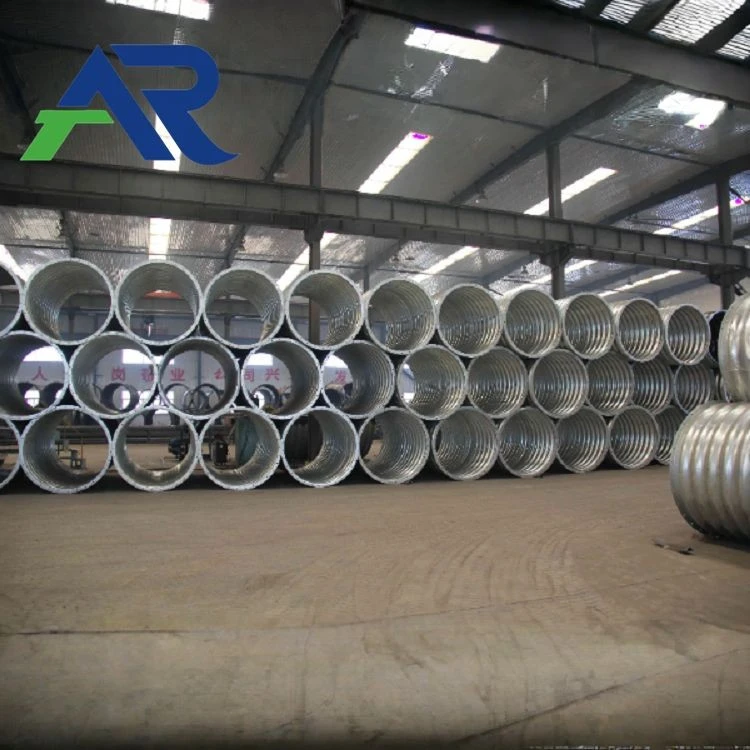
The corrugation design of the pipes can also affect their frost - resistance. The corrugations provide additional strength and flexibility to the pipes. A well - designed corrugation pattern can distribute the pressure evenly along the pipe's length, reducing the stress concentration at specific points. This helps prevent cracking and deformation when the pipe is subjected to the pressure of frozen soil. For example, pipes with deeper and more closely spaced corrugations may offer better resistance to external pressure compared to those with shallower and wider corrugations.
Testing the Frost - Resistance of Corrugated Pipes
To ensure the quality and frost - resistance of our corrugated pipes, we conduct a series of rigorous tests. One of the most common tests is the freeze - thaw cycle test. In this test, the pipes are filled with water and subjected to multiple cycles of freezing and thawing. The pipes are monitored for any signs of cracking, deformation, or leakage after each cycle.
We also perform pressure tests to simulate the pressure exerted by frozen soil on the pipes. The pipes are placed in a pressure chamber, and the pressure is gradually increased to the levels expected in real - world freezing conditions. This helps us determine the maximum pressure the pipes can withstand without failure.
In addition, we conduct material analysis to ensure that the pipes are made of high - quality materials with the appropriate chemical composition and physical properties. This includes testing for factors such as tensile strength, hardness, and corrosion resistance.
Applications and Benefits of Frost - Resistant Corrugated Pipes in Subway Passages
Drainage Systems
Frost - resistant corrugated pipes are widely used in the drainage systems of subway passages. They can effectively collect and transport rainwater, groundwater, and wastewater, preventing water accumulation in the subway. In cold climates, these pipes can withstand the freezing temperatures and the pressure of frozen soil, ensuring the continuous operation of the drainage system.
Cable Protection
Subway passages are filled with various cables, including power cables, communication cables, and control cables. Frost - resistant corrugated pipes can be used to protect these cables from physical damage, moisture, and freezing temperatures. The pipes provide a safe and stable environment for the cables, reducing the risk of electrical failures and signal interference.
Ventilation Systems
In the ventilation systems of subway passages, corrugated pipes are used to transport air. Frost - resistant pipes can maintain their structural integrity in cold weather, ensuring the proper functioning of the ventilation system. This is crucial for maintaining good air quality and temperature control in the subway.
Related Products and Their Features
If you are interested in other applications of corrugated pipes, we also offer products such as Steel Urban Underground Integrated Pipeline Corridor, Wind Tower Foundation Corrugated Outer Tube, and Bridge Culvert Steel Corrugated Culvert. These products have their own unique features and are suitable for different engineering projects.
Conclusion and Call to Action
In conclusion, the frost - resistance properties of corrugated pipes are of utmost importance in subway passages. Our company is committed to providing high - quality, frost - resistant corrugated pipes that meet the strict requirements of subway construction. We use advanced manufacturing techniques and materials to ensure the reliability and durability of our products.
If you are involved in subway construction or related projects and are looking for reliable corrugated pipes with excellent frost - resistance, we invite you to contact us for further discussion and potential procurement. Our team of experts is ready to provide you with detailed product information and customized solutions to meet your specific needs.
References
- "Handbook of Corrugated Pipe Engineering"
- "Subway Infrastructure Design and Construction Standards"
- "Materials Science and Engineering for Underground Structures"