

As a supplier of Communication Tower Buildings, I've had the privilege of witnessing the evolution and diversity of these essential structures. Communication tower buildings come in various types, each designed to meet specific needs and requirements in the ever - expanding field of communication.
Lattice Towers
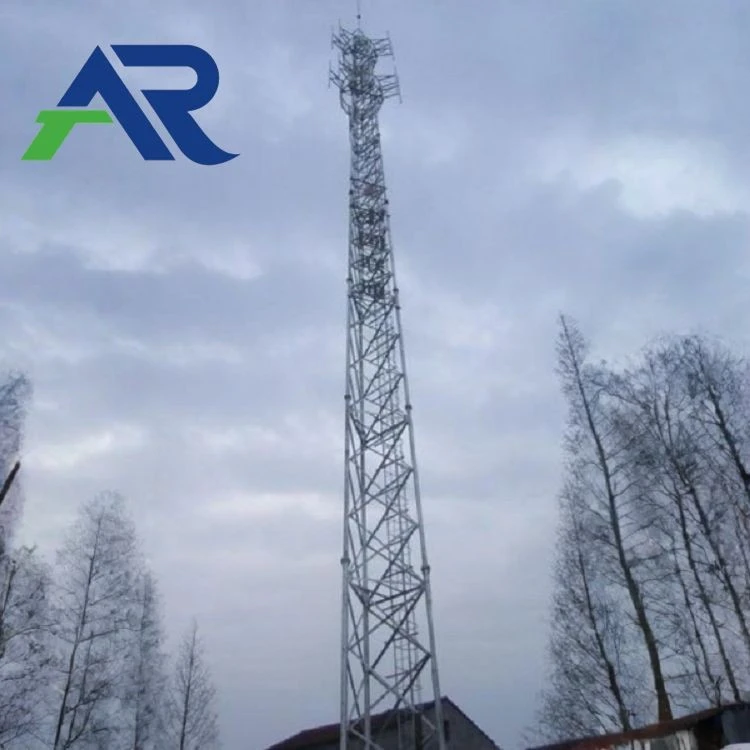
Lattice towers are one of the most common types of communication tower buildings. They are characterized by their open framework structure, which is made up of a series of interconnected steel bars or angles. This design provides excellent strength and stability while using relatively less material compared to solid - walled structures.
Lattice towers are highly customizable in terms of height and shape. They can be built to reach great heights, making them suitable for long - distance communication. Their open design also allows for easy installation and maintenance of communication equipment such as antennas. These towers are often used for radio and television broadcasting, cellular communication, and military communication.
The lattice design distributes the weight of the tower and the equipment it supports evenly across the structure. This makes them capable of withstanding strong winds, heavy snow loads, and seismic activity. Many large - scale communication networks rely on lattice towers to ensure reliable and widespread coverage. For more information on similar structures, you can visit our Iron Towers page.
Monopole Towers
Monopole towers are single - pole structures that are becoming increasingly popular, especially in urban and suburban areas. They are more aesthetically pleasing compared to lattice towers, as they have a sleek and modern appearance. Monopole towers are typically made of steel or concrete and are designed to be self - supporting.
One of the main advantages of monopole towers is their relatively small footprint. They take up less space on the ground, which is a significant benefit in areas where land is scarce or expensive. They are also easier to install and can be erected more quickly than lattice towers.

Monopole towers are commonly used for cellular communication, as they can support multiple antennas at different heights. They are often found in residential neighborhoods, shopping centers, and along highways. However, their height is generally limited compared to lattice towers, which may restrict their use for long - distance communication. To explore more about our tower offerings, check out our Communication Tower Building page.
Guyed Towers
Guyed towers are supported by a series of cables or guys that are attached to the tower at various heights and anchored to the ground. These towers are often used when a tall structure is required but the cost of a self - supporting tower is prohibitive.
The guys provide additional stability to the tower, allowing it to be built taller with less material. Guyed towers are commonly used for radio and television broadcasting, as well as for some types of wireless communication. They can be designed to support large antennas and other communication equipment.
However, guyed towers require a larger area of land for the guy anchors, which can be a limitation in some locations. They also require more maintenance compared to self - supporting towers, as the guys need to be regularly inspected and adjusted to ensure proper tension.
Tubular Towers
Tubular towers are made of large - diameter steel tubes. They offer a more streamlined appearance compared to lattice towers and are often used in areas where aesthetics are a concern. Tubular towers are strong and can support a significant amount of communication equipment.
These towers are relatively easy to fabricate and install. They can be pre - fabricated in sections and then assembled on - site, which reduces construction time. Tubular towers are commonly used for cellular communication, microwave communication, and some specialized communication applications.
Electrical Towers for Communication
In some cases, electrical towers can also be adapted for communication purposes. Electrical Tower For Electricity Transmission can be modified to support communication equipment such as antennas. This approach can be cost - effective, as it utilizes existing infrastructure.
Electrical towers are typically designed to be very strong and can withstand harsh environmental conditions. By adding communication equipment to these towers, it is possible to expand the communication network without the need for building new dedicated communication towers in some areas. However, there are some challenges associated with this approach, such as ensuring proper electrical isolation and compatibility between the electrical and communication systems.
Hybrid Towers
Hybrid towers combine the features of different types of towers to meet specific requirements. For example, a hybrid tower might incorporate elements of a lattice tower and a monopole tower. This allows for the benefits of both types, such as the strength and height capabilities of a lattice tower with the aesthetic appeal and small footprint of a monopole tower.
Hybrid towers can be customized to suit the unique needs of a particular communication project. They are often used in complex communication scenarios where a single - type tower may not be sufficient.
Considerations in Choosing a Communication Tower Building
When choosing a communication tower building, several factors need to be considered. The first is the purpose of the tower. Different types of communication, such as radio, television, cellular, or microwave, have different requirements in terms of height, antenna capacity, and signal coverage.
The location of the tower is also crucial. Urban areas may require towers with a small footprint and an aesthetically pleasing design, while rural areas may prioritize height and strength. Environmental factors such as wind, snow, and seismic activity must also be taken into account to ensure the tower's stability and longevity.
Cost is another important consideration. The initial construction cost, as well as the long - term maintenance cost, should be evaluated. Some types of towers may have a higher upfront cost but lower maintenance requirements, while others may be cheaper to build but more expensive to maintain over time.
Our Role as a Supplier
As a supplier of Communication Tower Buildings, we understand the importance of providing high - quality and reliable products. We offer a wide range of tower types to meet the diverse needs of our customers. Our team of experts can assist in the selection process, taking into account all the relevant factors such as purpose, location, and budget.
We ensure that all our towers are built to the highest standards of quality and safety. We use only the best materials and employ advanced manufacturing techniques to ensure the durability and performance of our products. Whether you need a lattice tower for a large - scale broadcasting network or a monopole tower for a local cellular site, we have the expertise and resources to deliver the right solution.
If you are in the market for a communication tower building, we invite you to contact us for a detailed discussion. Our team is ready to work with you to understand your specific requirements and provide a customized solution. We look forward to the opportunity to partner with you in your communication projects.
References
- Antenna Engineering Handbook, Fourth Edition by John L. Volakis
- Wireless Communication Systems: From RF Sub - systems to 4G Enabling Technologies by Thomas Kaiser
- Tower Design and Construction: A Practical Guide by John A. Ruff