
As a supplier of Stainless Steel Factory Chimneys, I understand the critical importance of maintaining these industrial assets. One of the most frequently asked questions from our clients is about the cleaning frequencies for stainless steel factory chimneys. In this blog, I'll delve into the factors that influence these frequencies and provide some general guidelines to ensure the optimal performance and longevity of your chimney.
Factors Affecting Cleaning Frequencies
1. Type of Production Process
The nature of the manufacturing operations in your factory has a significant impact on how often the chimney needs cleaning. For instance, if your factory is involved in processes that produce a high volume of particulate matter, such as metal smelting or powder coating, the chimney will accumulate debris more rapidly. On the other hand, factories with cleaner production processes, like some electronics manufacturing, may require less frequent cleaning.
2. Chimney Design
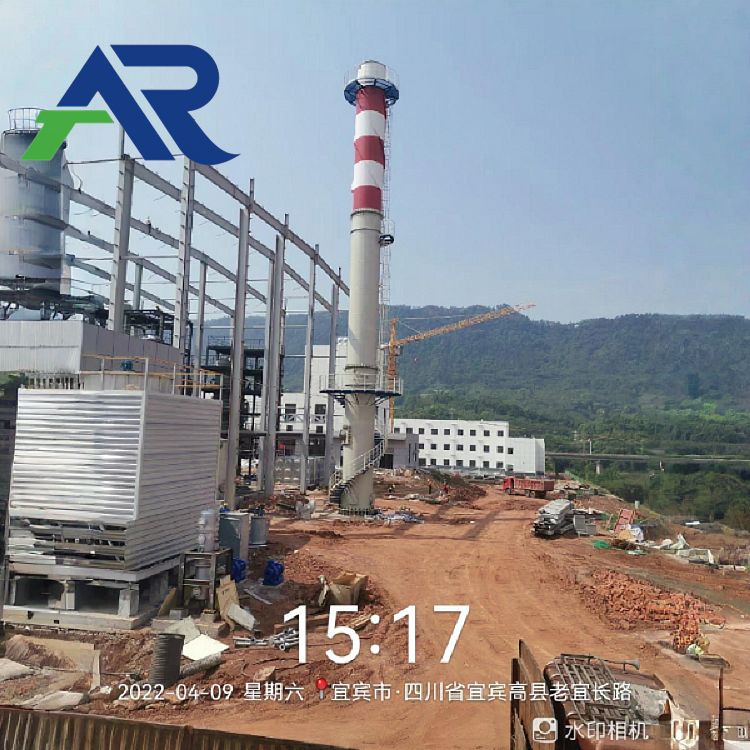
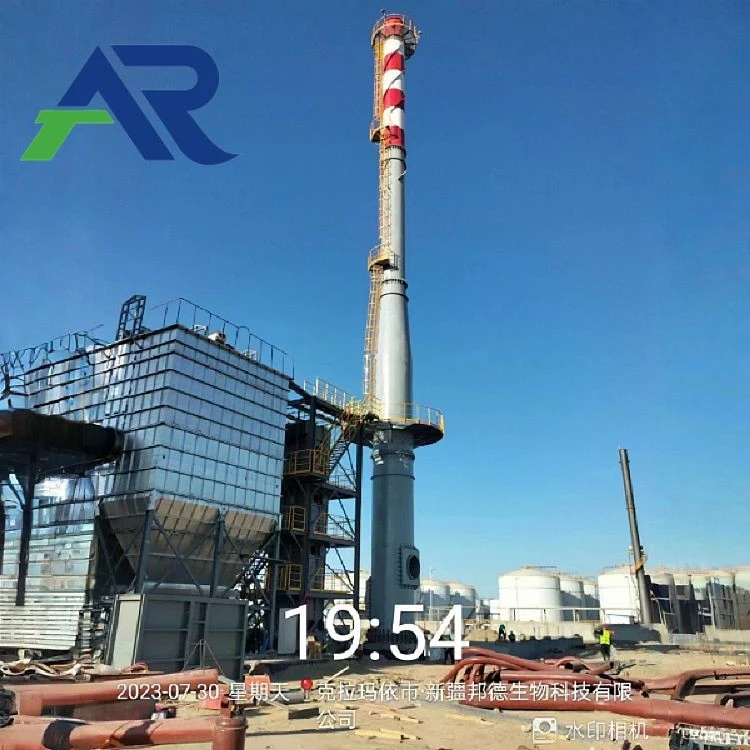
The design of the chimney also plays a role. Multi - sleeve Chimney systems, which are often used in larger factories or those with complex exhaust requirements, may have more areas where debris can collect compared to Single Sleeve Chimney designs. The internal structure, bends, and joints in the chimney can trap particles and increase the need for regular cleaning.
3. Environmental Conditions
The environment in which the factory is located can affect the chimney's cleanliness. Factories in areas with high levels of dust, pollen, or other airborne contaminants may experience faster build - up in the chimney. Additionally, if the factory is near a coastal area, the presence of salt in the air can cause corrosion and require more frequent inspections and cleaning.
4. Fuel Type
If your factory chimney is used to vent exhaust from combustion processes, the type of fuel used is crucial. For example, burning coal or heavy oil produces more soot and ash compared to natural gas. Factories using these dirtier fuels will need to clean their chimneys more often to prevent blockages and ensure efficient operation.
General Cleaning Frequency Guidelines
1. Monthly Inspections
Regardless of the factors mentioned above, it is advisable to conduct monthly visual inspections of the chimney. These inspections can help identify early signs of blockages, corrosion, or other issues. During these inspections, check the exterior of the chimney for any visible damage, and use a camera or other inspection tools to look inside the chimney if possible.
2. Light Production or Clean Processes
For factories with light production levels or those involved in clean processes, a thorough chimney cleaning once or twice a year may be sufficient. This can be coordinated with regular maintenance shutdowns to minimize disruption to production.
3. Moderate Production and Particulate Generation
Factories with moderate production levels and a moderate amount of particulate generation should consider cleaning their chimneys every three to six months. This frequency helps prevent the build - up of debris to a level that could affect the chimney's performance or pose a safety risk.
4. Heavy Production or Dirty Processes
In factories with heavy production and processes that generate a large amount of particulate matter, the chimney may need to be cleaned every one to three months. These high - frequency cleanings are essential to maintain proper airflow, prevent fires caused by accumulated debris, and ensure compliance with environmental regulations.
Importance of Regular Cleaning
1. Safety
A clean chimney reduces the risk of fires. Accumulated debris, especially soot and grease, can be highly flammable. Regular cleaning removes these potential fire hazards and helps protect your factory and its employees.
2. Efficiency
A clean chimney allows for better airflow, which is crucial for the efficient operation of your factory's exhaust system. When the chimney is clogged, the exhaust gases may not be able to escape properly, leading to increased backpressure in the system. This can result in reduced efficiency of your production equipment and increased energy consumption.
3. Longevity
Regular cleaning helps prevent corrosion and damage to the chimney structure. Debris and moisture can cause rust and other forms of deterioration over time. By keeping the chimney clean, you can extend its lifespan and avoid costly repairs or replacements.
4. Environmental Compliance
Many industries are subject to strict environmental regulations regarding emissions. A clean chimney ensures that your factory is operating within the permitted emission limits, helping you avoid fines and maintain a good environmental reputation.
Our Role as a Stainless Steel Factory Chimney Supplier
As a supplier of Stainless Steel Factory Chimney, we not only provide high - quality chimney products but also offer comprehensive support services. Our team of experts can help you determine the appropriate cleaning frequency for your specific factory requirements. We can also provide guidance on the best cleaning methods and recommend professional cleaning services if needed.
In addition, we offer regular maintenance contracts to ensure that your chimney is always in top - notch condition. These contracts include inspections, cleaning, and any necessary repairs, allowing you to focus on your core business operations without worrying about chimney maintenance.
Contact Us for More Information
If you are interested in learning more about our Stainless Steel Factory Chimneys or need advice on chimney cleaning frequencies, we encourage you to get in touch with us. Our sales team is ready to answer your questions and provide you with detailed information about our products and services. Whether you are planning a new factory installation or looking to upgrade your existing chimney system, we are here to assist you every step of the way.
References
- "Industrial Chimney Design and Maintenance Handbook" - A comprehensive guide on industrial chimney design, operation, and maintenance.
- Environmental Protection Agency (EPA) regulations on industrial emissions and chimney safety.
- Industry research reports on the impact of chimney cleanliness on factory efficiency and safety.