

As a supplier of Fiberglass Chimneys, I often encounter questions about the environmental friendliness of our products. In this blog, I'll delve into the environmental aspects of fiberglass chimneys, comparing them with other types of chimneys and exploring their overall impact on the environment.
Understanding Fiberglass Chimneys
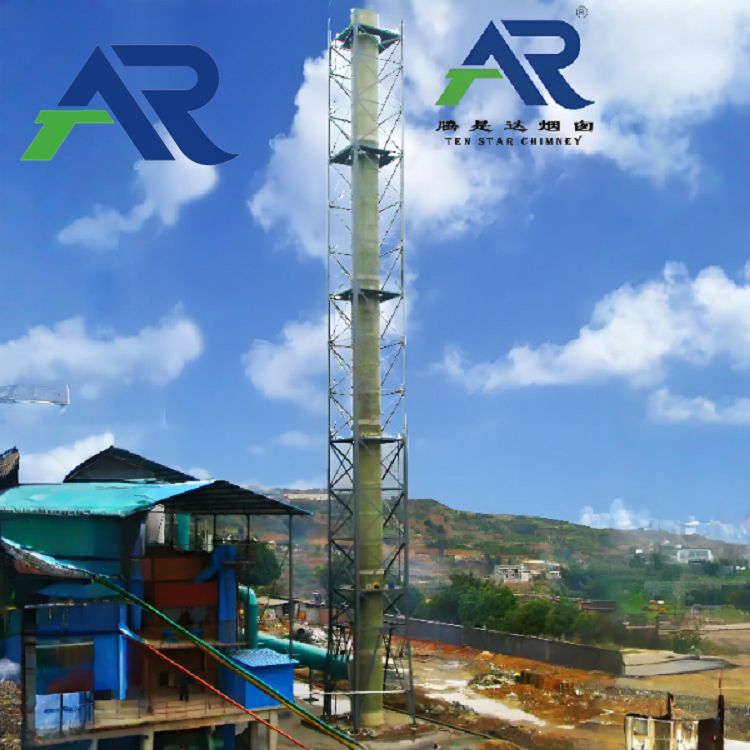
Fiberglass chimneys are made from a composite material consisting of glass fibers embedded in a resin matrix. This combination results in a chimney that is lightweight, corrosion - resistant, and relatively easy to install. They are commonly used in various industrial and residential settings due to their durability and cost - effectiveness. You can learn more about Fiberglass Chimney on our website.
Environmental Advantages of Fiberglass Chimneys
Energy Efficiency
One of the significant environmental benefits of fiberglass chimneys is their energy - efficient nature. Fiberglass has excellent insulation properties, which helps to reduce heat loss during the exhaust process. When a chimney is well - insulated, less energy is required to maintain the proper draft and temperature within the chimney. This means that the heating or combustion system connected to the chimney can operate more efficiently, consuming less fuel. For industrial applications, where large - scale heating processes are involved, this can lead to substantial energy savings over time, reducing the overall carbon footprint associated with energy consumption.
Long Lifespan
Fiberglass chimneys have a relatively long lifespan compared to some other chimney materials. Their corrosion - resistant properties mean that they can withstand harsh environmental conditions and the corrosive effects of exhaust gases without significant degradation. A longer lifespan implies that these chimneys do not need to be replaced as frequently as other types. This reduces the amount of waste generated from chimney replacements and also conserves the raw materials that would be used to manufacture new chimneys. Fewer replacements also mean less energy and resources are used in the manufacturing and installation processes over the long term.
Low Maintenance Requirements
Fiberglass chimneys generally require less maintenance than other chimney types. They do not rust or corrode easily, and their smooth surface makes it difficult for soot and debris to accumulate. This means that less cleaning and upkeep are needed, which in turn reduces the use of cleaning chemicals and the energy associated with maintenance activities. Additionally, less frequent maintenance reduces the disruption to the operation of the connected heating or combustion system, ensuring that it continues to run efficiently and with minimal environmental impact.

Comparing with Other Chimney Types
Titanium Steel Composite Plate Chimney
Titanium Steel Composite Plate Chimney is another option available in the market. While titanium steel composite plate chimneys offer high strength and corrosion resistance, their manufacturing process is more energy - intensive. The extraction and processing of titanium and steel require large amounts of energy, and the production of the composite plate involves complex manufacturing techniques. In contrast, the manufacturing of fiberglass chimneys is relatively less energy - consuming, making them a more environmentally friendly choice in terms of production.
Stainless Steel Chimneys
Stainless Steel Chimneys are also popular, but they can be more prone to corrosion in certain environments, especially when exposed to acidic exhaust gases. This may lead to a shorter lifespan and more frequent replacements. Moreover, the production of stainless steel involves significant energy consumption and the use of natural resources such as iron ore and chromium. Fiberglass chimneys, with their corrosion - resistant properties and lower production energy requirements, offer a more sustainable alternative.
Potential Environmental Concerns
Resin and Chemicals
The resin used in fiberglass chimneys is typically a synthetic material, and its production may involve the use of chemicals. Some of these chemicals can be harmful to the environment if not properly managed during the manufacturing process. However, modern manufacturing techniques have made significant progress in reducing the environmental impact of resin production. Many manufacturers now use low - volatile organic compound (VOC) resins, which emit fewer harmful chemicals into the air during production and use. Additionally, proper waste management during the manufacturing process can ensure that any chemical by - products are disposed of safely.
Disposal
At the end of their lifespan, fiberglass chimneys need to be disposed of properly. Fiberglass is not biodegradable, and improper disposal can lead to environmental problems. However, there are recycling options available for fiberglass materials. Some recycling facilities can break down fiberglass into its components and reuse the glass fibers and resin in other products. As the demand for sustainable waste management solutions grows, the recycling infrastructure for fiberglass is likely to improve, further reducing the environmental impact of fiberglass chimney disposal.
Conclusion
Overall, fiberglass chimneys offer several environmental advantages, including energy efficiency, a long lifespan, and low maintenance requirements. When compared to other chimney types such as titanium steel composite plate chimneys and stainless - steel chimneys, they generally have a lower environmental impact in terms of production and use. While there are some potential environmental concerns related to resin production and disposal, modern manufacturing and waste management practices are addressing these issues.
As a supplier of Fiberglass Chimneys, we are committed to promoting sustainable practices in the chimney industry. We believe that our products can play an important role in reducing the environmental footprint of heating and combustion systems. If you are interested in learning more about our Fiberglass Chimneys or are considering a chimney upgrade for your industrial or residential application, we encourage you to contact us for a consultation. We can provide you with detailed information about our products and help you make an environmentally friendly and cost - effective choice.
References
- Smith, J. (2020). "Materials and Energy Efficiency in Chimney Design." Journal of Environmental Engineering.
- Brown, A. (2019). "Comparative Analysis of Chimney Materials for Industrial Applications." Industrial Chimney Review.
- Green, C. (2021). "Sustainable Waste Management for Fiberglass Products." Environmental Science and Technology.