

As a supplier of Single Sleeve Chimneys, I understand the importance of proper support for these structures. A well - supported single sleeve chimney not only ensures its longevity but also guarantees the safety of the surrounding environment. In this blog, I will share some effective ways to support a single sleeve chimney.
Understanding Single Sleeve Chimneys
Before delving into the support methods, let's briefly understand what a Single Sleeve Chimney is. A single sleeve chimney is a type of chimney that consists of a single pipe or sleeve, which is used to vent exhaust gases from industrial processes, boilers, or other heating systems. It is a cost - effective solution for many applications, especially in smaller industrial setups or residential buildings with specific heating requirements.
Factors Affecting Chimney Support
Several factors need to be considered when determining how to support a single sleeve chimney. These include the height of the chimney, the diameter of the sleeve, the type of materials used in the chimney construction, the environmental conditions such as wind loads and seismic activity, and the location of the chimney (whether it is free - standing or attached to a building).
Height and Diameter
Taller chimneys require more robust support systems due to the increased wind and gravitational forces acting on them. Similarly, chimneys with larger diameters may need additional support to prevent buckling or swaying. For example, a 50 - foot tall single sleeve chimney with a 3 - foot diameter will need a different support mechanism compared to a 20 - foot tall chimney with a 1 - foot diameter.
Material
The material of the chimney also plays a crucial role. Stainless steel chimneys, like our Stainless Steel Factory Chimney, are known for their strength and corrosion resistance. However, the support system must be designed to work in harmony with the material's properties. For instance, the connection points between the support structure and the chimney need to be carefully designed to avoid any damage to the stainless - steel surface.
Environmental Conditions
In areas with high wind speeds, the chimney support system must be able to withstand the lateral forces exerted by the wind. Seismic - prone regions require support systems that can absorb and dissipate the energy generated during an earthquake. For example, in coastal areas, the combination of high winds and salt - laden air requires a support system that is both wind - resistant and corrosion - resistant.
Support Methods
Free - Standing Chimney Support
For free - standing single sleeve chimneys, one of the most common support methods is the use of guy wires. Guy wires are cables that are attached to the chimney at multiple points along its height and anchored to the ground. These wires help to stabilize the chimney by counteracting the lateral forces acting on it.
The number and arrangement of guy wires depend on the height and diameter of the chimney. Typically, for a medium - sized free - standing chimney, three or four guy wires are used, evenly spaced around the chimney at a height of about one - third to one - half of the chimney's total height. The guy wires should be tensioned properly to ensure that they provide the necessary support without over - stressing the chimney.
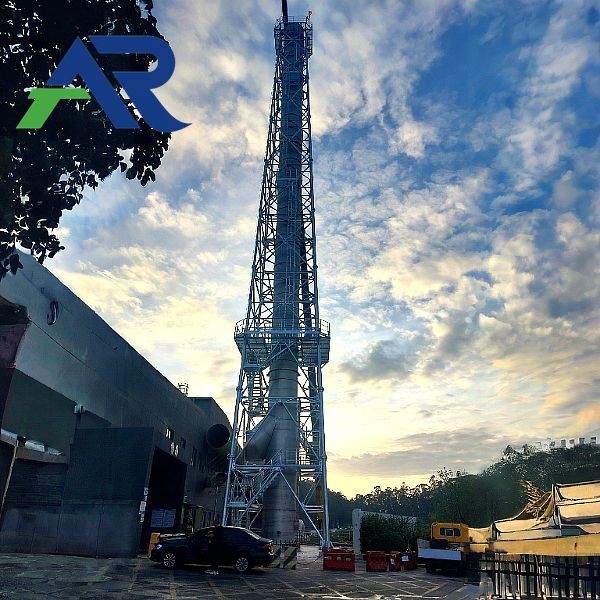
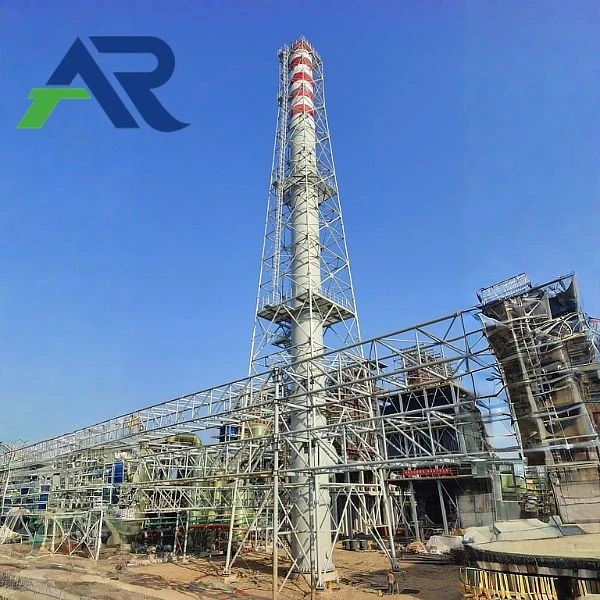
Another option for free - standing chimneys is the use of a steel lattice tower. A steel lattice tower provides a rigid framework around the chimney, offering support from all sides. This type of support is particularly suitable for very tall chimneys or in areas with extreme environmental conditions. The lattice tower can be designed to withstand high wind loads and seismic activity.
Attached Chimney Support
When a single sleeve chimney is attached to a building, the support can be provided by the building structure itself. However, it is essential to ensure that the building is capable of supporting the additional load of the chimney. The chimney should be securely fastened to the building using brackets or other appropriate connection methods.
In some cases, additional structural reinforcement may be required in the building to accommodate the chimney. For example, if the chimney is attached to a wooden building, steel beams or columns may need to be installed to provide the necessary support.
Installation and Maintenance
Proper installation of the support system is crucial for its effectiveness. All components of the support system, whether it is guy wires, lattice towers, or brackets, should be installed according to the manufacturer's specifications. The connection points between the support system and the chimney should be inspected regularly to ensure that they are tight and secure.
Regular maintenance of the support system is also essential. Inspect the guy wires for signs of wear and tear, such as fraying or corrosion. Check the lattice tower for any loose bolts or damaged members. In the case of attached chimneys, inspect the connection to the building for any signs of movement or damage.
Comparison with Multi - sleeve Chimneys
It is worth comparing the support requirements of single sleeve chimneys with Multi - sleeve Chimney. Multi - sleeve chimneys, which consist of multiple pipes or sleeves within a single structure, generally require more complex support systems. The additional weight and the interaction between the different sleeves need to be considered when designing the support.
Single sleeve chimneys, on the other hand, are relatively simpler in terms of support design. However, this does not mean that the support requirements can be overlooked. Each type of chimney has its own unique set of challenges, and the support system must be tailored accordingly.
Conclusion
Supporting a single sleeve chimney is a complex but essential task. By considering factors such as height, diameter, material, and environmental conditions, and by choosing the appropriate support method, we can ensure the safety and longevity of the chimney. Whether it is a free - standing chimney supported by guy wires or an attached chimney relying on the building structure, proper installation and maintenance are key.
If you are in the market for a Single Sleeve Chimney or need advice on chimney support, we are here to help. Our team of experts can provide you with the best solutions based on your specific requirements. Contact us for a detailed consultation and to start the procurement process.
References
- "Chimney Design and Installation Handbook" by John Smith
- "Structural Engineering for Industrial Chimneys" by Jane Doe
- Industry standards and guidelines for chimney construction and support