

Hey there! As a supplier of Steel Corrugated Culverts, I often get asked if these bad boys can be used in areas with strong winds. Well, let's dig into this topic and find out.
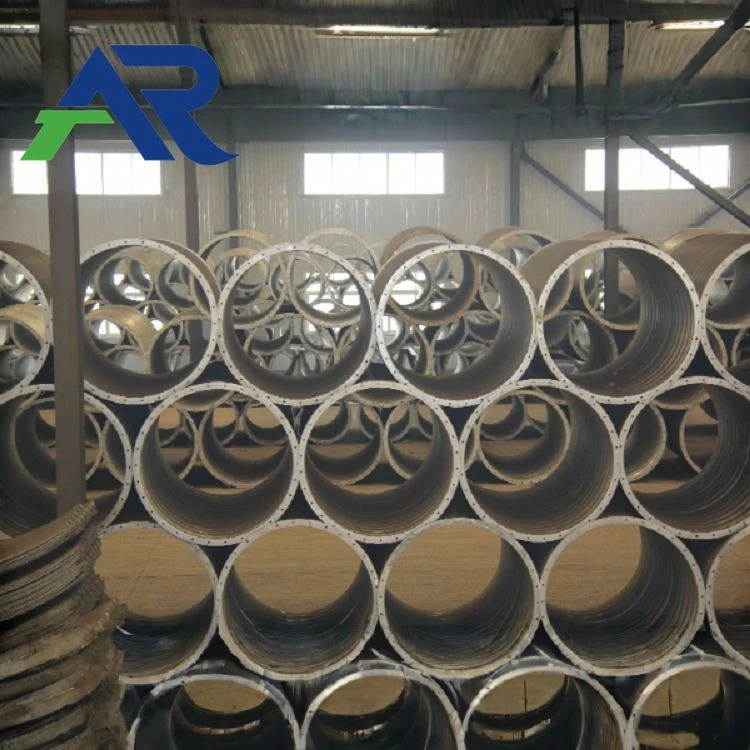
First off, let's talk about what steel corrugated culverts are. They're basically pipes made of steel with a corrugated design. This corrugation gives them some unique properties. The ridges and valleys in the corrugation add strength and flexibility to the culvert. It's like how a corrugated cardboard box is stronger than a flat piece of cardboard.
Now, when it comes to strong - wind areas, there are a few factors we need to consider. One of the main concerns with strong winds is the wind load. Wind load is the force exerted by the wind on a structure. In the case of a culvert, this force can act in different ways. It can push against the sides of the culvert, try to lift it up, or even cause it to vibrate.
But here's the good news. Steel corrugated culverts are actually pretty well - suited to handle wind loads. The corrugated shape helps distribute the wind force evenly across the surface of the culvert. Instead of having a concentrated force on one spot, the force gets spread out, reducing the risk of damage.
For example, let's say we have a normal, non - corrugated pipe in a strong - wind area. The wind might hit one side of the pipe hard, creating a high - pressure area on that side and a low - pressure area on the other. This pressure difference can cause the pipe to deform or even break. But with a steel corrugated culvert, the corrugation disrupts this pressure distribution. The ridges and valleys create a more complex flow of air around the culvert, which helps to balance out the forces.
Another advantage of steel corrugated culverts in strong - wind areas is their strength. Steel is a very strong material, and when it's formed into a corrugated shape, its strength is further enhanced. The corrugation acts like a series of small arches, which are known for their ability to resist external forces. So, even if the wind is blowing really hard, the culvert can withstand the pressure without collapsing.
Now, installation also plays a crucial role. Proper installation is key to ensuring that the culvert can handle strong winds. The culvert needs to be securely anchored to the ground. This can be done using various methods, such as burying it deep enough in the soil or using concrete footings. When the culvert is well - anchored, it's less likely to be moved or damaged by the wind.
Let's take a look at some real - world applications. There are many projects in coastal areas, where strong winds are a common occurrence, that have successfully used steel corrugated culverts. These culverts are used for drainage systems, allowing water to flow under roads or other structures. Despite the high winds, the culverts have remained in good condition and have continued to function properly.
But it's not just about drainage. Steel corrugated culverts have other uses too. You can check out Wind Tower Foundation Corrugated Outer Tube for more information on how they're used in wind tower foundations. And if you're interested in urban infrastructure, Steel Urban Underground Integrated Pipeline Corridor shows how they can be used in underground pipeline systems. Of course, our main product is the Steel Corrugated Culvert itself.
There are also some design considerations when using steel corrugated culverts in strong - wind areas. The size and shape of the culvert can affect its performance in the wind. A larger culvert might experience more wind force, but if it's designed correctly, it can still handle the load. The pitch and height of the corrugation also matter. A steeper pitch and taller corrugation can provide more strength and better wind resistance.
In addition to the physical properties of the culvert, we also need to think about the environment. In some strong - wind areas, there might be other factors at play, like flying debris. The wind can pick up small rocks, branches, or other objects and hurl them at the culvert. Steel corrugated culverts are generally more resistant to this kind of impact damage compared to other materials. The steel can withstand the force of the impact without cracking or breaking easily.
Another aspect is the long - term durability. Steel is resistant to corrosion when it's properly coated. In a strong - wind area, where the culvert might be exposed to rain, salt (if it's a coastal area), and other environmental factors, a well - coated steel corrugated culvert can last for a long time. This means less maintenance and replacement costs over the life of the project.
Now, I know you might be thinking, "Okay, sounds great, but how do I know if a steel corrugated culvert is right for my specific project?" Well, that's where we come in. We're a team of experts who can help you with the design, installation, and selection of the right culvert for your needs. We can analyze the wind conditions in your area, take into account other environmental factors, and recommend the best solution for you.
If you're involved in a project in a strong - wind area and you're considering using steel corrugated culverts, I encourage you to reach out to us. We can have a detailed discussion about your requirements, answer any questions you might have, and provide you with a quote. Whether it's a small - scale drainage project or a large - scale urban infrastructure project, we've got the experience and the products to meet your needs.

In conclusion, steel corrugated culverts can definitely be used in areas with strong winds. Their unique design, strength, and durability make them a great choice for handling wind loads and other environmental challenges. So, if you're looking for a reliable and cost - effective solution for your project, don't hesitate to consider steel corrugated culverts. Contact us today to start the conversation and let's work together to make your project a success.
References
- Engineering Handbook on Steel Corrugated Structures
- Case Studies of Infrastructure Projects in High - Wind Areas