
Hey there! As a supplier of Fiberglass Tower Chimneys, I've gotten a bunch of inquiries about how to reduce noise from these bad boys. Let's dive right into it and talk about some practical ways to make your fiberglass tower chimney a whole lot quieter.
First off, let's understand where the noise is coming from. The main sources of noise in a fiberglass tower chimney are usually the flow of gases and air through the chimney, as well as the vibrations caused by the machinery connected to it. When hot gases rush up the chimney, they create turbulence, which in turn generates noise. And if the chimney is attached to equipment like fans or pumps, the vibrations from those can also add to the racket.
One of the simplest ways to reduce noise is through insulation. Insulating the chimney can help dampen the sound waves produced by the gas flow and vibrations. You can use special insulation materials designed for high - temperature environments. These materials are usually made of fiberglass, mineral wool, or ceramic fiber. They work by absorbing the sound energy and preventing it from escaping the chimney. By wrapping the chimney with a thick layer of insulation, you can significantly reduce the noise level.
Another effective method is to install silencers. Silencers are devices that are specifically designed to reduce noise in fluid - flow systems. They work by using a combination of baffles, chambers, and sound - absorbing materials to break up the sound waves and reduce their intensity. There are different types of silencers available, such as reactive silencers and absorptive silencers. Reactive silencers use chambers and tubes to reflect and cancel out the sound waves, while absorptive silencers use porous materials to absorb the sound energy. You can choose the type of silencer based on the specific noise characteristics of your chimney.
Vibration isolation is also crucial. As I mentioned earlier, vibrations from connected machinery can contribute to the noise. To address this, you can use vibration isolation mounts or pads. These are placed between the chimney and the equipment to absorb and dampen the vibrations. They are usually made of rubber or other elastic materials. By reducing the vibrations transferred to the chimney, you can cut down on the noise generated.
Now, let's talk about the design of the chimney itself. A well - designed chimney can help reduce noise. For example, a smooth interior surface can minimize turbulence in the gas flow, which in turn reduces noise. You can also consider the shape of the chimney. A chimney with a gradual expansion or contraction can help control the gas flow and reduce the formation of shock waves, which are a major source of noise.
In addition to these methods, regular maintenance is essential. Over time, the chimney can develop leaks, cracks, or other damage, which can increase the noise level. By regularly inspecting and maintaining the chimney, you can ensure that it is in good working condition and reduce the chances of noise problems. Check for any loose parts, seal any leaks, and replace any damaged components.
If you're still having trouble reducing the noise, you might want to consider upgrading to a different type of chimney. For instance, the Titanium Steel Composite Plate Tower Chimney has different acoustic properties compared to a fiberglass tower chimney. It might be more suitable for your needs if noise reduction is a top priority. But of course, our Fiberglass Tower Chimney is also a great option with its own set of advantages, like corrosion resistance and lightweight.
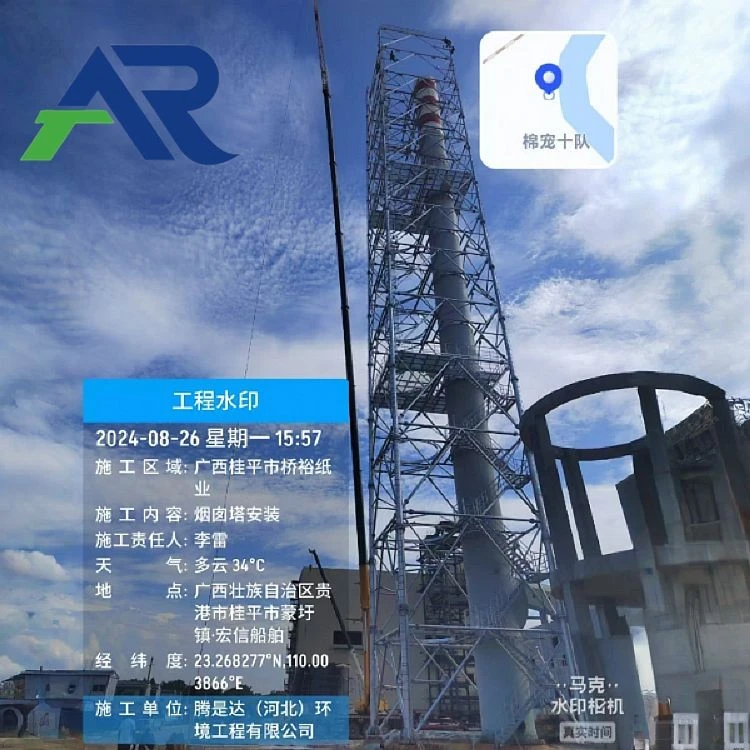

To sum it up, reducing noise from a fiberglass tower chimney involves a combination of insulation, silencers, vibration isolation, proper design, and regular maintenance. By implementing these strategies, you can create a quieter and more comfortable environment around your chimney.
If you're interested in buying a Fiberglass Tower Chimney or need more advice on noise reduction, feel free to reach out. We're here to help you find the best solution for your specific requirements. Whether you're in an industrial setting or a commercial one, we've got the expertise to assist you. Let's work together to make your chimney operation as quiet and efficient as possible.
References
- Industrial Noise Control Handbook
- Handbook of Sound Absorption and Noise Control