

Water leakage in a multi - sleeve chimney can lead to a variety of problems, including structural damage, corrosion, and reduced efficiency. As a multi - sleeve chimney supplier, I understand the importance of preventing water leakage to ensure the long - term performance and durability of these structures. In this blog post, I will share some effective strategies to prevent water leakage in a multi - sleeve chimney.
Understanding the Causes of Water Leakage in Multi - Sleeve Chimneys
Before delving into prevention methods, it is essential to understand the root causes of water leakage in multi - sleeve chimneys. There are several factors that can contribute to this issue:

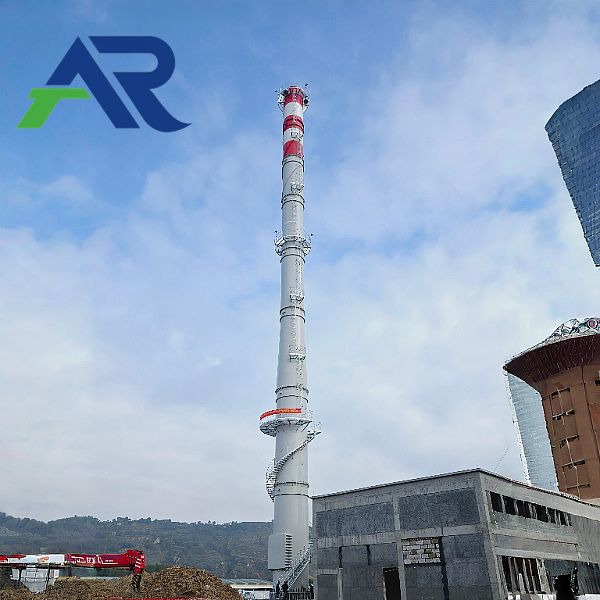
- Poor Sealing: Inadequate sealing between the different sleeves or at the joints can allow water to penetrate into the chimney. This can occur due to improper installation or the deterioration of sealing materials over time.
- Cracks and Holes: Structural damage such as cracks or holes in the chimney walls can provide entry points for water. These can be caused by factors like thermal stress, seismic activity, or physical impact.
- Improper Slope: If the chimney is not installed with the correct slope, water may accumulate on the surface instead of draining off properly. This can lead to water pooling and eventually seepage into the chimney.
- Weather Conditions: Harsh weather conditions, such as heavy rain, snow, or high winds, can increase the likelihood of water penetration. Additionally, exposure to extreme temperatures can cause the chimney materials to expand and contract, leading to the development of cracks.
Strategies for Preventing Water Leakage
1. High - Quality Sealing Materials
One of the most effective ways to prevent water leakage is to use high - quality sealing materials during the installation of the multi - sleeve chimney. Silicone - based sealants are a popular choice as they offer excellent flexibility, adhesion, and weather resistance. These sealants can be applied to the joints between the sleeves, as well as around any penetrations such as pipes or cables. When selecting a sealant, it is important to choose one that is specifically designed for use in chimney applications and can withstand high temperatures.
2. Regular Inspections and Maintenance
Regular inspections are crucial for detecting and addressing potential water leakage issues before they become major problems. Inspect the chimney at least once a year, or more frequently if it is exposed to harsh weather conditions. Check for signs of cracks, holes, or damage to the sealing materials. If any issues are found, they should be repaired immediately using appropriate repair materials. For example, small cracks can be filled with a chimney repair mortar, while larger cracks may require more extensive repairs or even replacement of the damaged section.
In addition to visual inspections, it is also important to perform a water test periodically. This involves spraying water onto the chimney surface and checking for any signs of leakage inside the chimney. If leakage is detected, the source of the problem should be identified and fixed.
3. Proper Installation and Design
Proper installation and design are essential for preventing water leakage in a multi - sleeve chimney. Ensure that the chimney is installed with the correct slope to allow for proper drainage. The slope should be at least 1/4 inch per foot to ensure that water flows off the surface effectively. Additionally, the chimney should be installed in a way that minimizes the risk of water pooling, such as by using drip edges or flashing around the base.
When designing the multi - sleeve chimney, consider the use of additional protective features such as a weather cap. A weather cap can prevent rain, snow, and debris from entering the chimney, reducing the risk of water leakage. It can also help to improve the draft and ventilation of the chimney.
4. Corrosion Protection
Corrosion can weaken the chimney structure and make it more susceptible to water leakage. To prevent corrosion, use corrosion - resistant materials such as stainless steel for the chimney sleeves. Stainless steel is highly resistant to rust and can withstand the harsh conditions inside the chimney. Additionally, apply a protective coating to the chimney surface to provide an extra layer of protection against corrosion.
Comparing Multi - Sleeve Chimneys with Other Types
When considering chimney options, it is important to understand the differences between multi - sleeve chimneys and other types, such as Single Sleeve Chimney and Stainless Steel Factory Chimney.
A single - sleeve chimney consists of a single outer shell, which may be more prone to water leakage compared to a multi - sleeve chimney. The lack of an additional protective layer means that any damage to the outer shell can directly expose the interior of the chimney to water. On the other hand, a multi - sleeve chimney provides an extra layer of protection, reducing the risk of water penetration.
Stainless Steel Factory Chimney offers excellent corrosion resistance, which is beneficial for preventing water leakage caused by rust. However, multi - sleeve chimneys can provide additional insulation and protection, making them a more comprehensive solution for preventing water - related issues.
The Importance of Professional Installation
While it may be tempting to attempt a DIY installation of a multi - sleeve chimney, it is highly recommended to hire a professional installer. Professional installers have the experience and expertise to ensure that the chimney is installed correctly, with proper sealing, slope, and alignment. They can also provide valuable advice on maintenance and prevention of water leakage.
During the installation process, the installer should follow the manufacturer's guidelines and industry best practices. This includes using the correct tools and materials, as well as performing quality checks at each stage of the installation. A professional installation can significantly reduce the risk of water leakage and ensure the long - term performance of the chimney.
Conclusion
Preventing water leakage in a multi - sleeve chimney is essential for maintaining its structural integrity, efficiency, and longevity. By using high - quality sealing materials, performing regular inspections and maintenance, ensuring proper installation and design, and protecting against corrosion, you can minimize the risk of water penetration. As a Multi - sleeve Chimney supplier, I am committed to providing customers with the best products and advice to prevent water leakage and ensure the optimal performance of their chimneys.
If you are interested in purchasing a multi - sleeve chimney or have any questions about preventing water leakage, please feel free to contact us. We look forward to discussing your needs and providing you with the right solutions for your chimney requirements.
References
- ASME Boiler and Pressure Vessel Code, Section VIII, Division 1.
- National Fire Protection Association (NFPA) 211: Standard for Chimneys, Fireplaces, Vents, and Solid - Fuel - Burning Appliances.
- Chimney Safety Institute of America (CSIA) Standards and Best Practices.