

As a supplier specializing in Traffic Signal Pole Types, I often encounter questions from clients about the feasibility of pre - fabricating these poles. In this blog, I'll delve into the topic to provide a comprehensive understanding of whether traffic signal pole types can be pre - fabricated.
Understanding Traffic Signal Pole Types
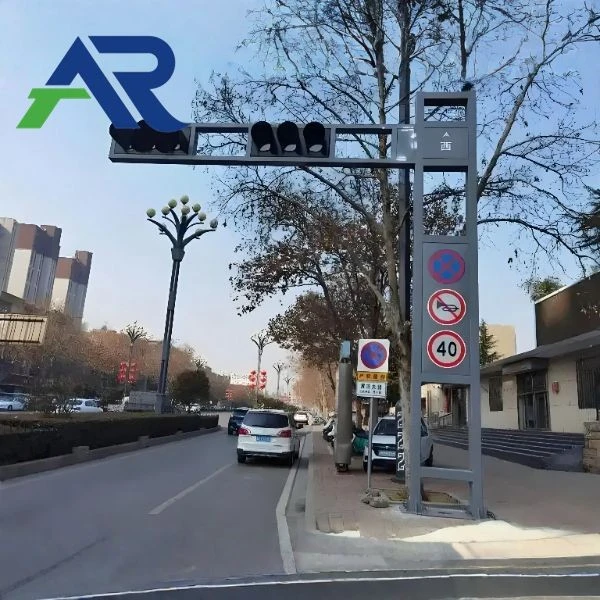
Before discussing pre - fabrication, it's essential to understand the different types of traffic signal poles. There are various Traffic Signal Pole Types available in the market, each designed to meet specific requirements. For instance, some poles are used for small intersections with minimal traffic, while others are built for large, multi - lane highways.
The materials used for traffic signal poles also vary. Common materials include steel, aluminum, and fiberglass. Steel poles are known for their strength and durability, making them suitable for high - traffic areas. Aluminum poles, on the other hand, are lightweight and corrosion - resistant, which is beneficial in coastal regions. Fiberglass poles offer a combination of strength and flexibility and are often used in areas where aesthetics are a concern.
The Concept of Pre - Fabrication
Pre - fabrication involves manufacturing components or entire structures in a factory setting before transporting them to the installation site. This approach has gained popularity in many industries due to its numerous advantages. In the case of traffic signal poles, pre - fabrication means that the poles are designed, cut, welded, and finished in a controlled environment, away from the challenges of on - site construction.
One of the main benefits of pre - fabrication is quality control. In a factory, manufacturers can adhere to strict quality standards and use advanced equipment to ensure that each pole meets the required specifications. This reduces the likelihood of errors and defects that could occur during on - site construction. Additionally, pre - fabricated poles can be produced more efficiently, as the manufacturing process can be streamlined and optimized.
Advantages of Pre - Fabricating Traffic Signal Poles
1. Cost - Efficiency
Pre - fabrication can lead to significant cost savings. Since the poles are produced in bulk in a factory, economies of scale come into play. The cost of raw materials can be reduced through bulk purchasing, and the labor cost per unit can also be minimized due to the efficient production process. Moreover, on - site construction often incurs additional costs such as equipment rental, temporary storage, and weather - related delays. Pre - fabricated poles can be quickly installed, reducing these on - site expenses.
2. Time Savings
Time is of the essence in traffic infrastructure projects. Delays in installing traffic signal poles can disrupt traffic flow and cause inconvenience to the public. Pre - fabricated poles can be manufactured concurrently with site preparation work. Once the poles are ready, they can be transported to the site and installed rapidly. This reduces the overall project timeline, allowing traffic to resume normal flow more quickly.
3. Consistency
Each pre - fabricated traffic signal pole is made to the same high - quality standards. This consistency ensures that all poles in a project have the same dimensions, strength, and appearance. In contrast, on - site construction may result in variations between poles due to differences in workmanship and environmental conditions.
4. Safety
Factory - based pre - fabrication provides a safer working environment for workers. The risk of accidents such as falls, cuts, and exposure to hazardous materials is significantly reduced compared to on - site construction. Workers in a factory are also more likely to be trained and experienced in using specialized equipment, further enhancing safety.
Challenges of Pre - Fabricating Traffic Signal Poles
1. Transportation
One of the main challenges of pre - fabricated poles is transportation. These poles can be quite long and heavy, which requires specialized transportation equipment. Additionally, the size of the poles may limit the routes available for transportation, especially in areas with low bridges or narrow roads. However, with proper planning and the use of experienced logistics partners, these challenges can be overcome.
2. Customization
Some traffic signal pole projects may require highly customized designs to meet specific site conditions or aesthetic requirements. While pre - fabrication allows for a certain degree of customization, it may be more challenging to accommodate complex or unique designs compared to on - site construction. However, modern manufacturing techniques are becoming increasingly flexible, and many pre - fabrication facilities can now produce customized poles with relative ease.
3. Site Compatibility
Before installing pre - fabricated poles, it's crucial to ensure that the installation site is compatible with the poles. This includes factors such as the soil type, foundation requirements, and existing infrastructure. Any discrepancies between the pre - fabricated poles and the site conditions can lead to installation difficulties. Therefore, thorough site surveys and engineering analyses are necessary before the pre - fabrication process begins.
Industry Trends and the Future of Pre - Fabricated Traffic Signal Poles
The trend towards pre - fabrication in the traffic infrastructure industry is on the rise. As technology advances, manufacturers are finding new ways to improve the pre - fabrication process. For example, the use of 3D modeling and computer - aided design (CAD) allows for more accurate and detailed designs of pre - fabricated poles. This technology also enables better visualization of the final product, making it easier for clients to provide feedback and make changes.
Another emerging trend is the integration of smart features into traffic signal poles. Smart Light Pole technology is becoming increasingly popular, as it allows for remote monitoring, energy management, and the integration of other smart city applications. Pre - fabricated poles can be designed to accommodate these smart features, providing a more comprehensive solution for traffic management.
In addition to smart features, there is also a growing demand for sustainable and environmentally friendly traffic signal poles. Manufacturers are exploring the use of recycled materials and energy - efficient manufacturing processes in pre - fabricated poles. This not only reduces the environmental impact but also aligns with the goals of many municipalities and government agencies.
Other Related Pole Types
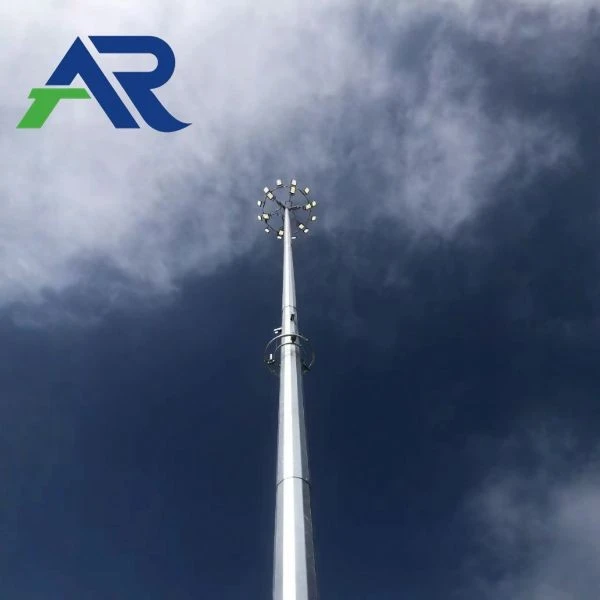
While traffic signal poles are our primary focus, it's worth mentioning other related pole types. Municipal Light Pole is another important category. These poles are used for street lighting in cities and towns. Similar to traffic signal poles, municipal light poles can also benefit from pre - fabrication. The advantages of cost - efficiency, time savings, and quality control apply equally to municipal light poles.
Conclusion
In conclusion, traffic signal pole types can indeed be pre - fabricated, and this approach offers numerous advantages. The benefits of cost - efficiency, time savings, quality control, and safety make pre - fabricated poles an attractive option for traffic infrastructure projects. While there are some challenges such as transportation and customization, these can be effectively managed with proper planning and the use of modern manufacturing techniques.
As a supplier of Traffic Signal Pole Types, we are committed to providing high - quality pre - fabricated poles that meet the diverse needs of our clients. Whether you are a government agency, a contractor, or a private developer, we can work with you to design and manufacture the perfect traffic signal poles for your project.
If you are interested in learning more about our pre - fabricated traffic signal poles or would like to discuss a potential project, please feel free to contact us. We look forward to the opportunity to work with you and contribute to the success of your traffic infrastructure project.
References
- "Pre - Fabrication in Construction: A Review of Benefits and Challenges" - Construction Management and Economics Journal
- "Traffic Signal Pole Design and Installation Guidelines" - Transportation Research Board
- "The Future of Smart City Infrastructure: Smart Light Poles" - Urban Planning Review