
Hey there! I'm a supplier of Stainless Steel Factory Chimney, and today I'm gonna walk you through the process of installing a stainless steel factory chimney on a flat roof. It might seem like a daunting task, but with the right know - how and tools, you can get it done without too much hassle.
Step 1: Planning and Preparation
First things first, you gotta plan out the whole installation. Check the local building codes and regulations. These rules are in place to ensure safety and compliance, so you don't want to skip this step. You'll need to get any necessary permits before you start the work. Trust me, it's better to do things by the book from the start.
Next, measure the area on the flat roof where you plan to install the chimney. Make sure it's a clear and level space, free from any obstructions like pipes or vents. You also need to figure out the height of the chimney. The height depends on a few factors, such as the type of factory equipment you're using and the amount of exhaust it produces. A taller chimney generally helps with better draft and dispersion of exhaust gases.
Once you've got the measurements and the go - ahead from the local authorities, it's time to gather your tools. You'll need a drill, wrenches, a level, a tape measure, and some sealant. Oh, and don't forget safety gear like gloves and goggles. Safety should always be your top priority.
Step 2: Choosing the Right Chimney
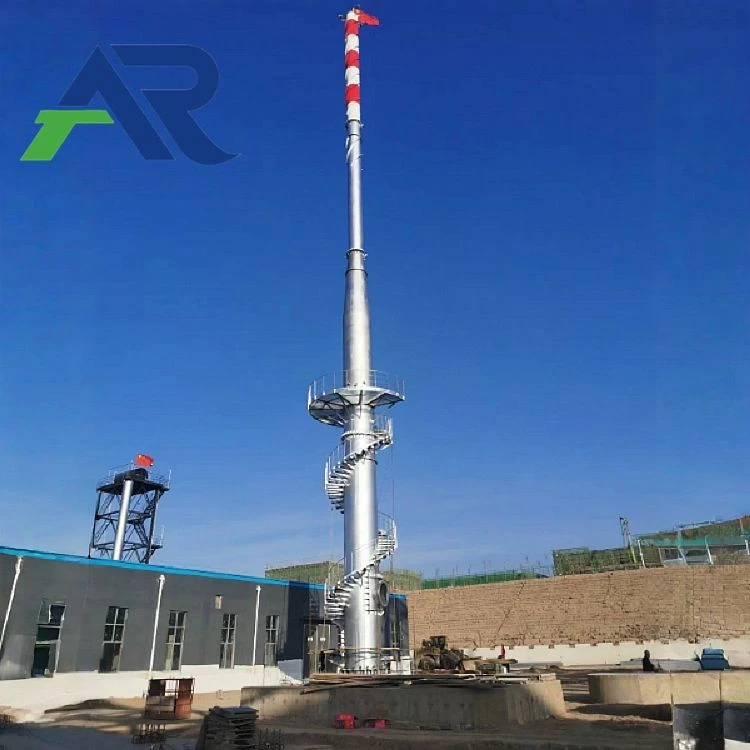
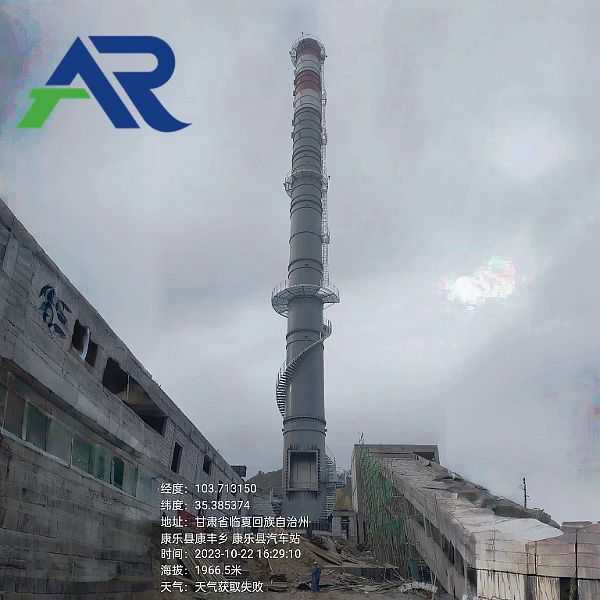
There are different types of stainless steel factory chimneys available. You've got the Single Sleeve Chimney, which is a simple and cost - effective option. It's great for smaller factories or applications with lower exhaust volumes.
Then there's the Multi - sleeve Chimney. This one is more complex but offers better insulation and can handle higher exhaust temperatures. If you've got a large factory with heavy - duty equipment, a multi - sleeve chimney might be the way to go.
When choosing a chimney, consider the size of your factory, the type of fuel you're using, and the environmental conditions. For example, if you're in an area with high winds, you'll need a chimney that's designed to be more stable.
Step 3: Marking and Cutting the Roof
Now that you've got your chimney, it's time to mark the location on the roof. Use your measurements and a chalk line to create a clear outline of where the chimney base will sit. Double - check your measurements to make sure everything is accurate.
Once you're happy with the markings, it's time to cut the roof. Be really careful when doing this. Use a suitable cutting tool, like a reciprocating saw, and follow the chalk line. Make sure you cut through all the layers of the roof, but be careful not to damage any underlying structures.
Step 4: Installing the Chimney Base
After cutting the roof, clean up the area to remove any debris. Then, place the chimney base onto the opening in the roof. Use a level to make sure it's perfectly horizontal. You don't want the chimney to be tilted, as it can cause problems with the draft and stability.
Secure the base to the roof using bolts or screws. Make sure they're tightened properly, but don't over - tighten them, as it could damage the roof or the base. Apply a generous amount of sealant around the edges of the base to prevent any water from leaking into the building.
Step 5: Assembling the Chimney Sections
Most stainless steel factory chimneys come in sections. Start by laying out the sections on the ground and making sure they're all in good condition. Connect the sections together using the provided connectors or flanges. Make sure the connections are tight and secure.
As you assemble the chimney, you might need to use a crane or a hoist to lift the sections into place. If you're not experienced with using these tools, it's a good idea to hire a professional. Safety is key here, and you don't want to risk dropping a heavy chimney section.
Step 6: Attaching the Chimney to the Base
Once the chimney sections are assembled, carefully lift the chimney onto the base. Align it properly with the base and use bolts or clamps to secure it. Again, make sure everything is tight and stable.
Check the chimney for plumbness using a level. If it's not perfectly vertical, make the necessary adjustments. A vertical chimney is essential for proper draft and efficient operation.
Step 7: Sealing and Insulating
After attaching the chimney to the base, it's time to seal all the joints and connections. Use a high - quality sealant that's designed for high - temperature applications. This will prevent any exhaust gases from leaking out and also help with insulation.
If you've chosen a multi - sleeve chimney, you'll also need to install the insulation between the sleeves. This helps to keep the exhaust gases at the right temperature and reduces heat loss.
Step 8: Testing and Final Checks
Before you start using the chimney, it's crucial to test it. Start up your factory equipment and let it run for a while. Check for any signs of leaks, unusual noises, or poor draft. If you notice any problems, shut down the equipment immediately and make the necessary repairs.
Inspect the chimney and the roof for any signs of damage or wear. Make sure all the connections are still tight and the sealant is holding up. It's also a good idea to have a professional inspect the chimney once it's installed to ensure everything is up to code.
Wrapping Up and Reaching Out
Installing a stainless steel factory chimney on a flat roof is a big project, but if you follow these steps, you can do it successfully. Remember, safety and compliance are the most important things.
If you're in the market for a Stainless Steel Factory Chimney, I'm here to help. As a supplier, I've got a wide range of options to suit your needs. Whether you need a single - sleeve chimney for a small factory or a multi - sleeve chimney for a large industrial setup, I can provide you with high - quality products.
If you have any questions or want to discuss your specific requirements, feel free to reach out. I'm more than happy to have a chat and help you find the perfect chimney for your factory.
References
- Local building codes and regulations
- Manufacturer's installation guides for stainless steel factory chimneys
- Industry standards for chimney installation and safety