
Hey there! As a supplier of free standing chimneys, I've gotten a bunch of questions about extending the height of these chimneys. It's a common need, whether it's for better ventilation, meeting local regulations, or just enhancing the overall functionality of the chimney. So, I thought I'd share some tips and insights on how to go about extending the height of a free standing chimney.
Why Extend the Height?
Before we dive into the how-to, let's quickly talk about why you might want to extend the height of your free standing chimney. One of the main reasons is to improve ventilation. A taller chimney creates a stronger draft, which helps to remove smoke, fumes, and other pollutants more effectively. This is especially important in industrial settings where large amounts of exhaust need to be expelled.
Another reason is to comply with local building codes and regulations. Some areas have specific requirements for chimney height based on factors like the type of fuel being burned and the proximity to other structures. By extending the chimney, you can ensure that you're meeting these requirements and avoiding any potential fines or legal issues.
Assessing the Chimney
The first step in extending the height of a free standing chimney is to assess its current condition. You need to make sure that the chimney is structurally sound and can support the additional weight and stress of the extension. Look for any signs of damage, such as cracks, leaks, or corrosion. If you notice any issues, it's important to address them before proceeding with the extension.
You'll also need to consider the type of chimney you have. There are different types of free standing chimneys, including Stainless Steel Factory Chimney, Single Sleeve Chimney, and Multi-sleeve Chimney. Each type has its own unique characteristics and requirements, so it's important to understand the specific needs of your chimney before making any modifications.
Planning the Extension
Once you've assessed the chimney and determined that it's suitable for an extension, it's time to start planning the project. You'll need to decide on the height of the extension, as well as the materials and design. Consider factors like the type of fuel being burned, the local climate, and the overall aesthetic of the chimney.
It's also a good idea to consult with a professional engineer or contractor who has experience with chimney extensions. They can help you ensure that the extension is designed and installed correctly, and that it meets all relevant safety standards and regulations.
Choosing the Right Materials
The materials you choose for the chimney extension are crucial for its durability and performance. Stainless steel is a popular choice for chimney extensions because it's corrosion-resistant, lightweight, and easy to install. It's also available in a variety of thicknesses and finishes, so you can choose the one that best suits your needs.
Other materials that can be used for chimney extensions include brick, concrete, and masonry. These materials are more traditional and can provide a more rustic or classic look. However, they are also heavier and more difficult to install, so they may not be suitable for all applications.
Installing the Extension
Once you've chosen the materials and planned the extension, it's time to start the installation process. The installation of a chimney extension is a complex and potentially dangerous task, so it's important to hire a professional contractor who has experience with chimney installations.
The contractor will start by preparing the chimney for the extension. This may involve removing any existing chimney caps or covers, and cleaning the top of the chimney. They will then install the new chimney section, making sure that it is properly aligned and secured to the existing chimney.
After the new chimney section is installed, the contractor will install any necessary flashing, seals, or insulation to prevent leaks and ensure proper ventilation. They will also test the chimney to make sure that it is functioning properly and that there are no leaks or other issues.
Maintenance and Safety
Once the chimney extension is installed, it's important to maintain it properly to ensure its long-term performance and safety. This includes regular inspections, cleaning, and repairs as needed. You should also make sure that the chimney is properly vented and that there are no blockages or obstructions.
It's also important to follow all safety guidelines and regulations when using the chimney. This includes using the correct type of fuel, keeping the chimney clean and free of debris, and never leaving a fire unattended.
Conclusion
Extending the height of a free standing chimney can be a great way to improve ventilation, comply with regulations, and enhance the overall functionality of the chimney. However, it's a complex and potentially dangerous task that should only be undertaken by a professional contractor. By following the tips and guidelines outlined in this blog post, you can ensure that your chimney extension is installed correctly and that it provides years of reliable performance.
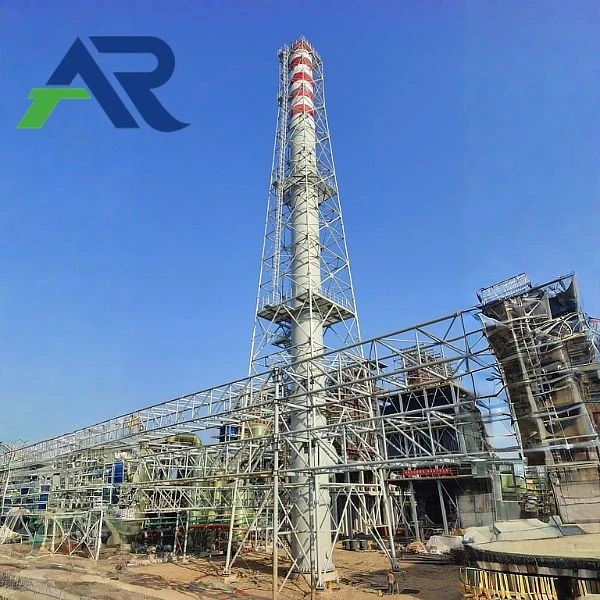
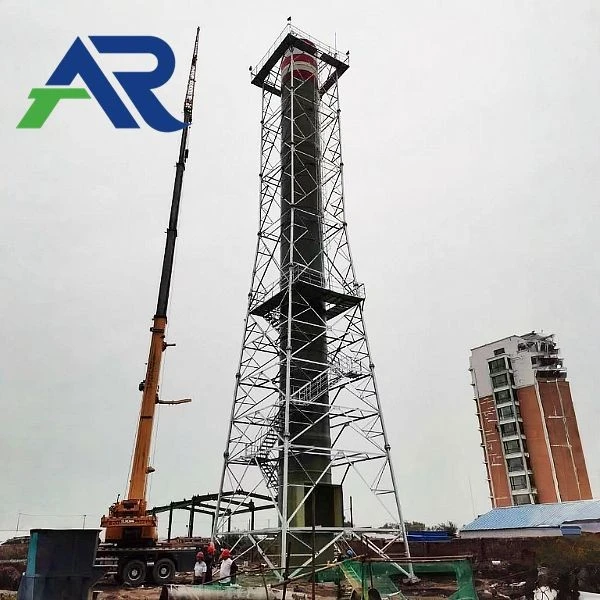
If you're interested in extending the height of your free standing chimney or have any other questions about our products and services, please don't hesitate to contact us. We'd be happy to help you find the right solution for your needs.
References
- "Chimney Safety Institute of America." Accessed [Date].
- "National Fire Protection Association." Accessed [Date].
- "International Building Code." Accessed [Date].