

As a supplier of Fiberglass Tower Chimneys, ensuring the safety of our products during use is of utmost importance. Fiberglass tower chimneys are widely used in various industries due to their excellent corrosion resistance, lightweight, and relatively low cost. However, like any industrial equipment, proper safety measures must be taken to guarantee their reliable and safe operation. In this blog, I will share some key aspects on how to ensure the safety of using a fiberglass tower chimney.
1. Quality Assurance in Manufacturing
The foundation of safety starts from the manufacturing process. At our company, we adhere to strict quality control standards. We carefully select high - quality fiberglass materials that meet industry specifications. The fiberglass used should have sufficient strength, durability, and chemical resistance to withstand the harsh conditions it will be exposed to.
We use advanced manufacturing techniques to ensure the structural integrity of the chimney. For example, the lay - up process of fiberglass layers is precisely controlled. Each layer is applied evenly, and the resin - to - fiber ratio is carefully monitored. This ensures that the chimney has consistent strength throughout its structure. After manufacturing, the chimneys undergo a series of non - destructive testing methods, such as ultrasonic testing and visual inspection, to detect any potential defects or flaws.
2. Proper Installation
Proper installation is crucial for the safe operation of a fiberglass tower chimney. First, a detailed site survey should be conducted before installation. This includes assessing the soil conditions, wind loads, and seismic activity in the area. Based on the survey results, a suitable foundation should be designed and constructed. The foundation must be able to support the weight of the chimney and resist the forces acting on it, such as wind and seismic forces.
During the installation process, trained and experienced technicians should be involved. They should follow the installation manual provided by the manufacturer strictly. The chimney sections should be assembled correctly, with proper alignment and sealing. All connections should be tightened to the specified torque to prevent leakage. For example, the flange connections between chimney sections should be sealed with appropriate gaskets to prevent the escape of harmful gases.
3. Regular Inspection and Maintenance
Regular inspection and maintenance are essential to ensure the long - term safety of a fiberglass tower chimney. A comprehensive inspection plan should be established, which includes both visual inspections and more in - depth testing.
Visual inspections should be carried out at regular intervals, such as monthly or quarterly, depending on the operating conditions. During visual inspections, technicians should check for signs of damage, such as cracks, delamination, or corrosion on the surface of the chimney. They should also inspect the connections, supports, and accessories for any signs of wear or loosening.
In addition to visual inspections, more in - depth testing should be conducted periodically. This may include thickness measurements of the fiberglass wall using ultrasonic thickness gauges. Thinning of the wall can indicate potential structural weakness. Non - destructive testing methods, such as dye penetrant testing or radiographic testing, can also be used to detect internal defects.
Maintenance work should be carried out promptly based on the inspection results. Minor damages, such as small cracks, can be repaired using appropriate fiberglass repair kits. For more severe damages, professional repair services may be required. Regular cleaning of the chimney is also important to prevent the accumulation of debris, which can affect the performance and safety of the chimney.
4. Monitoring of Operating Conditions
Monitoring the operating conditions of the fiberglass tower chimney is another important aspect of safety. The temperature, pressure, and flow rate of the gases passing through the chimney should be continuously monitored. Abnormal operating conditions, such as over - temperature or over - pressure, can cause damage to the chimney.
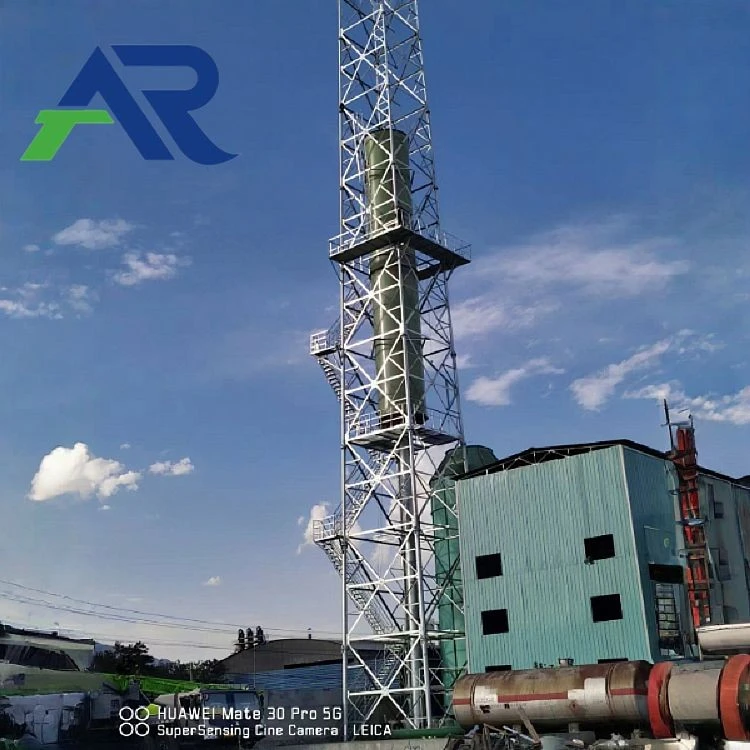
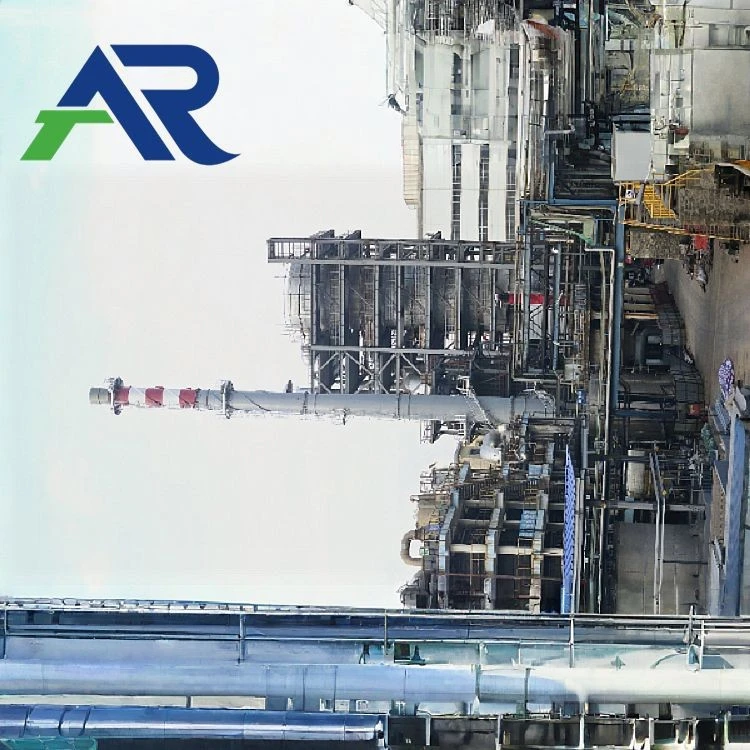
For example, if the temperature of the exhaust gases exceeds the maximum allowable temperature of the fiberglass material, it can lead to softening or degradation of the fiberglass, reducing its strength. Pressure sensors and temperature sensors should be installed in the chimney to provide real - time data. Alarm systems should be set up to alert operators when the operating conditions deviate from the normal range.
5. Training for Operators
Proper training for operators is vital to ensure the safe use of a fiberglass tower chimney. Operators should be trained on the basic principles of the chimney's operation, as well as the safety procedures. They should know how to start and stop the chimney system correctly, how to monitor the operating conditions, and how to respond to emergencies.
Training programs should include both theoretical knowledge and practical hands - on training. Operators should be familiar with the safety features of the chimney, such as emergency shut - off valves and ventilation systems. They should also be trained on how to perform basic maintenance tasks, such as visual inspections and cleaning.
6. Comparison with Other Types of Tower Chimneys
When considering the safety of fiberglass tower chimneys, it is also useful to compare them with other types of tower chimneys, such as the Titanium Steel Composite Plate Tower Chimney. Titanium steel composite plate tower chimneys offer high strength and excellent corrosion resistance, especially in highly corrosive environments. However, they are generally heavier and more expensive than fiberglass tower chimneys.
Fiberglass tower chimneys, on the other hand, are more lightweight and have good corrosion resistance in many common industrial environments. Their relatively low cost makes them a popular choice for many applications. While titanium steel composite plate tower chimneys may be more suitable for extremely harsh conditions, fiberglass tower chimneys can provide a cost - effective and safe solution for a wide range of industries.
Conclusion
Ensuring the safety of using a fiberglass tower chimney requires a comprehensive approach that includes quality manufacturing, proper installation, regular inspection and maintenance, monitoring of operating conditions, and training for operators. By following these measures, we can minimize the risks associated with the use of fiberglass tower chimneys and ensure their reliable and safe operation.
If you are interested in our Fiberglass Tower Chimney products or have any questions about their safety and performance, please feel free to contact us for further discussion and potential procurement opportunities.
References
- "Handbook of Fiberglass Reinforced Plastics" by James A. Pankow
- "Industrial Chimney Design and Safety Standards" by the American Society of Mechanical Engineers (ASME)
- "Corrosion Resistance of Fiberglass Materials in Industrial Environments" - Research paper from a leading materials science journal