

Hey there! As a supplier of corrugated pipes for coal mine corridors, I've seen my fair share of issues with damaged pipes. It's a real headache for everyone involved, from the miners to the management. But don't worry, I'm here to share some tips on how to deal with these pesky problems.
First off, let's talk about what causes these damages in the first place. Coal mine corridors are tough environments. There's a lot of heavy machinery moving around, constant vibrations, and sometimes even water seepage. All these factors can take a toll on the corrugated pipes. For example, heavy equipment might accidentally hit the pipes, causing dents or cracks. Vibration over time can loosen the joints, leading to leaks. And water seepage can corrode the pipes, weakening their structure.
So, how do we spot these damages? Well, regular inspections are key. You can't just install the pipes and forget about them. Set up a schedule for routine checks. Look for obvious signs like visible cracks, leaks, or deformation. Sometimes, the damage might not be so visible. You can use special equipment like ultrasonic testing devices to detect internal damage. These tools can help you find problems that are hidden from the naked eye.
Once you've identified the damage, it's time to decide on the best course of action. There are a few different ways to deal with damaged corrugated pipes, and the method you choose depends on the extent of the damage.
Minor Damage
If the damage is minor, like a small crack or a loose joint, you might be able to repair it on - site. For small cracks, you can use a high - quality pipe repair tape. This tape is designed to seal the crack and prevent further damage. Just clean the area around the crack thoroughly, making sure there's no dirt or debris. Then, wrap the tape tightly around the crack, following the manufacturer's instructions.
For loose joints, you can try tightening the bolts or clamps. Sometimes, the vibrations in the coal mine corridor can cause these fasteners to loosen over time. Use the right tools to tighten them properly, but be careful not to overtighten, as this can cause more damage.
Moderate Damage
When the damage is a bit more severe, like a larger crack or a section of the pipe that's deformed, you might need to replace a part of the pipe. This is where having spare parts on hand is really important. As a supplier, I always recommend that my customers keep a stock of common pipe sections and fittings.
To replace a section of the pipe, first, shut off the flow of any fluids (if applicable) in the pipe. Then, carefully cut out the damaged section using a pipe cutter. Make sure the cut is clean and straight. Next, insert the new pipe section and connect it to the existing pipe using the appropriate fittings. Seal the joints properly to prevent leaks.

Severe Damage
In cases of severe damage, where a large portion of the pipe is damaged or the pipe is completely broken, you'll probably need to replace the entire pipe. This is a more complex and time - consuming process, but it's necessary to ensure the safety and functionality of the coal mine corridor.
When replacing the whole pipe, you need to plan the installation carefully. First, remove the damaged pipe. This might involve some heavy - lifting equipment, especially if the pipe is large. Then, prepare the area for the new pipe installation. Make sure the foundation is level and stable. Install the new pipe, following the correct alignment and connection procedures.
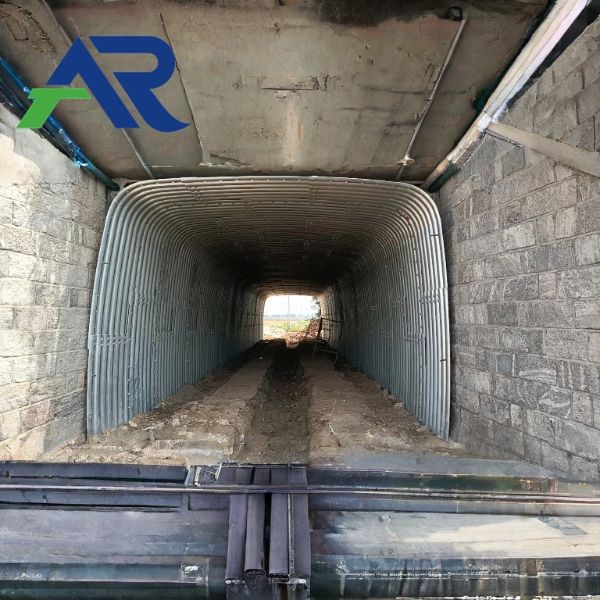
Now, let me tell you a bit about the types of corrugated pipes we supply. We offer a range of high - quality corrugated pipes suitable for coal mine corridors. Our Bridge Culvert Steel Corrugated Culvert is known for its durability and strength. It can withstand the harsh conditions in coal mines, including heavy loads and vibrations.
Our Steel Corrugated Culvert is another great option. It has excellent corrosion resistance, which is crucial in an environment where water seepage might be an issue. And if you're involved in projects related to wind tower foundations in the coal mine area, our Wind Tower Foundation Corrugated Outer Tube is specifically designed to meet those needs.
Preventing damage in the first place is always better than dealing with it after it happens. Here are some preventive measures you can take. First, make sure the pipes are installed correctly. Hire experienced professionals for the installation. They know how to handle the pipes properly and ensure they're installed at the right angle and with the correct support.
Second, provide proper protection for the pipes. You can use protective barriers or shields to prevent accidental impacts from heavy machinery. Also, consider installing shock - absorbing materials around the pipes to reduce the effects of vibrations.
Finally, keep the environment around the pipes clean. Remove any debris or dirt that might accumulate around the pipes. This can help prevent corrosion and other types of damage.
As a supplier, I understand that dealing with damaged corrugated pipes in a coal mine corridor can be a hassle. But with the right knowledge and the right products, you can minimize the problems. If you're in the market for high - quality corrugated pipes for your coal mine corridor, or if you have any questions about pipe installation, maintenance, or repair, don't hesitate to get in touch. We're here to help you find the best solutions for your needs.
In conclusion, dealing with damaged corrugated pipes in a coal mine corridor requires a combination of regular inspections, proper repair and replacement techniques, and preventive measures. By following these tips, you can ensure the smooth operation of your coal mine corridor and extend the lifespan of your pipes.
References
- "Corrugated Pipe Installation and Maintenance Guide", Industry Standards Publication
- "Safety in Coal Mine Corridors: Pipe Management", Coal Mining Safety Journal