
As a provider of cluster chimneys, I understand the importance of maintaining these essential industrial components. A clean cluster chimney not only ensures efficient operation but also extends its lifespan and contributes to a safer working environment. In this blog, I'll share some effective methods on how to clean a cluster chimney.
Understanding the Cluster Chimney
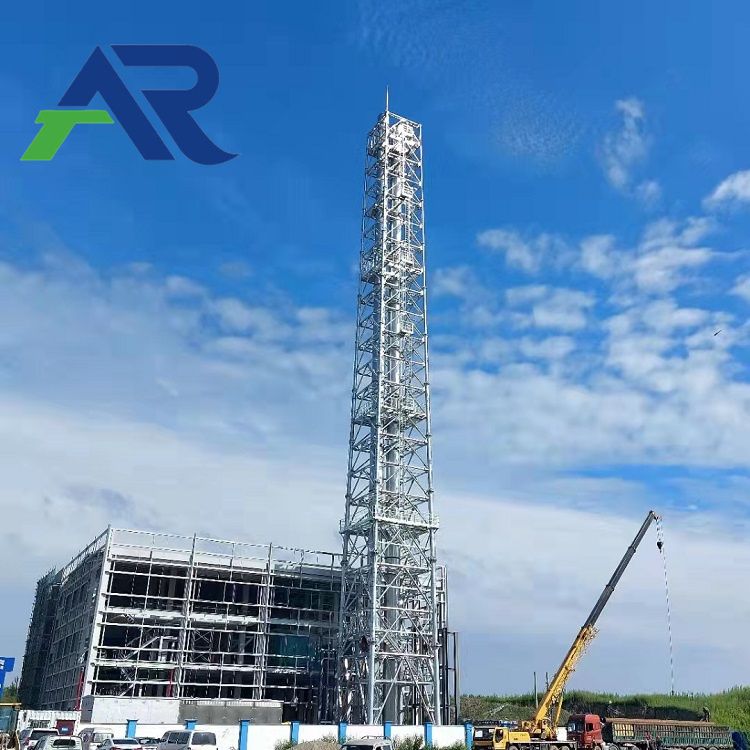
Before diving into the cleaning process, it's crucial to understand the different types of cluster chimneys we offer. We provide Stainless Steel Chimneys, known for their durability and resistance to corrosion. Our Titanium Steel Composite Plate Chimney combines the strength of steel with the excellent corrosion - resistance of titanium, making it suitable for harsh industrial environments. And the Fiberglass Chimney is lightweight, corrosion - resistant, and easy to install. Each type has its own characteristics, which may influence the cleaning approach.

Pre - cleaning Preparation
- Safety First
Safety is paramount when cleaning a cluster chimney. First, ensure that all relevant safety regulations are followed. This includes wearing appropriate personal protective equipment (PPE), such as hard hats, safety goggles, respirators, and work gloves. The respirator is especially important as the chimney may contain harmful dust and fumes. - Inspection
Conduct a thorough inspection of the chimney before cleaning. Look for signs of damage, such as cracks, leaks, or loose parts. This inspection can help identify any potential issues that may need to be addressed during or after the cleaning process. For example, if there are cracks, they may need to be repaired to prevent further damage and ensure the chimney's structural integrity. - Shut Down the System
Before starting the cleaning, shut down the industrial system connected to the chimney. This prevents the flow of hot gases and debris during the cleaning process, reducing the risk of accidents and ensuring a more effective cleaning.
Cleaning Methods
Manual Cleaning
- Brushing
For the initial stage of cleaning, use stiff - bristle brushes. These brushes can effectively remove loose soot, dust, and debris from the inner walls of the chimney. Start from the top of the chimney and work your way down. This method is suitable for light - to - moderate levels of dirt and is relatively simple and cost - effective. - Scraping
In cases where there are stubborn deposits, such as tar or hardened soot, scraping tools can be used. However, be careful when using scraping tools on different chimney materials. For example, when cleaning a stainless - steel chimney, use non - abrasive scraping tools to avoid scratching the surface, which could lead to corrosion over time.
Chemical Cleaning
- Selecting the Right Chemicals
Choose chemicals that are compatible with the chimney material. For stainless - steel chimneys, mild acidic or alkaline cleaners can be used to dissolve stubborn stains. However, for fiberglass chimneys, use cleaners specifically designed for fiberglass to prevent damage. Always follow the manufacturer's instructions when using chemicals. - Application
Apply the chemical cleaner to the inner walls of the chimney using a sprayer or a brush. Let the cleaner sit for the recommended time to allow it to break down the dirt and deposits. Then, rinse the chimney thoroughly with water. Make sure to collect and properly dispose of the wastewater to prevent environmental pollution.
High - Pressure Water Cleaning
- Equipment Setup
Use a high - pressure water cleaning system. This system typically consists of a high - pressure pump, a hose, and a nozzle. Adjust the pressure according to the chimney material and the level of dirt. For example, a lower pressure may be sufficient for fiberglass chimneys, while a higher pressure can be used for steel chimneys. - Cleaning Process
Direct the high - pressure water jet at the inner walls of the chimney, starting from the top and moving down. The high - pressure water can effectively remove stubborn dirt and debris. However, be careful not to damage the chimney structure with excessive pressure.
Post - cleaning Steps
- Drying
After cleaning, ensure that the chimney is thoroughly dried. Moisture left in the chimney can lead to corrosion, especially for metal chimneys. Use fans or natural ventilation to speed up the drying process. - Re - inspection
Conduct a second inspection after cleaning and drying. Check for any remaining dirt, damage, or signs of corrosion. If any issues are found, address them immediately. - Lubrication and Maintenance
For chimneys with moving parts, such as dampers, apply lubricant to ensure smooth operation. Also, establish a regular maintenance schedule to keep the chimney in good condition.
Importance of Regular Cleaning
Regular cleaning of cluster chimneys offers several benefits. Firstly, it improves the chimney's efficiency. A clean chimney allows for better gas flow, reducing energy consumption and improving the overall performance of the industrial system. Secondly, it enhances safety. By removing flammable deposits such as soot, the risk of chimney fires is significantly reduced. Thirdly, it extends the chimney's lifespan. Preventing corrosion and damage through regular cleaning can save costs on chimney replacement in the long run.
Conclusion
Cleaning a cluster chimney is a complex but necessary task. By following the proper cleaning methods and safety procedures, you can ensure the optimal performance and longevity of your chimney. Whether you have a Stainless Steel Chimney, a Titanium Steel Composite Plate Chimney, or a Fiberglass Chimney, our team can provide you with professional advice and high - quality products.
If you are interested in our cluster chimneys or need more information on chimney cleaning and maintenance, please feel free to contact us for procurement and further discussions. We are committed to providing you with the best solutions for your industrial needs.
References
- Industrial Chimney Maintenance Handbook
- Safety Guidelines for Chimney Cleaning and Inspection