

Hey there! As a supplier of corrugated steel culverts, I often get asked, "How long does a corrugated steel culvert last?" Well, let's dive right into it and explore the factors that influence the lifespan of these nifty structures.
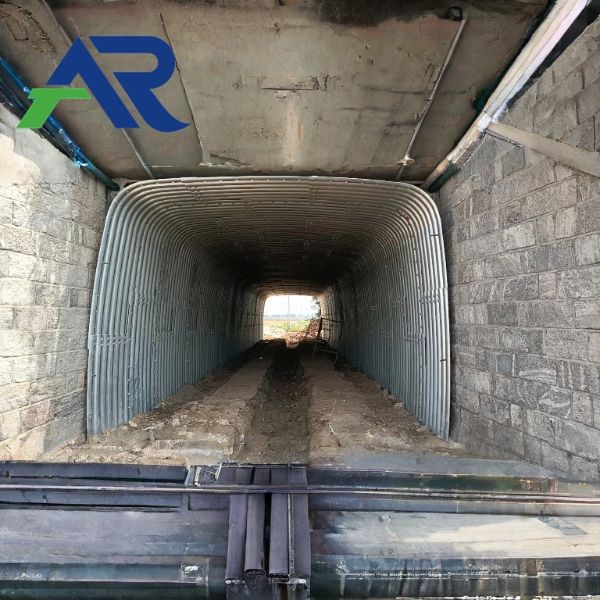
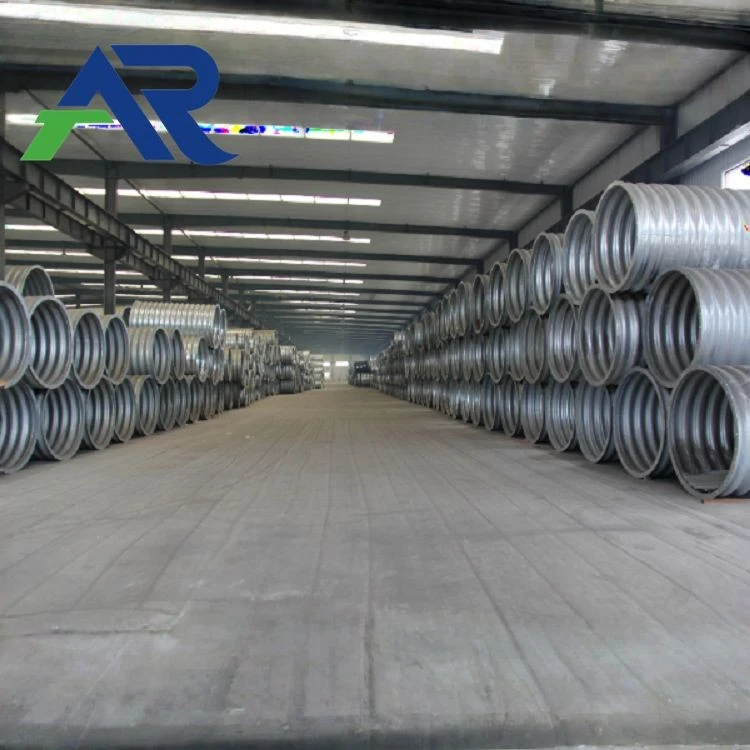
First off, what are corrugated steel culverts? They're basically pipes or structures made of corrugated steel, which is steel that has been formed into a series of parallel ridges and grooves. This corrugation gives the steel extra strength and flexibility, making it ideal for use in a variety of applications, like drainage systems, under - road passages, and even in some unique projects such as Bridge Culvert Steel Corrugated Culvert, Corrugated Pipe for Subway Passage, and Wind Tower Foundation Corrugated Outer Tube.
Now, back to the main question - how long do they last? Well, the lifespan of a corrugated steel culvert can vary quite a bit, but on average, they can last anywhere from 25 to 75 years. That's a pretty wide range, right? So, what causes this variation?
Material Quality
The quality of the steel used is a huge factor. High - grade steel that's properly treated and coated will last much longer than lower - quality stuff. For example, steel that has a good galvanized coating is more resistant to rust and corrosion. Galvanization is a process where a layer of zinc is applied to the steel. This zinc layer acts as a sacrificial anode, which means it corrodes first, protecting the underlying steel. If you skimp on the quality of the steel or the coating, you're likely to see problems much sooner.
Installation
How the culvert is installed also plays a big role. If it's not installed correctly, it can lead to all sorts of issues. For instance, if the culvert isn't properly aligned or if the bedding material isn't right, it can cause uneven stress on the structure. This uneven stress can lead to premature wear and tear, cracking, or even collapse. A professional installation team will make sure that the culvert is installed at the right slope, with the proper support, and that all the connections are secure.
Environmental Conditions
The environment where the culvert is located is another major factor. If it's in an area with a lot of moisture, like near a river or in a coastal region, the culvert is more likely to corrode. Saltwater, in particular, is very corrosive to steel. On the other hand, if the culvert is in a dry, arid area, it'll probably last longer. Temperature extremes can also have an impact. Freezing and thawing cycles can cause the steel to expand and contract, which can lead to cracks over time.
Traffic Load
If the culvert is under a road or a railway, the traffic load it has to bear is important. Heavy traffic can put a lot of stress on the culvert. Over time, this constant stress can cause the steel to fatigue, leading to cracks and other structural problems. The frequency and weight of the vehicles passing over the culvert need to be considered when designing and installing it.
Maintenance
Proper maintenance can significantly extend the lifespan of a corrugated steel culvert. Regular inspections can help catch any problems early on. For example, if you notice some signs of corrosion, you can treat it before it spreads. Cleaning the culvert to remove debris and sediment can also prevent blockages, which can cause water to back up and put extra pressure on the structure.
Case Studies
Let's look at a couple of real - world examples. In a rural area with low traffic and a relatively dry climate, a corrugated steel culvert that was installed 50 years ago is still in good condition. The steel was of high quality, and it was installed correctly. There have been some minor signs of corrosion, but regular maintenance has kept it functioning well.
On the other hand, in a coastal town with high humidity and heavy traffic, a culvert that was installed 15 years ago is showing significant signs of wear. The saltwater in the air has corroded the steel, and the heavy traffic has caused some cracking. This culvert will probably need to be replaced soon.
Extending the Lifespan
So, how can you make your corrugated steel culvert last as long as possible? Here are some tips:
- Choose High - Quality Materials: Don't cut corners when it comes to the steel and the coating. Pay a little more upfront for better materials, and you'll save money in the long run.
- Hire a Professional Installation Team: Make sure the people installing the culvert know what they're doing. A proper installation is crucial for the long - term performance of the structure.
- Regular Maintenance: Set up a maintenance schedule. Inspect the culvert regularly, clean it, and address any issues as soon as you notice them.
- Monitor the Environment: Keep an eye on the environmental conditions around the culvert. If you know there are factors that could cause corrosion or damage, take steps to mitigate them.
Conclusion
In conclusion, the lifespan of a corrugated steel culvert can vary depending on material quality, installation, environmental conditions, traffic load, and maintenance. With proper care and attention, you can expect your culvert to last for several decades.
If you're in the market for a corrugated steel culvert, whether it's for a simple drainage project or a more complex application like those mentioned earlier, we're here to help. We offer high - quality corrugated steel culverts that are designed to last. Get in touch with us to discuss your project and find the right culvert solution for you. Let's work together to ensure your project is a success!
References
- "Corrugated Steel Culvert Design and Construction Guide", Department of Transportation, State XYZ.
- "Long - Term Performance of Corrugated Steel Structures in Different Environments", Journal of Civil Engineering Research.