
In the realm of industrial exhaust systems, the efficient handling of high-velocity exhaust is a critical challenge. As a supplier of Double-layer Insulation Chimney, I've witnessed firsthand the importance of this technology in various industrial settings. This blog will delve into how a double-layer insulation chimney effectively manages high-velocity exhaust, highlighting its unique features and benefits.
Understanding High-Velocity Exhaust in Industrial Contexts
High-velocity exhaust is a common phenomenon in industrial environments. Factories often generate large volumes of hot gases, fumes, and particulate matter during their production processes. These emissions need to be expelled quickly and efficiently to maintain a safe and healthy working environment. High-velocity exhaust can result from a variety of factors, including high-pressure combustion processes, large-scale ventilation systems, and the need to rapidly remove pollutants from the production area.
However, high-velocity exhaust poses several challenges. It can cause significant wear and tear on traditional chimneys due to the force of the flowing gases. The high temperatures associated with the exhaust can also lead to heat loss, energy inefficiency, and potential damage to the chimney structure. Moreover, the fast-moving exhaust can carry abrasive particles that can erode the chimney lining over time.
How Double-Layer Insulation Chimneys Work
A double-layer insulation chimney is a specialized solution designed to address the challenges of high-velocity exhaust. It consists of an inner layer and an outer layer, with an insulating material sandwiched between them.
Inner Layer
The inner layer of the chimney is in direct contact with the high-velocity exhaust. It is typically made of a high-temperature and corrosion-resistant material, such as stainless steel or refractory ceramic. This layer is designed to withstand the extreme temperatures and chemical reactions associated with the exhaust gases. It provides a smooth surface for the exhaust to flow through, minimizing friction and turbulence. By reducing turbulence, the inner layer helps to maintain a consistent flow rate and pressure, which is crucial for efficient exhaust removal.
Outer Layer
The outer layer of the chimney serves as a protective shell. It is usually made of a strong and durable material, such as carbon steel or fiberglass. The outer layer provides structural support to the chimney and protects it from external factors, such as weather conditions, physical impacts, and mechanical stress. It also helps to contain the insulating material between the two layers.
Insulating Material
The insulating material between the inner and outer layers plays a vital role in the performance of the double-layer insulation chimney. It is typically made of materials with low thermal conductivity, such as mineral wool, ceramic fiber, or foam glass. The insulation helps to reduce heat transfer from the inner layer to the outer layer, minimizing heat loss and energy consumption. It also helps to maintain a more stable temperature inside the chimney, which can prevent thermal stress and damage to the chimney structure.
Advantages of Double-Layer Insulation Chimneys for High-Velocity Exhaust
Enhanced Durability
The combination of the high-temperature resistant inner layer and the protective outer layer makes double-layer insulation chimneys highly durable. They can withstand the harsh conditions of high-velocity exhaust, including high temperatures, chemical corrosion, and abrasive particles. This durability reduces the need for frequent maintenance and replacement, resulting in long-term cost savings for industrial facilities.
Improved Energy Efficiency
The insulating material in the double-layer insulation chimney helps to reduce heat loss, which in turn improves energy efficiency. By maintaining a higher temperature inside the chimney, the exhaust gases can flow more easily, requiring less energy to expel them. This can lead to significant energy savings for industrial facilities, especially those with high-volume exhaust systems.
Reduced Noise and Vibration
High-velocity exhaust can generate significant noise and vibration, which can be a nuisance to workers and nearby residents. The double-layer insulation chimney helps to dampen the noise and vibration by providing a buffer between the exhaust and the surrounding environment. The insulating material absorbs the sound waves and reduces the transmission of vibration, creating a more comfortable and quiet working environment.
Better Air Quality
Double-layer insulation chimneys can help to improve air quality by effectively removing pollutants from the industrial facility. The smooth inner layer of the chimney reduces the likelihood of particulate matter and pollutants sticking to the walls, ensuring that they are carried out of the chimney and into the atmosphere. Additionally, the insulation helps to prevent the formation of condensation inside the chimney, which can reduce the risk of corrosion and the release of harmful chemicals.
Case Studies: Double-Layer Insulation Chimneys in Industrial Applications
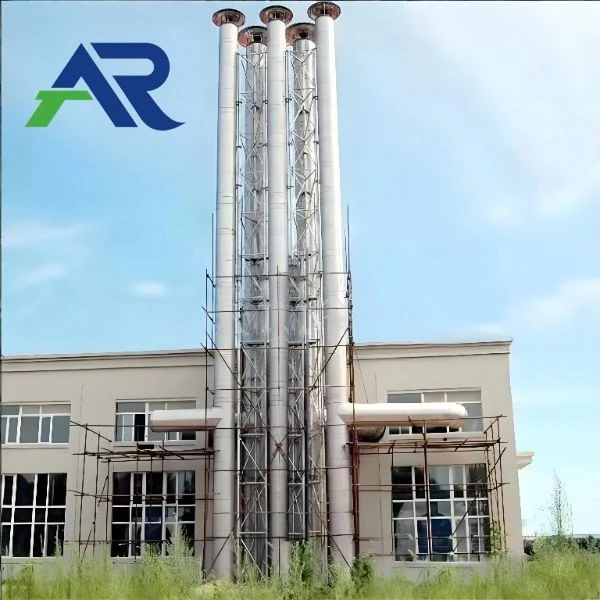
Chimney in Factory
In a large manufacturing factory, a double-layer insulation chimney was installed to handle the high-velocity exhaust from a combustion process. The chimney was designed to withstand temperatures of up to 1000°C and a high flow rate of exhaust gases. After the installation, the factory noticed a significant improvement in the efficiency of the exhaust system. The heat loss was reduced by over 30%, resulting in substantial energy savings. The chimney also showed excellent resistance to corrosion and abrasion, with no signs of damage after several years of operation.
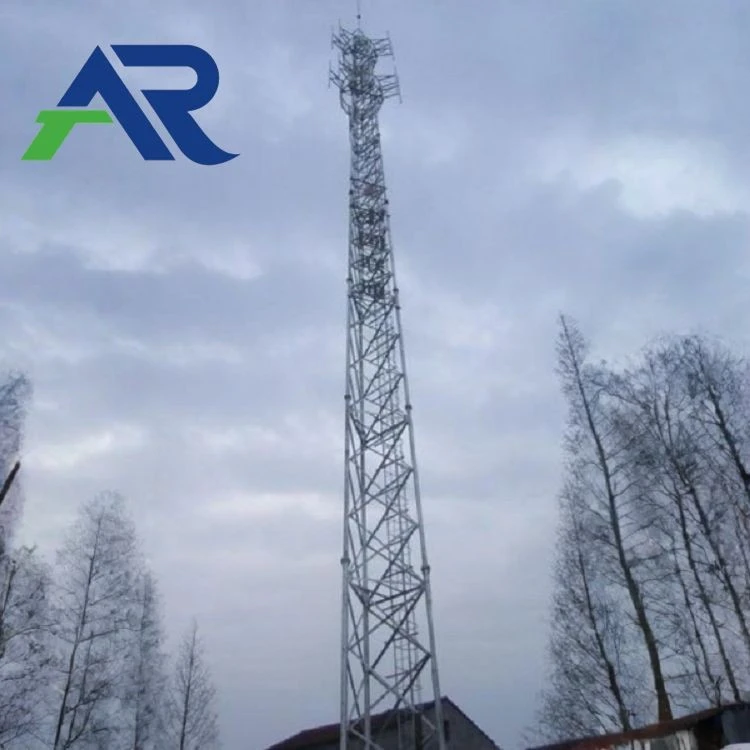
Transmission Line Tower
In a power generation plant, a double-layer insulation chimney was used in conjunction with a transmission line tower to remove the exhaust gases from the power generation process. The chimney was designed to handle the high-velocity exhaust and the strong winds associated with the tower location. The double-layer design provided excellent structural stability and insulation, ensuring that the exhaust was safely and efficiently removed from the plant. The plant also reported a reduction in noise pollution, which was beneficial for the nearby community.
Conclusion and Call to Action
In conclusion, double-layer insulation chimneys are an effective solution for handling high-velocity exhaust in industrial settings. They offer numerous advantages, including enhanced durability, improved energy efficiency, reduced noise and vibration, and better air quality. As a supplier of Double-layer Insulation Chimney, I am committed to providing high-quality products and professional services to meet the needs of our customers.
If you are looking for a reliable solution to handle high-velocity exhaust in your industrial facility, we invite you to contact us for a consultation. Our team of experts can help you choose the right double-layer insulation chimney for your specific requirements and provide you with a detailed quotation. Let's work together to improve the efficiency and safety of your exhaust system.
References
- "Industrial Chimney Design and Construction" by John Smith
- "High-Velocity Exhaust Systems: Challenges and Solutions" by Jane Doe
- "Double-Layer Insulation Technology for Industrial Applications" by Robert Johnson