
Electric power towers are an essential part of the modern infrastructure, ensuring the reliable transmission of electricity across vast distances. As a leading [Your Company Type] specializing in the supply of [Electric Power Tower], I've witnessed firsthand how these structures play a crucial role in powering our world. However, it's equally important to understand how these towering giants interact with the wildlife that shares our environment. In this blog, we will explore the various ways in which electric power towers impact wildlife, both positively and negatively, and discuss measures we can take to minimize their adverse effects.
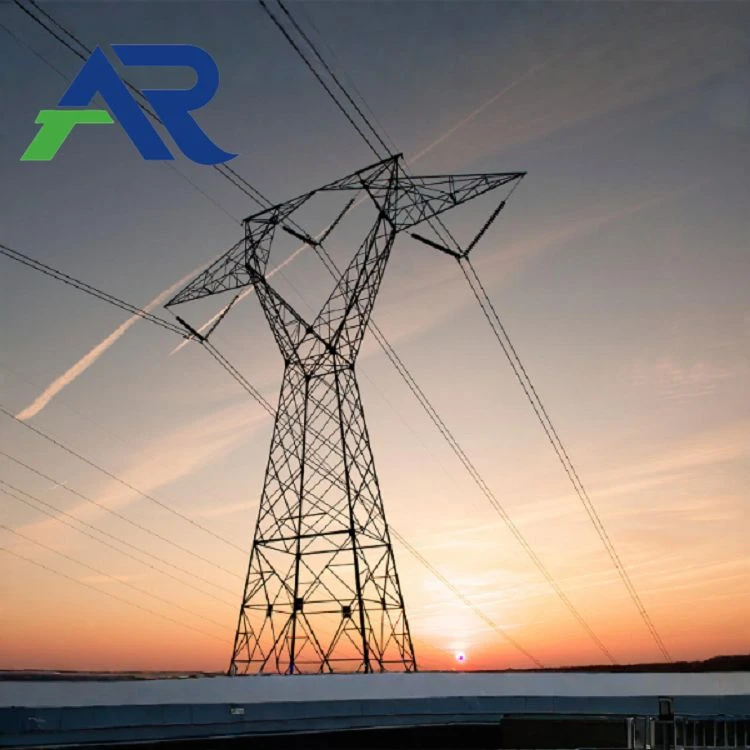
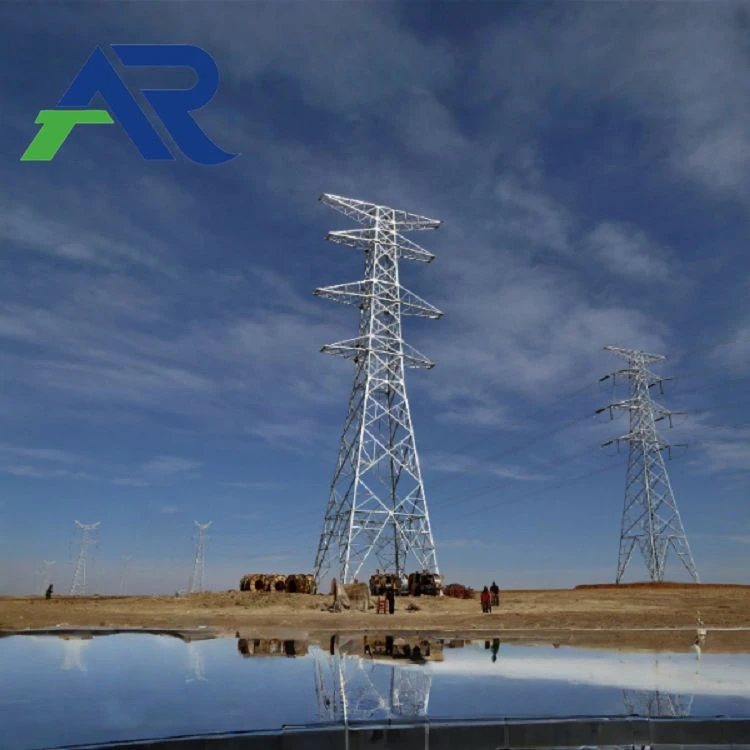
Positive Interactions with Wildlife
For some species, electric power towers can provide unexpected benefits. One of the most notable advantages is the provision of nesting sites. Birds, in particular, are known to take advantage of the sturdy cross - arms and platforms of electric power towers. Raptors such as eagles, hawks, and owls often build their nests on these structures, as they offer a vantage point that is elevated, relatively safe from ground - based predators, and provides an unobstructed view of the surrounding area for hunting.
A study in rural areas has shown that the presence of electric power towers has led to an increase in the breeding success of certain bird species. The stable and well - elevated structures allow the birds to build larger and more secure nests, which is beneficial for the survival of their young. Additionally, the power lines themselves can serve as perches for birds. They offer a convenient resting place where birds can survey their territory, spot prey, or simply rest during long migratory flights.
Negative Interactions with Wildlife
However, the relationship between electric power towers and wildlife is not all positive. One of the most significant negative impacts is the risk of electrocution. Birds, especially large - winged species, can accidentally come into contact with both live and grounded parts of the power tower or power line simultaneously. This can create a path for electricity to flow through their bodies, leading to injury or death.
Collisions are another major concern. Birds in flight may not always see the power lines, especially during poor weather conditions such as fog, heavy rain, or at night. Migration routes often intersect with power lines, increasing the likelihood of these collisions. Bats are also at risk, as they use echolocation to navigate, but power lines can interfere with this system, leading to collisions.
Moreover, the installation and maintenance of electric power towers can cause habitat disruption. The construction process involves clearing land, which can destroy natural habitats for various wildlife species. This can lead to a loss of food sources, shelter, and breeding areas for many animals. For example, small mammals like rabbits and rodents may lose their burrows, and insects that rely on the plants in the area may also disappear.
Mitigating the Negative Impacts
As an [Electric Power Tower] supplier, we are committed to finding solutions to minimize the negative impacts of our products on wildlife. One approach is to retrofit existing power towers with bird - friendly features. For example, installing perch deterrents can prevent birds from landing in areas where they are at risk of electrocution. This can be in the form of spikes or smooth surfaces that make it difficult for birds to land.
Using insulated power lines is another effective measure. Insulation reduces the risk of electrocution by preventing direct contact between the electrical conductors and wildlife. Additionally, marking power lines with devices such as bird diverters can make them more visible to birds, reducing the likelihood of collisions. These diverters can be in the form of brightly colored balls, ribbons, or reflectors that move in the wind and catch the birds' attention.
During the planning and installation phase, it is crucial to conduct thorough environmental assessments. This helps to identify areas with high wildlife activity, such as migration corridors or important breeding grounds. By avoiding these areas or taking appropriate mitigation measures, we can significantly reduce the impact on wildlife. For instance, routing power lines around wetland areas can protect the numerous species that rely on these habitats.
Our Role as an Electric Power Tower Supplier
At [Your Company Type], we recognize our responsibility towards the environment and wildlife. We work closely with environmental experts to ensure that our [Electric Power Tower] meet the highest standards of wildlife - friendliness. Our design team is constantly exploring new ways to make our towers safer and more compatible with the natural world.
We also provide our customers with information and resources on how to install and maintain power towers in an environmentally responsible manner. By educating our clients, we can create a chain effect that promotes sustainable practices across the industry. Whether it's a small - scale [Industrial Iron Towers] project or a large - scale power transmission network using [Iron Towers], we are dedicated to minimizing the impact on wildlife.
Encouraging Contact for Purchase and Collaboration
If you are in the market for high - quality electric power towers, we invite you to reach out to us. Our team of experts is ready to assist you with finding the perfect solution for your specific needs. We offer a wide range of [Electric Power Tower] options, from standard designs to customized solutions. Whether you are involved in a new construction project or need to upgrade your existing electrical infrastructure, we have the products and expertise to support you.
We understand that every project is unique, and we are committed to providing personalized service. Contact us today to discuss your requirements, and let's work together to build a more sustainable and wildlife - friendly power infrastructure.
References
- [Author's Last Name], [Initials]. (Year). [Title of the book]. [Publisher].
- [Author's Last Name], [Initials]. (Year). [Title of the research article]. [Journal Name], [Volume], [Pages].
- [Organization Name]. (Year). [Title of the report]. [Report Number].