

Do single sleeve chimneys require maintenance? As a supplier of Single Sleeve Chimneys, I've encountered this question numerous times from our clients. In this blog post, I'll delve into the topic to provide you with a comprehensive understanding of whether single sleeve chimneys need maintenance and what that maintenance might entail.
Understanding Single Sleeve Chimneys
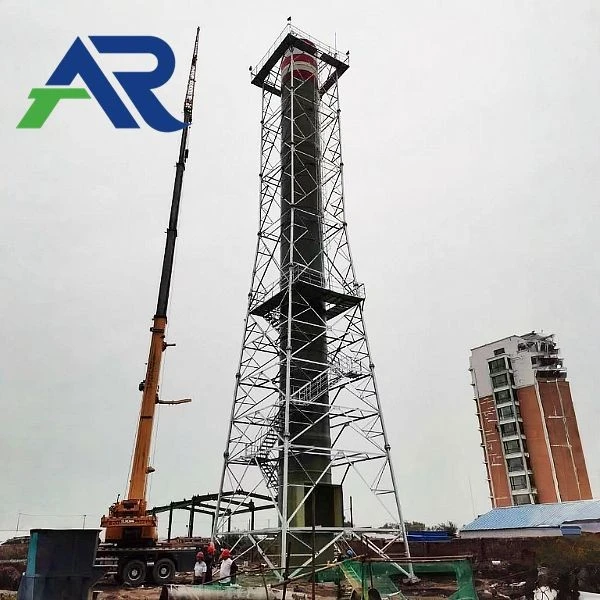
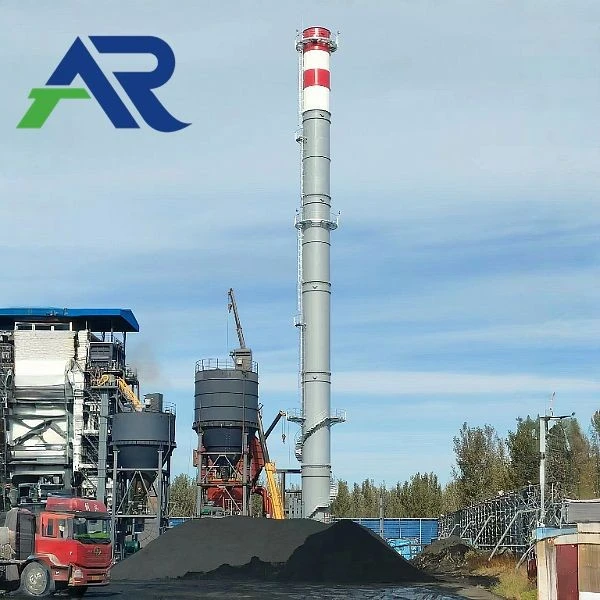
First, let's briefly introduce what single sleeve chimneys are. A Single Sleeve Chimney is a type of chimney that consists of a single layer of material, typically metal or masonry. It is designed to vent exhaust gases from industrial processes, heating systems, or other sources safely out of a building. These chimneys are commonly used in factories, power plants, and other industrial settings due to their simplicity and cost - effectiveness.
The Necessity of Maintenance
The short answer is yes, single sleeve chimneys do require maintenance. Just like any other industrial equipment, they are subject to wear and tear over time, and neglecting maintenance can lead to a variety of problems.
Corrosion
One of the primary concerns with single sleeve chimneys is corrosion. Exhaust gases often contain acidic components such as sulfur dioxide and nitrogen oxides, which can react with the chimney material. If the chimney is made of metal, these acidic gases can cause rusting and pitting. Over time, corrosion can weaken the structure of the chimney, leading to potential leaks or even structural failure. Regular inspections can help detect early signs of corrosion, allowing for timely repairs or preventive measures such as applying protective coatings.
Blockages
Another issue that can arise is blockages. Debris, such as soot, ash, and bird nests, can accumulate inside the chimney over time. A blocked chimney can restrict the flow of exhaust gases, leading to poor ventilation and potentially dangerous conditions. For example, in a heating system, a blocked chimney can cause carbon monoxide to back up into the building, posing a serious health risk. Regular cleaning is essential to prevent blockages and ensure the proper functioning of the chimney.
Structural Integrity
Single sleeve chimneys are exposed to various environmental factors such as wind, rain, and temperature changes. These factors can take a toll on the chimney's structural integrity. Cracks may develop in the chimney walls, especially in masonry chimneys. In metal chimneys, joints may loosen due to vibrations or thermal expansion and contraction. Periodic structural inspections can identify these issues early on, and necessary repairs can be carried out to prevent further damage.
Maintenance Procedures
Regular Inspections
Regular inspections are the cornerstone of chimney maintenance. It is recommended to have a professional inspector examine the chimney at least once a year. During the inspection, the inspector will check for signs of corrosion, blockages, and structural damage. They will also assess the condition of the chimney's lining, if applicable, and the integrity of any connections or joints.
Cleaning
Cleaning should be done as needed, depending on the usage of the chimney. For industrial chimneys that are in constant use, more frequent cleaning may be required. Specialized cleaning equipment, such as brushes and vacuum systems, can be used to remove soot, ash, and debris from the inside of the chimney. In some cases, high - pressure water jetting may be used to clean stubborn deposits.
Repairs and Replacements
If any damage is detected during the inspection, prompt repairs or replacements should be carried out. For minor corrosion, the affected area can be cleaned and coated with a protective paint or sealant. In cases of more severe corrosion or structural damage, sections of the chimney may need to be replaced. For example, if a metal chimney has a severely corroded section, that section can be cut out and replaced with a new one.
Comparison with Other Types of Chimneys
It's worth comparing single sleeve chimneys with other types of chimneys, such as Multi - sleeve Chimney. Multi - sleeve chimneys typically have an outer sleeve and an inner liner, which provides an additional layer of protection against corrosion and heat. This design can reduce the risk of damage and may require less frequent maintenance in some cases. However, multi - sleeve chimneys are generally more expensive to install and maintain due to their complexity.
On the other hand, Stainless Steel Factory Chimney offers better corrosion resistance compared to traditional single sleeve chimneys made of other metals. Stainless steel is more resistant to the acidic components in exhaust gases, which can extend the lifespan of the chimney and reduce the frequency of maintenance related to corrosion.
The Cost - Benefit of Maintenance
Some may argue that maintenance costs can be a burden, especially for small - scale operations. However, the cost of neglecting maintenance can be far higher. A failed chimney can lead to costly repairs, production downtime, and potential safety hazards. By investing in regular maintenance, you can extend the lifespan of your single sleeve chimney, ensure its proper functioning, and avoid expensive emergency repairs.
Conclusion
In conclusion, single sleeve chimneys do require maintenance to ensure their safe and efficient operation. Corrosion, blockages, and structural issues are common problems that can be addressed through regular inspections, cleaning, and repairs. As a supplier of Single Sleeve Chimneys, we understand the importance of providing our clients with not only high - quality products but also the knowledge and support to maintain them.
If you are in the market for a single sleeve chimney or need advice on chimney maintenance, we encourage you to reach out to us. Our team of experts is ready to assist you in making the right choices for your specific needs. Contact us today to start a discussion about your chimney requirements and how we can help you keep your chimney in top condition.
References
- "Chimney Safety and Maintenance Guide" - National Fire Protection Association
- "Industrial Chimney Design and Maintenance" - American Society of Mechanical Engineers