

Power fluctuations are an inevitable aspect of the electrical grid, stemming from various factors such as sudden changes in consumer demand, weather - related disruptions, and equipment malfunctions. As a leading Electric Power Tower supplier, we understand the critical role that power towers play in handling these fluctuations to ensure a stable and reliable electricity supply.
Understanding Power Fluctuations
Power fluctuations can be classified into two main types: voltage fluctuations and frequency fluctuations. Voltage fluctuations refer to the rapid changes in the voltage level of the electrical supply. These can occur due to sudden large - scale changes in the load, like when a large industrial plant starts or stops its operations. Frequency fluctuations, on the other hand, are variations in the frequency of the alternating current (AC) in the grid. In a stable grid, the frequency is maintained at a constant value (e.g., 50 Hz or 60 Hz depending on the region). However, imbalances between power generation and consumption can lead to frequency deviations.
The Role of Electric Power Towers in Handling Fluctuations
Electric power towers are not just static structures that hold transmission lines; they are integral components of a complex system designed to manage power fluctuations.
Structural Integrity for Stable Transmission
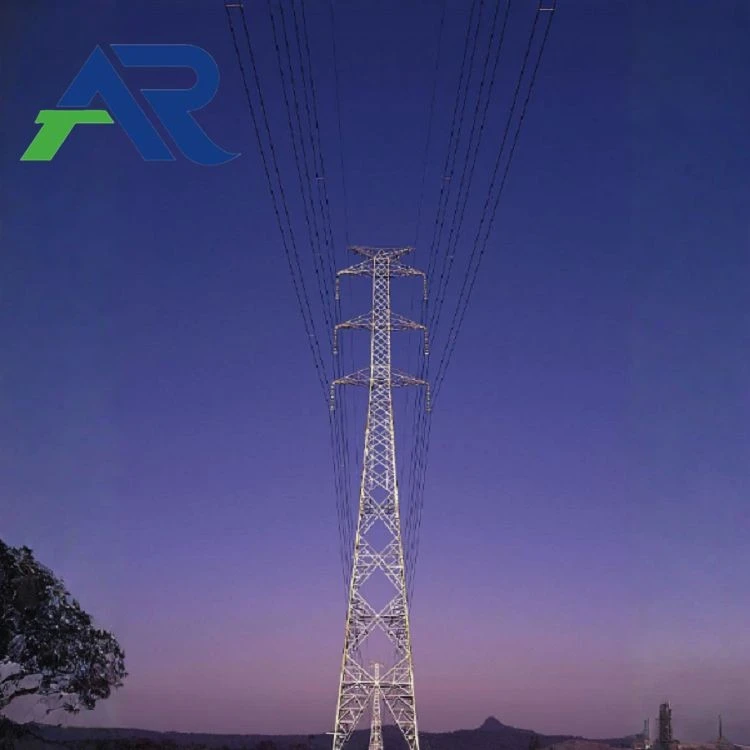
First and foremost, power towers need to maintain their structural integrity under all conditions. During power fluctuations, there can be sudden surges in the electrical current flowing through the transmission lines. These surges can cause mechanical stress on the lines, which in turn exert forces on the power towers. Our Iron Towers are engineered to withstand these forces. They are made from high - strength steel alloys that can resist bending and breaking, ensuring that the transmission lines remain in place and can continue to transmit power even during extreme events.
Connection and Distribution
Power towers also facilitate the connection and distribution of electricity across different parts of the grid. They are strategically placed to create a network that can transfer power from power generation sources (such as power plants) to consumers. In the event of a power fluctuation, the grid can be re - routed through different paths using the network of power towers. For example, if there is a sudden drop in power supply from one region, power can be redirected from other areas with surplus power through the transmission lines supported by our Electrical Tower For Electricity Transmission.
Voltage Regulation
Another important function of power towers in handling power fluctuations is voltage regulation. Transformers are often installed on or near power towers. These transformers can step up or step down the voltage of the electricity as needed. When there is a voltage surge, the transformers can reduce the voltage to a safe level before it reaches the consumers. Conversely, if there is a voltage drop, the transformers can increase the voltage to ensure that the electrical equipment at the consumer end operates properly. Our Industrial Iron Towers are designed to accommodate these transformers and provide a stable platform for their operation.
Advanced Technologies in Power Tower Design
To better handle power fluctuations, we are constantly incorporating advanced technologies into our power tower designs.
Smart Grid Integration
One of the most significant advancements is the integration of power towers with the smart grid. Smart grid technology allows for real - time monitoring and control of the electrical grid. Power towers can be equipped with sensors that measure various parameters such as voltage, current, and temperature. These sensors transmit data to a central control center, where operators can analyze the information and take appropriate actions. For example, if the sensors detect a potential power fluctuation, the control center can adjust the power flow through the grid by sending signals to the relevant transformers and switches on the power towers.
Fault Detection and Isolation
Our power towers are also designed with fault detection and isolation capabilities. In the event of a power fluctuation caused by a fault in the transmission line, such as a short - circuit, the sensors on the power towers can quickly detect the fault location. Once the fault is detected, the system can isolate the faulty section of the line, preventing the power fluctuation from spreading to other parts of the grid. This helps to minimize the impact of the power fluctuation and ensures a faster restoration of power.
Case Studies: Successful Handling of Power Fluctuations
Over the years, our power towers have been installed in various regions around the world, and they have proven their effectiveness in handling power fluctuations.
In a large - scale industrial area, there was a sudden increase in power demand due to the startup of several new manufacturing plants. This led to a significant voltage drop in the local grid. Our power towers, equipped with advanced transformers and connected to the smart grid, were able to quickly detect the change in demand. The control center adjusted the power flow from other regions through the transmission lines supported by our towers. The transformers on the towers stepped up the voltage, ensuring that the industrial plants received a stable power supply without any disruptions to their operations.

In another case, a severe storm caused a short - circuit in a transmission line. The sensors on our power towers immediately detected the fault and sent the location information to the control center. The system quickly isolated the faulty section of the line, and power was re - routed through alternative paths. As a result, only a small area was affected by the power outage, and power was restored within a short period.
Conclusion
Power fluctuations are a challenge that the electrical grid faces on a regular basis. As an Electric Power Tower supplier, we are committed to providing high - quality power towers that can effectively handle these fluctuations. Our Iron Towers, Electrical Tower For Electricity Transmission, and Industrial Iron Towers are designed with advanced technologies and engineering expertise to ensure the stability and reliability of the electrical grid.
If you are in need of reliable power towers for your electrical infrastructure project, we invite you to contact us for a detailed discussion. Our team of experts can provide you with customized solutions based on your specific requirements.
References
- "Power System Engineering" by John J. Grainger and William D. Stevenson Jr.
- "Smart Grid: Fundamentals of Design and Analysis" by Keith Holbert and Mladen Kezunovic.
- Industry reports on power grid stability and power tower technology.