

Do free standing chimneys require professional installation?
As a supplier of free standing chimneys, I've encountered numerous inquiries from customers regarding the necessity of professional installation. This topic is not only crucial for ensuring the safety and efficiency of the chimney but also for the overall satisfaction of the end - users. In this blog, I'll delve into the details to answer the question: Do free standing chimneys require professional installation?
The Complexity of Free Standing Chimney Installation
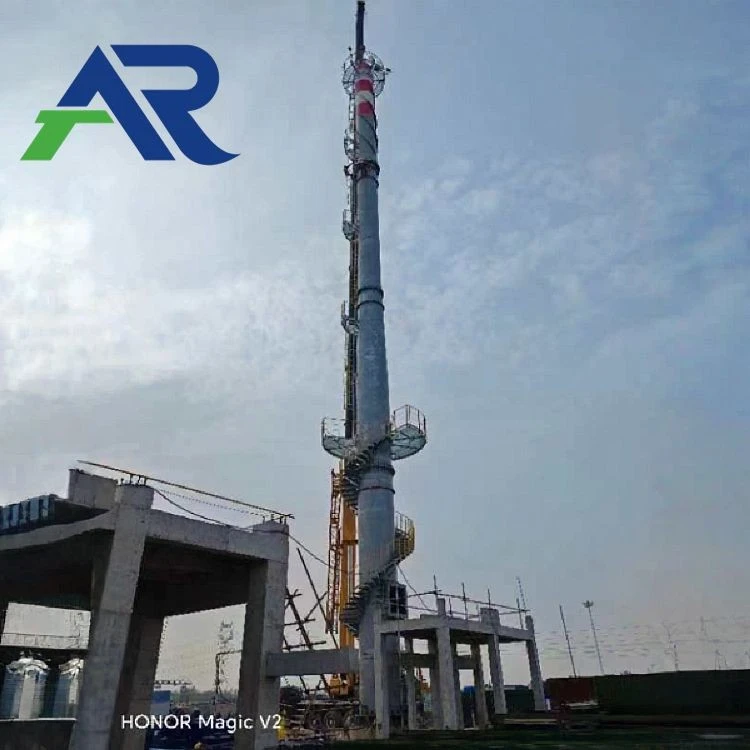
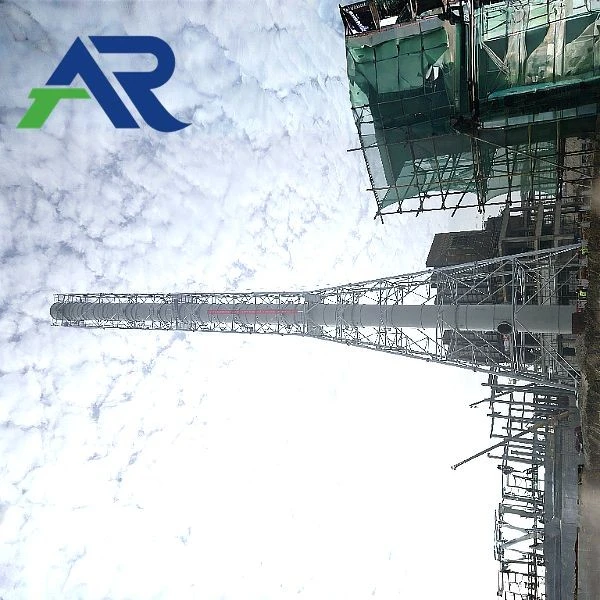
Free standing chimneys come in various types, including Single Sleeve Chimney, Multi - sleeve Chimney, and Stainless Steel Factory Chimney. Each type has its own unique set of installation requirements.
Single sleeve chimneys, for example, are relatively simpler in design compared to multi - sleeve ones. However, their installation still demands a certain level of expertise. The single sleeve needs to be properly aligned and secured to prevent any potential lateral movement. A small misalignment can lead to uneven stress distribution, which may cause the chimney to lean over time.
Multi - sleeve chimneys, on the other hand, are more complex. They consist of multiple layers, each with a specific function. The inner sleeve is responsible for carrying the flue gases, while the outer sleeve provides insulation and protection. Installing these multiple layers requires precise measurements and careful assembly. Any mistake in placing the layers can result in poor insulation, leading to heat loss and potential safety hazards.
Stainless steel factory chimneys, often used in industrial settings, are even more challenging to install. They are typically larger in size and need to withstand high - pressure and high - temperature conditions. The installation process involves heavy - duty equipment and strict compliance with industrial safety standards.
Safety Considerations
Safety is the most important factor when it comes to chimney installation. A free standing chimney that is not installed correctly can pose significant risks.
One of the primary safety concerns is structural stability. A poorly installed chimney may not be able to withstand external forces such as wind, snow, or seismic activity. In extreme cases, it could collapse, causing damage to property and endangering the lives of people in the vicinity. Professional installers have the knowledge and experience to calculate the appropriate foundation size and the right type of anchoring system based on the local environmental conditions.
Another safety aspect is the proper venting of flue gases. If the chimney is not installed at the correct height or angle, the flue gases may not be properly discharged. This can lead to the accumulation of toxic gases such as carbon monoxide inside the building. Professional installers are well - versed in the principles of fluid dynamics and can ensure that the chimney provides an efficient path for the flue gases to escape.
Code Compliance
Building codes and regulations play a vital role in chimney installation. These codes are put in place to protect the public and ensure the quality of construction. Different regions have different codes regarding chimney installation, including requirements for materials, height, and clearances.
Professional installers are familiar with these codes and can ensure that the installation meets all the necessary requirements. They will obtain the required permits before starting the installation process, which is an important step to avoid any legal issues in the future. If a chimney is installed without following the proper codes, the property owner may face fines or be required to redo the installation.
Warranty and After - Sales Service
Most chimney manufacturers offer warranties on their products, but these warranties often require professional installation. By having the chimney installed by a professional, you can ensure that the warranty remains valid. In case of any issues with the chimney in the future, the manufacturer is more likely to honor the warranty if the installation was carried out by a qualified installer.
Moreover, professional installers usually provide after - sales service. They can offer maintenance tips and perform regular inspections to ensure the long - term performance of the chimney. This kind of support is invaluable for the property owner, as it helps to extend the lifespan of the chimney and maintain its efficiency.
Cost - Benefit Analysis
Some property owners may think that they can save money by installing the chimney themselves. However, when considering the potential risks and the long - term costs, professional installation is often the more cost - effective option.
The cost of a DIY installation may seem lower at first glance, but if something goes wrong, the repair costs can be substantial. For example, if a chimney collapses due to improper installation, the cost of rebuilding it and any associated property damage can far exceed the cost of professional installation. Additionally, the time and effort spent on a DIY installation can be significant, especially for those without prior experience.
On the other hand, professional installers can complete the installation in a timely manner, minimizing the disruption to the property owner's daily life. They also have access to the right tools and equipment, which can ensure a high - quality installation.
When Professional Installation May Not Be Necessary
In some rare cases, a very simple and small free standing chimney may not strictly require professional installation. For example, a small, pre - fabricated single - sleeve chimney for a backyard fireplace that is not subject to high - pressure or high - temperature conditions may be installed by a handy homeowner with some basic knowledge of construction. However, even in these cases, it is still advisable to consult a professional to ensure that the installation is done correctly.
Conclusion
In conclusion, while there may be some exceptions, in most cases, free standing chimneys require professional installation. The complexity of the installation process, safety considerations, code compliance, warranty requirements, and cost - benefit analysis all point to the importance of hiring a professional.
As a free standing chimney supplier, I highly recommend that our customers choose professional installers for their chimney projects. By doing so, they can enjoy a safe, efficient, and long - lasting chimney system. If you are interested in purchasing a free standing chimney from us and need advice on installation, we are more than happy to assist you. Feel free to contact us to start the procurement and installation process.
References
- International Building Code (IBC)
- National Fire Protection Association (NFPA) standards for chimneys
- Manufacturer's installation manuals for free standing chimneys