

Hey there! As a supplier of double - layer insulation chimneys, I often get asked a ton of questions. One that pops up quite a bit is, "Can a double - layer insulation chimney be used in a garage?" Well, let's dig into this topic and find out.

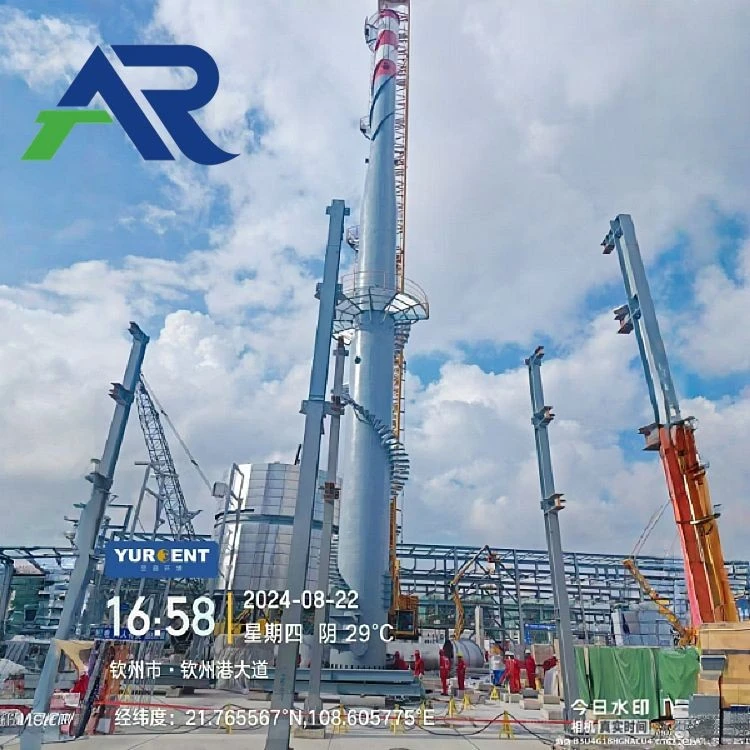
First off, let's talk about what a double - layer insulation chimney is. It's basically a chimney with two layers. The inner layer is usually made of a material that can handle high temperatures, like stainless steel. This layer comes in direct contact with the hot exhaust gases from your heating appliance. The outer layer acts as an insulator. It's often made of materials like fiberglass or ceramic fiber. The main job of this outer layer is to keep the heat inside the chimney and prevent it from transferring to the surrounding area.
Now, let's think about garages. Garages can be used for all sorts of things. Some people use them as a place to park their cars, while others turn them into workshops or even home gyms. In many cases, people want to heat their garages during the cold months. And that's where a chimney might come in handy.
One of the big advantages of using a double - layer insulation chimney in a garage is safety. Since the outer layer of the chimney is insulated, it reduces the risk of fire. In a garage, there are often flammable materials like gasoline, oil, and cardboard boxes. If a regular chimney gets too hot on the outside, it could potentially ignite these materials. But with a double - layer insulation chimney, the outer surface stays much cooler, making it a safer option.
Another plus is energy efficiency. The insulation in the chimney helps to keep the heat from escaping. This means that more of the heat generated by your heating appliance stays in the garage, rather than going up the chimney and being wasted. So, you can heat your garage more effectively and save on energy costs in the long run.
But it's not all sunshine and rainbows. There are also some things to consider before installing a double - layer insulation chimney in your garage. For starters, you need to make sure that your garage has proper ventilation. Even though the chimney is insulated, there will still be exhaust gases that need to be vented out. If the garage is not well - ventilated, these gases can build up and create a dangerous environment. Carbon monoxide, in particular, is a silent killer. It's odorless and colorless, but it can be deadly if inhaled in large amounts.
You also need to check local building codes. Different areas have different rules and regulations when it comes to installing chimneys. Some areas might require a certain type of chimney or have specific installation requirements. You don't want to install a chimney only to find out later that you've violated the law. It could result in fines or even having to remove the chimney.
Now, let's talk about the installation process. Installing a double - layer insulation chimney in a garage is not a DIY job for most people. It requires some technical knowledge and skills. You'll need to make sure that the chimney is properly supported and that it's installed at the correct angle. If the chimney is not installed correctly, it can cause problems like poor draft, which means that the exhaust gases won't flow properly up the chimney.
When it comes to choosing a double - layer insulation chimney for your garage, there are a few things to look for. You want to make sure that the chimney is the right size for your heating appliance. If the chimney is too small, it won't be able to handle the volume of exhaust gases, which can lead to back - drafting and other issues. On the other hand, if the chimney is too large, it can reduce the efficiency of the heating appliance.
You should also consider the quality of the materials. As I mentioned earlier, the inner layer should be made of a high - temperature - resistant material. The outer layer should provide good insulation. Look for chimneys that come with a warranty. This gives you some peace of mind knowing that if something goes wrong, you're covered.
There are different types of heating appliances that can be used with a double - layer insulation chimney in a garage. For example, you could use a wood - burning stove. Wood - burning stoves are a popular choice because they provide a nice, warm, and cozy atmosphere. However, they do require a bit of maintenance. You'll need to clean the chimney regularly to prevent creosote buildup, which can be a fire hazard.
Another option is a propane - fired heater. Propane heaters are convenient because they're easy to use and don't produce as much ash as wood - burning stoves. They also tend to be more efficient. But again, you need to make sure that the chimney is compatible with the propane heater and that it's installed correctly.
Now, if you're thinking about other types of chimneys or related structures, you might be interested in checking out some of these links. You can learn more about Victorian Factory Chimneys, which have a unique and historical design. There's also Steel And Iron Towers, which are often used in industrial settings. And if you're curious about pre - fabricated options, Factory Built Chimney is a great resource.
So, can a double - layer insulation chimney be used in a garage? The answer is yes, but with some careful planning and consideration. It offers many benefits in terms of safety and energy efficiency, but you need to make sure that you follow all the necessary steps and regulations.
If you're interested in purchasing a double - layer insulation chimney for your garage or have any questions about our products, don't hesitate to reach out. We're here to help you make the right choice and ensure a safe and efficient installation. We can provide you with more information about our products, answer any technical questions, and even assist with the installation process. Let's work together to make your garage a warm and comfortable place!
References:
- Building codes and regulations manuals for local areas
- Manufacturer's guides for double - layer insulation chimneys
- Industry research on energy efficiency of insulated chimneys