

As a supplier of corrugated steel culverts, I am often asked about the suitability of our products in various environments, especially industrial areas. In this blog post, I will delve into the characteristics of corrugated steel culverts and explore whether they can indeed be used effectively in industrial settings.
Characteristics of Corrugated Steel Culverts
Corrugated steel culverts are pre - fabricated structures made from steel sheets with a corrugated pattern. This unique design offers several advantages:
Strength and Durability
The corrugated shape significantly enhances the structural strength of the steel culvert. It can withstand high external loads, including the weight of heavy vehicles and equipment commonly found in industrial areas. Steel, as a material, is known for its high tensile strength and resistance to deformation. This means that corrugated steel culverts can maintain their shape and integrity even under extreme stress conditions.
Flexibility
Unlike rigid concrete culverts, corrugated steel culverts are flexible. They can adapt to ground settlement and movement without cracking. In industrial areas, where construction activities and heavy machinery operations may cause soil disturbances, this flexibility is a crucial advantage. It helps to prevent structural failures and reduces the need for frequent repairs and maintenance.
Easy Installation
Corrugated steel culverts are relatively easy to install compared to other types of culverts. They can be pre - fabricated in the factory and transported to the site for quick assembly. This reduces the construction time and labor costs, which is highly beneficial in industrial projects where time is often of the essence.
Corrosion Resistance
Modern corrugated steel culverts are often coated with anti - corrosion materials such as zinc or epoxy. These coatings protect the steel from rust and corrosion, extending the lifespan of the culvert. In industrial areas, where there may be exposure to chemicals, pollutants, and moisture, corrosion resistance is essential to ensure the long - term performance of the culvert.
Applications in Industrial Areas
Drainage Systems
One of the primary applications of corrugated steel culverts in industrial areas is for drainage. Industrial sites generate a large amount of surface water runoff from rainfall, as well as wastewater from various production processes. Corrugated steel culverts can be used to channel this water away from the site, preventing flooding and waterlogging. They can be installed under roads, parking lots, and industrial buildings to create an efficient drainage network. For example, in a manufacturing plant, a corrugated steel culvert can be used to drain wastewater from the production area to a treatment facility.
Utility Conduits
Industrial areas are often filled with various utility lines, such as electrical cables, telecommunications wires, and gas pipelines. Corrugated steel culverts can serve as protective conduits for these utilities. The culverts shield the utility lines from physical damage, environmental factors, and interference from construction activities. They also provide easy access for maintenance and future expansion of the utility systems. For instance, in an industrial park, corrugated steel culverts can be used to house the electrical cables that supply power to multiple factories.
Foundation Support
In some cases, corrugated steel culverts can be used as part of the foundation system in industrial construction. They can be installed in the ground to provide additional support for heavy structures, such as large warehouses or industrial machinery. The flexibility of the culverts allows them to distribute the load evenly over the soil, reducing the risk of foundation settlement. For example, when building a large - scale industrial storage facility, corrugated steel culverts can be incorporated into the foundation design to enhance its stability.
Considerations for Using Corrugated Steel Culverts in Industrial Areas
Load Requirements
Before installing corrugated steel culverts in an industrial area, it is essential to accurately assess the load requirements. Different industrial activities generate different levels of traffic and equipment loads. For example, a heavy - duty manufacturing plant with large trucks and cranes will require culverts with higher load - bearing capacities compared to a light - industrial workshop. Engineers need to conduct load calculations based on the specific usage of the area to select the appropriate size and thickness of the corrugated steel culverts.
Chemical Exposure
Industrial areas may have a higher risk of chemical exposure. Some industrial processes involve the use of corrosive chemicals, which can damage the culvert if not properly protected. When selecting corrugated steel culverts, it is crucial to choose coatings and materials that are resistant to the specific chemicals present in the area. For example, if an industrial site deals with acidic chemicals, an epoxy - coated culvert may be a better choice than a zinc - coated one.
Environmental Regulations
Industrial projects are subject to various environmental regulations. When using corrugated steel culverts for drainage or wastewater management, it is necessary to ensure compliance with local environmental standards. This may include requirements for water quality, pollution prevention, and stormwater management. Suppliers and contractors need to work closely with environmental authorities to ensure that the culvert installation meets all the necessary regulations.
Product Offerings
As a supplier, we offer a wide range of corrugated steel culverts to meet the diverse needs of industrial areas. Our Bridge Culvert Steel Corrugated Culvert is designed for applications where the culvert needs to support the weight of bridges and overpasses. It is made from high - quality steel with a strong corrugated design, ensuring excellent load - bearing capacity.
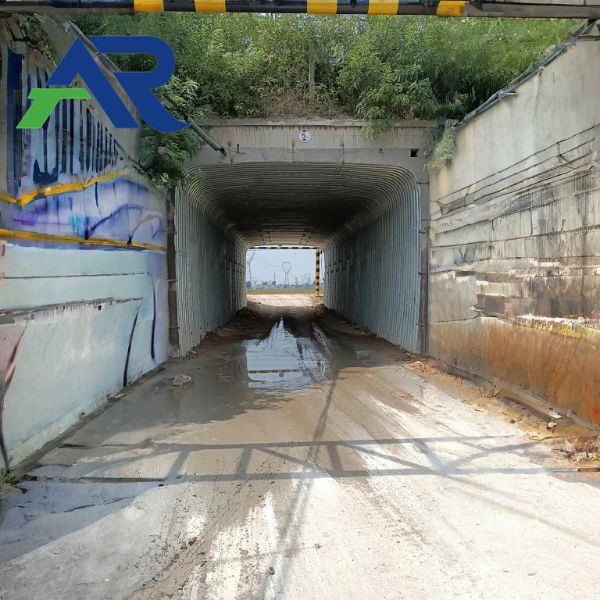
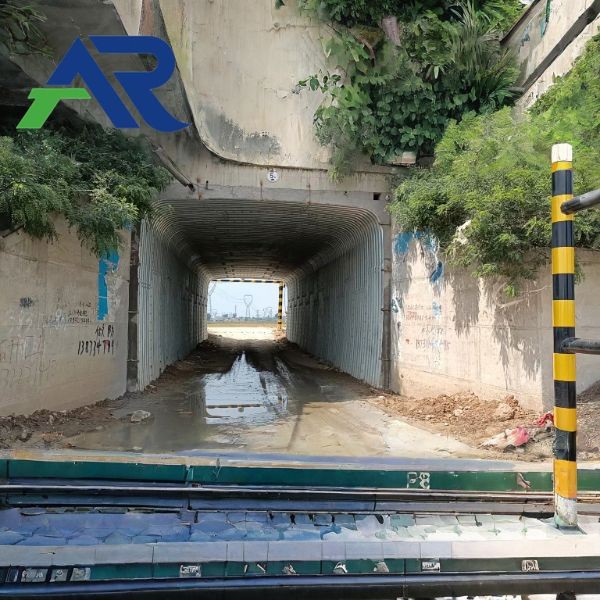
Our Steel Corrugated Culvert is a versatile product suitable for general drainage and utility conduit applications in industrial areas. It comes in various sizes and thicknesses, allowing for customization based on the specific project requirements.
In addition, we also provide Wind Tower Foundation Corrugated Outer Tube, which is specifically designed for wind tower foundation applications in industrial - scale wind farms. This product offers high strength and corrosion resistance, ensuring the stability and longevity of the wind tower foundation.
Conclusion
In conclusion, corrugated steel culverts can be effectively used in industrial areas. Their strength, flexibility, easy installation, and corrosion resistance make them suitable for a variety of applications, including drainage, utility conduits, and foundation support. However, it is crucial to consider factors such as load requirements, chemical exposure, and environmental regulations when selecting and installing these culverts.
If you are involved in an industrial project and are considering using corrugated steel culverts, we would be more than happy to assist you. Our team of experts can provide you with detailed product information, technical support, and customized solutions. Contact us to start a procurement discussion and find the best corrugated steel culvert solution for your industrial needs.
References
- American Iron and Steel Institute. (20XX). Design Manual for Corrugated Steel Pipe, Structural Plate, and Arches.
- National Cooperative Highway Research Program. (20XX). Guidelines for the Design and Construction of Corrugated Steel Culverts.
- International Association of Foundation Drilling. (20XX). Best Practices for Using Corrugated Steel Structures in Foundation Applications.