
Can a Single Sleeve Chimney be Used in a Commercial Building?
As a supplier of Single Sleeve Chimneys, I often encounter questions from potential clients regarding the suitability of our products for commercial buildings. In this blog post, I aim to provide a comprehensive analysis of whether a single sleeve chimney can be used in a commercial setting, taking into account various factors such as safety, efficiency, and cost.
Safety Considerations
Safety is paramount when it comes to any chimney installation, especially in commercial buildings where there are typically more people and valuable assets. Single sleeve chimneys are designed to vent flue gases from heating appliances safely to the outside environment. However, their effectiveness in ensuring safety depends on several factors.
One of the primary safety concerns with single sleeve chimneys is the potential for heat transfer to the surrounding structure. Unlike Multi-sleeve Chimney, which have an additional layer of insulation to reduce heat transfer, single sleeve chimneys rely solely on the outer casing to dissipate heat. If the chimney is installed too close to combustible materials or in an area with poor ventilation, there is a risk of fire.
To mitigate this risk, it is essential to follow the manufacturer's installation guidelines and local building codes. The chimney should be installed with adequate clearances from combustible materials, and proper ventilation should be provided to prevent the accumulation of heat. Additionally, regular inspections and maintenance are crucial to ensure that the chimney is in good working condition and free from any signs of damage or blockage.
Another safety consideration is the potential for flue gas leakage. Single sleeve chimneys are more prone to flue gas leakage compared to multi-sleeve chimneys, especially if the joints are not properly sealed. Flue gases, which contain harmful substances such as carbon monoxide, can pose a serious health risk if they leak into the building.
To prevent flue gas leakage, it is important to use high-quality materials and ensure that the chimney is installed correctly. The joints should be sealed with a suitable sealant, and the chimney should be inspected regularly for any signs of leakage. In addition, carbon monoxide detectors should be installed in the building to provide an early warning in case of a leak.
Efficiency and Performance
In addition to safety, efficiency and performance are also important factors to consider when choosing a chimney for a commercial building. Single sleeve chimneys are generally less efficient than multi-sleeve chimneys, as they have a higher heat loss due to the lack of insulation. This means that more energy is required to heat the building, resulting in higher energy costs.
However, the efficiency of a single sleeve chimney can be improved by using a high-quality insulation material on the outside of the chimney. This can help to reduce heat loss and improve the overall performance of the chimney. Additionally, proper sizing of the chimney is crucial to ensure that it can handle the flue gases generated by the heating appliance.
Another factor that can affect the efficiency and performance of a single sleeve chimney is the type of heating appliance being used. Some heating appliances, such as high-efficiency condensing boilers, require a chimney with a lower temperature flue gas. Single sleeve chimneys may not be suitable for these types of appliances, as they may not be able to handle the lower temperature flue gas without causing condensation.
In such cases, a Stainless Steel Factory Chimney or a multi-sleeve chimney may be a better option. These types of chimneys are designed to handle lower temperature flue gases and can help to improve the efficiency and performance of the heating system.
Cost Considerations
Cost is often a significant factor when choosing a chimney for a commercial building. Single sleeve chimneys are generally less expensive than multi-sleeve chimneys, as they have a simpler design and require less material. This makes them a more affordable option for small to medium-sized commercial buildings.
However, it is important to consider the long-term costs of the chimney, including installation, maintenance, and energy costs. While a single sleeve chimney may be less expensive upfront, it may have higher energy costs over time due to its lower efficiency. Additionally, if the chimney is not installed correctly or maintained properly, there may be additional costs associated with repairs and replacements.
When comparing the costs of different types of chimneys, it is important to consider the overall value of the product. A higher-quality chimney may cost more upfront, but it may also provide better performance, reliability, and safety, which can result in lower long-term costs.
Conclusion
In conclusion, a single sleeve chimney can be used in a commercial building, but it is important to consider the safety, efficiency, and cost factors before making a decision. While single sleeve chimneys are generally less expensive and easier to install than multi-sleeve chimneys, they may have some limitations in terms of safety and efficiency.

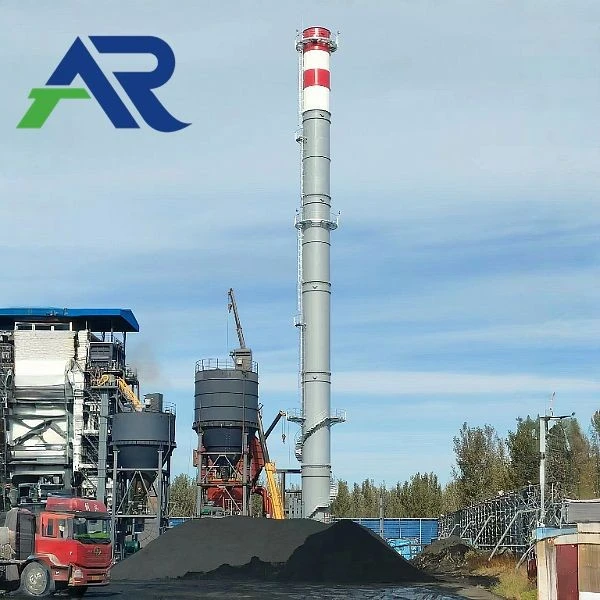
To ensure the safety and performance of the chimney, it is essential to follow the manufacturer's installation guidelines and local building codes, and to have the chimney inspected and maintained regularly. If you have any questions or concerns about the suitability of a single sleeve chimney for your commercial building, please do not hesitate to contact us. Our team of experts is available to provide you with more information and help you choose the right chimney for your needs.
References
- "Chimney Installation and Maintenance Guide." National Fire Protection Association.
- "Commercial Building Heating Systems." U.S. Department of Energy.
- "Single Sleeve Chimney Product Manual." [Your Company Name]