

Hey there! As a supplier of Fiberglass Chimneys, I often get asked a bunch of questions about these nifty chimneys. One question that pops up quite a bit is, "Can a fiberglass chimney be modified?" Well, let's dive right into this topic and find out.
Understanding Fiberglass Chimneys
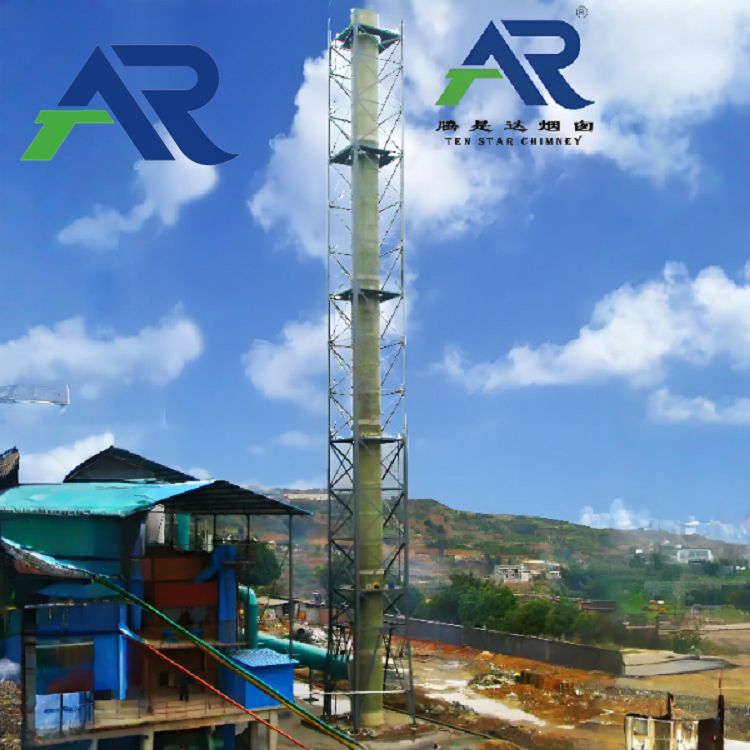
First things first, let's talk a bit about what fiberglass chimneys are. Fiberglass chimneys, like the ones you can check out on our Fiberglass Chimney page, are made from fiberglass - a composite material known for its strength, durability, and resistance to corrosion. They're a popular choice for many industrial and residential applications because they're lightweight, easy to install, and can handle a wide range of temperatures.
Reasons for Modifying a Fiberglass Chimney
There are several reasons why someone might want to modify a fiberglass chimney. Maybe you're looking to change the height of the chimney to improve draft and ventilation. Or perhaps you need to add an additional flue to accommodate a new heating system. Another common reason is to retrofit the chimney to meet new safety or environmental regulations.
The Feasibility of Modifying Fiberglass Chimneys
The good news is that, in many cases, fiberglass chimneys can be modified. Fiberglass is a relatively flexible material compared to traditional chimney materials like brick or concrete. This means it can be cut, shaped, and joined with relative ease, as long as you have the right tools and expertise.
Height Modifications
If you need to change the height of your fiberglass chimney, it's usually possible. You can either extend the chimney by adding more sections or reduce its height by carefully cutting off the excess. However, it's important to note that any height modification can affect the chimney's draft and ventilation. So, it's crucial to consult with a professional to ensure that the new height is appropriate for your specific setup.
Adding Flues
Adding an additional flue to a fiberglass chimney is also doable. Fiberglass can be drilled and fitted with the necessary connectors to accommodate a new flue. But again, this isn't a DIY project. You'll need to make sure that the new flue is properly sized and installed to prevent any issues with backdraft or poor ventilation.
Retrofitting for Regulations
When it comes to retrofitting a fiberglass chimney to meet new safety or environmental regulations, it might require some modifications. For example, you might need to add a lining to improve insulation or install a new cap to prevent debris from entering the chimney. The key is to understand the specific requirements of the regulations and work with a professional who has experience with fiberglass chimney modifications.
Things to Consider Before Modifying
Before you jump into modifying your fiberglass chimney, there are a few things you need to keep in mind.
Structural Integrity
Any modification can potentially affect the structural integrity of the chimney. You need to make sure that the changes you're making won't compromise the chimney's strength and stability. A professional contractor can assess the chimney and determine the best way to make the modifications without causing any problems.
Compatibility
It's important to ensure that any new components you're adding to the chimney are compatible with fiberglass. For example, if you're using a sealant, it should be specifically designed for use with fiberglass. Using the wrong materials can lead to leaks, corrosion, and other issues down the line.

Cost
Modifying a fiberglass chimney can be more affordable than replacing it, but it still comes with a cost. You'll need to factor in the cost of materials, labor, and any permits that might be required. It's a good idea to get multiple quotes from different contractors to get a better idea of the overall cost.
Alternatives to Modification
If you're unsure about modifying your fiberglass chimney or if the modifications are too extensive, you might want to consider alternative options. For example, you could look into Stainless Steel Chimneys or Titanium Steel Composite Plate Chimney. These types of chimneys offer different advantages and might be a better fit for your specific needs.
Working with a Professional
Whether you decide to modify your fiberglass chimney or explore alternative options, it's highly recommended that you work with a professional. A qualified chimney contractor has the knowledge, skills, and experience to ensure that the job is done safely and correctly. They can also help you navigate any local regulations and obtain the necessary permits.
Conclusion
So, can a fiberglass chimney be modified? The answer is yes, in most cases. But it's not something you should take lightly. You need to carefully consider the reasons for the modification, the potential impact on the chimney's performance, and the cost involved. And always work with a professional to ensure that the job is done right.
If you're thinking about modifying your fiberglass chimney or are interested in exploring other chimney options, don't hesitate to reach out. We're here to help you make the best decision for your needs and provide you with high - quality chimney products and services.
References
- General knowledge about chimney construction and materials
- Industry standards for chimney installation and modification