
As a supplier of corrugated steel culverts, I've often been asked about the environmental impacts of using these products. In this blog, I'll delve into the various aspects of this topic, exploring both the positive and potential negative environmental effects associated with corrugated steel culverts.
Positive Environmental Impacts
1. Durability and Longevity
One of the most significant environmental benefits of corrugated steel culverts is their durability. These culverts are designed to withstand harsh environmental conditions, including extreme weather, soil movement, and water flow. Unlike some other materials, such as concrete, which may crack or deteriorate over time, corrugated steel culverts can last for decades, even up to 50 years or more with proper maintenance.
The long lifespan of corrugated steel culverts means that they don't need to be replaced as frequently as other types of culverts. This reduces the demand for new materials and the associated energy and resources required for manufacturing, transportation, and installation. By minimizing the need for frequent replacements, corrugated steel culverts contribute to a more sustainable approach to infrastructure development.
2. Recyclability
Steel is one of the most recyclable materials on the planet. At the end of their useful life, corrugated steel culverts can be easily recycled and reused to make new steel products. Recycling steel requires significantly less energy compared to producing new steel from raw materials. According to the American Iron and Steel Institute, recycling steel saves up to 75% of the energy needed to produce new steel.
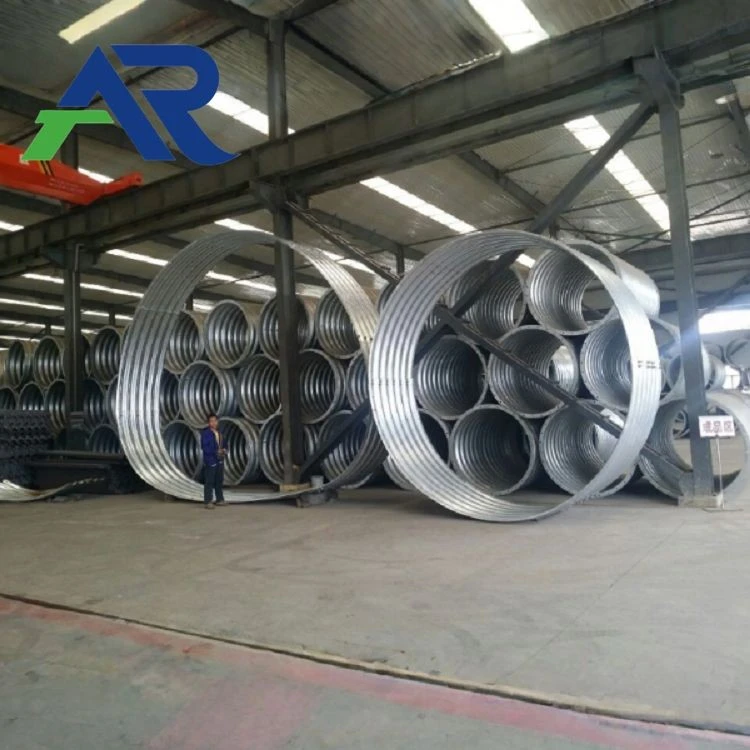
This high recyclability rate not only conserves natural resources but also reduces the environmental impact associated with steel production, such as greenhouse gas emissions and water pollution. By choosing corrugated steel culverts, project owners and contractors can contribute to a circular economy, where materials are reused and recycled instead of being discarded in landfills.
3. Reduced Construction Impact
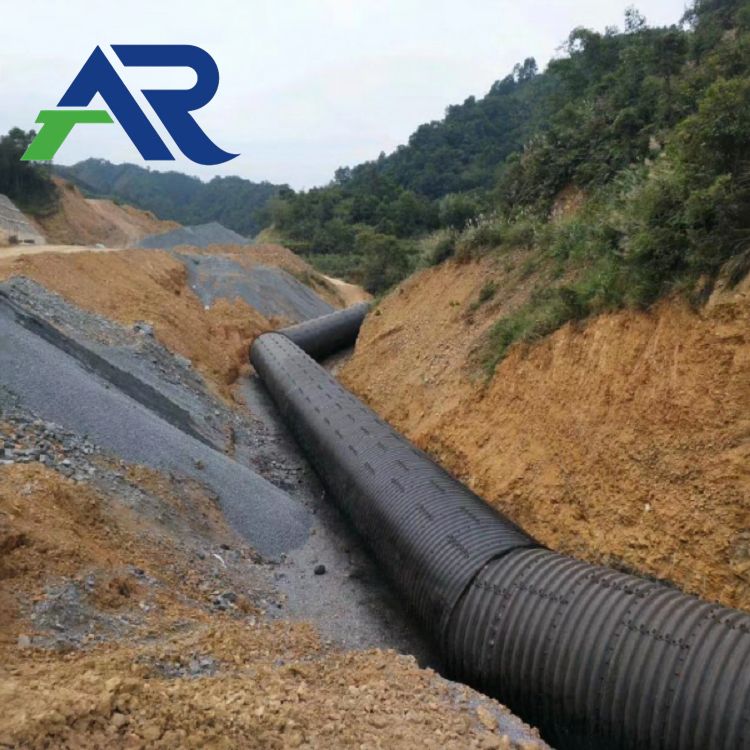
Corrugated steel culverts are relatively lightweight compared to other culvert materials, such as concrete. This makes them easier and more cost - effective to transport and install. The reduced weight also means that less heavy machinery is required for installation, which in turn reduces fuel consumption and emissions during the construction process.
Additionally, the installation of corrugated steel culverts often requires less excavation and disturbance of the surrounding environment. This helps to preserve the natural landscape, minimize soil erosion, and protect local ecosystems. For example, in sensitive wetland areas, the use of corrugated steel culverts can be a more environmentally friendly option as it allows for a more streamlined installation process with less impact on the wetland habitat.
Potential Negative Environmental Impacts
1. Steel Production
While steel is highly recyclable, the production of new steel from raw materials can have significant environmental impacts. The steelmaking process involves the extraction of iron ore, coal, and limestone, which can lead to habitat destruction, water pollution, and greenhouse gas emissions. The use of fossil fuels in the steelmaking process, such as coal for energy and in the form of coke, contributes to air pollution and climate change.
However, many steel manufacturers are taking steps to reduce their environmental footprint. They are investing in cleaner production technologies, such as electric arc furnaces, which use recycled steel as the primary input and require less energy compared to traditional blast furnaces. As a corrugated steel culvert supplier, we work with steel manufacturers who are committed to sustainable production practices to minimize the environmental impact of the steel used in our products.
2. Corrosion and Coating
Corrugated steel culverts are susceptible to corrosion, especially in environments with high moisture, salt, or acidic conditions. To prevent corrosion, the steel is often coated with protective materials, such as zinc or epoxy. While these coatings can extend the lifespan of the culverts, the production and application of these coatings can also have environmental impacts.
The production of zinc and other coating materials may involve the extraction and processing of minerals, which can lead to environmental degradation. The application of coatings may also release volatile organic compounds (VOCs) into the air, which can contribute to air pollution and have negative health effects. However, there are now more environmentally friendly coating options available, such as water - based coatings, which have lower VOC emissions. We ensure that the coatings used on our corrugated steel culverts meet strict environmental standards to minimize these impacts.
Applications and Their Environmental Considerations
1. Steel Urban Underground Integrated Pipeline Corridor
The Steel Urban Underground Integrated Pipeline Corridor is an important application of corrugated steel culverts. In urban areas, these corridors are used to house various utility pipelines, such as water, gas, and electricity. The use of corrugated steel culverts in these applications can help to reduce the environmental impact of urban infrastructure development.
By consolidating multiple pipelines into a single corridor, the need for separate trenches and excavations is minimized. This reduces the disruption to the urban landscape, traffic flow, and underground utilities. Additionally, the durability and recyclability of corrugated steel culverts make them a sustainable choice for long - term urban infrastructure projects.
2. Wind Tower Foundation Corrugated Outer Tube
The Wind Tower Foundation Corrugated Outer Tube is another application where corrugated steel culverts play a crucial role. In the renewable energy sector, wind turbines require stable foundations to support their operation. Corrugated steel outer tubes are used to reinforce the foundation and protect it from environmental factors.
The use of corrugated steel culverts in wind tower foundations is environmentally beneficial as it supports the growth of the renewable energy industry. By enabling the construction of more wind turbines, these culverts contribute to the reduction of greenhouse gas emissions associated with traditional energy sources. Moreover, the recyclability of the steel ensures that at the end of the wind turbine's life, the corrugated outer tubes can be recycled and reused.
3. Corrugated Pipe for Coal Mine Corridor
The Corrugated Pipe for Coal Mine Corridor is used in coal mining operations to provide ventilation, drainage, and access to underground coal seams. While coal mining itself has significant environmental impacts, the use of corrugated steel culverts in coal mine corridors can help to mitigate some of these impacts.
The durability of corrugated steel culverts reduces the need for frequent replacements in the harsh underground environment of coal mines. This minimizes the disruption to mining operations and reduces the amount of waste generated. Additionally, the recyclability of the steel means that at the end of the coal mine's life, the corrugated pipes can be recycled, reducing the environmental burden associated with coal mining waste.
Conclusion and Call to Action
In conclusion, the use of corrugated steel culverts has both positive and potential negative environmental impacts. On the positive side, their durability, recyclability, and reduced construction impact make them a sustainable choice for many infrastructure projects. However, the steel production process and the use of coatings can have environmental drawbacks, which can be mitigated through sustainable production practices and the use of environmentally friendly coatings.
As a supplier of corrugated steel culverts, we are committed to providing high - quality products that minimize environmental impacts. We work closely with our customers to understand their specific needs and provide solutions that balance environmental considerations with project requirements.
If you are considering using corrugated steel culverts for your next project, we encourage you to contact us for more information. Our team of experts can provide detailed product specifications, environmental impact assessments, and guidance on the best practices for installation and maintenance. Let's work together to build a more sustainable future with corrugated steel culverts.
References
- American Iron and Steel Institute. "The Recycling of Steel."
- Environmental Protection Agency. "Steel Industry Profile."
- International Iron and Steel Institute. "Sustainable Development in the Steel Industry."