

Are free standing chimneys portable? That's a question I've been asked a ton lately, and as a supplier of free standing chimneys, I'm more than happy to dive into it.
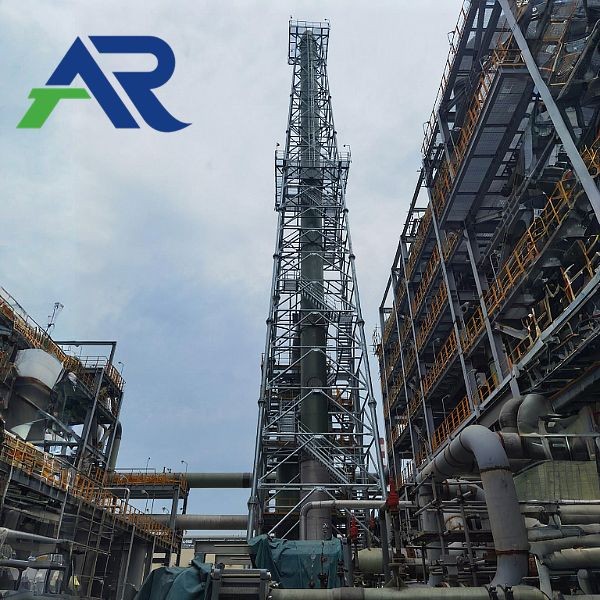
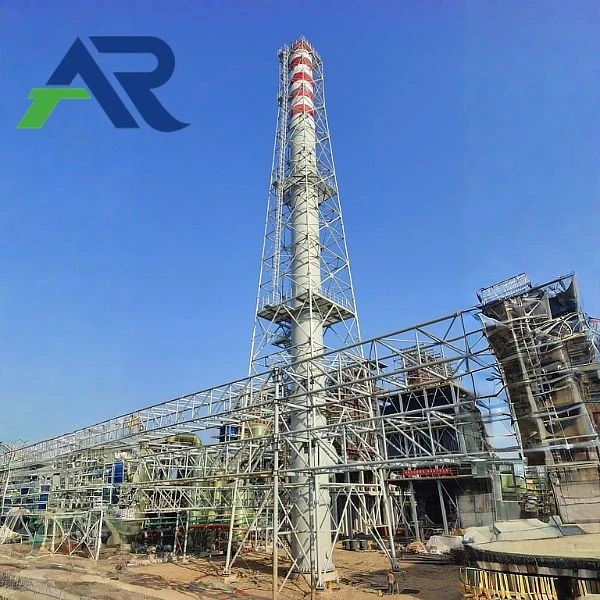
First off, let's talk about what a free standing chimney is. It's a chimney that doesn't rely on a building's structure for support. Instead, it stands on its own, usually with a base that provides stability. These chimneys come in different types, like the Multi-sleeve Chimney, Stainless Steel Factory Chimney, and Single Sleeve Chimney. Each type has its own unique features and uses, but the big question here is whether they're portable.
Now, when we say "portable," we usually mean something that's easy to move around. Like a laptop or a portable grill. But free standing chimneys are a whole different ballgame. They're heavy, bulky, and often quite large. Most of the time, they're installed at a specific location and meant to stay there for a long time.
Let's take a look at the factors that affect the portability of free standing chimneys.
Size and Weight
Free standing chimneys can vary in size, but many of them are pretty large. They need to be tall enough to effectively vent smoke and gases, and the larger the chimney, the heavier it is. The weight comes from the materials used, like steel or concrete. Moving a heavy chimney is no easy feat. You'd need special equipment, like a crane or a forklift, and a team of people to handle the job. It's not something you can just pick up and move to a new location on your own.
Installation
Installing a free standing chimney is a complex process. It involves setting up a stable base, connecting the chimney sections, and ensuring proper ventilation. Once it's installed, it's often bolted or anchored to the ground to prevent it from tipping over. Removing an installed chimney means undoing all of these steps, which can be time-consuming and may even damage the chimney or the surrounding area.
Structural Integrity
Moving a free standing chimney can potentially damage its structural integrity. The chimney is designed to withstand the forces of wind, weather, and the weight of the smoke and gases passing through it. When you move it, there's a risk of bending or breaking the chimney sections, which can affect its performance and safety. After moving, you may need to have the chimney inspected and repaired before you can use it again.
Permits and Regulations
In many areas, there are permits and regulations regarding the installation and use of free standing chimneys. Moving a chimney to a new location may require you to obtain new permits and comply with different regulations. This can add more time and cost to the process.
However, there are some situations where free standing chimneys can be considered somewhat portable.
Smaller Chimneys
Some smaller free standing chimneys, like those used for residential fireplaces or small industrial applications, may be more manageable. They're usually lighter and easier to move than larger industrial chimneys. You might be able to move a small chimney with the help of a few people and a hand truck. But even then, you still need to be careful not to damage the chimney.
Modular Design
Some free standing chimneys are designed with a modular structure. This means they're made up of smaller, pre - fabricated sections that can be easily assembled and disassembled. A modular chimney can be taken apart and moved to a new location more easily than a one - piece chimney. However, you still need to follow the proper procedures to ensure the chimney is reassembled correctly.
Temporary Installations
In some cases, free standing chimneys are installed for temporary use, like at a construction site or a special event. These chimneys are designed to be easily set up and taken down. They're usually lighter and more portable than permanent chimneys. But they still need to be handled with care to avoid damage.
So, are free standing chimneys portable? The answer is generally no, but it depends on the specific chimney and the circumstances.
If you're in the market for a free standing chimney and you think you might need to move it in the future, here are some tips.
- Choose a Smaller Size: If portability is a concern, look for a smaller chimney that's easier to handle.
- Consider a Modular Design: A modular chimney can be more easily disassembled and moved.
- Plan Ahead: If you know you'll need to move the chimney in the future, work with a professional installer who can design the installation to make it easier to remove later.
In conclusion, while free standing chimneys aren't typically as portable as we'd like them to be, there are ways to make the process more manageable in certain situations. If you're thinking about getting a free standing chimney, it's important to understand the limitations and consider your specific needs.
If you're interested in our free standing chimneys, whether it's the Multi-sleeve Chimney, Stainless Steel Factory Chimney, or Single Sleeve Chimney, we're here to help. We can provide you with more information, answer your questions, and work with you to find the right chimney for your needs. If you're ready to make a purchase or just want to discuss your options, don't hesitate to reach out. We're always happy to talk and help you make the best decision.
References
- Building codes and regulations from local authorities
- Manufacturer's specifications for free standing chimneys
- Industry standards for chimney installation and maintenance