

Hey there! As a supplier of Fiberglass Tower Chimneys, I get asked a lot about the wind - resistance level of these bad boys. So, I thought I'd take a deep dive into this topic and share everything I know.
First off, let's understand what a Fiberglass Tower Chimney is. It's a structure made from fiberglass, which is a composite material consisting of fine fibers of glass. Fiberglass is known for its high strength - to - weight ratio, corrosion resistance, and durability. These chimneys are used in various industrial settings, like factories and power plants, to exhaust gases and fumes safely. You can check out more about them on our Fiberglass Tower Chimney page.
Now, when it comes to wind resistance, it's a crucial factor. A chimney that can't withstand strong winds is like a house of cards in a storm. There are several elements that determine the wind - resistance level of a fiberglass tower chimney.
Design and Shape
The design and shape of the chimney play a huge role. A well - designed chimney will have a shape that minimizes the impact of wind. For example, a tapered chimney is often more wind - resistant than a straight - sided one. The taper helps to reduce the wind load by allowing the wind to flow smoothly around the structure. Engineers use advanced computer simulations to optimize the shape of the chimney for maximum wind resistance.
Material Strength
The strength of the fiberglass material is another key factor. High - quality fiberglass has excellent mechanical properties, including high tensile strength and flexural strength. This means it can withstand the forces exerted by the wind without breaking or deforming. We use top - grade fiberglass in our chimneys, which is tested rigorously to ensure it meets the highest standards of strength.
Installation and Foundation
Even the best - designed and strongest chimney won't be wind - resistant if it's not installed correctly. A proper foundation is essential. The chimney needs to be firmly anchored to the ground to prevent it from toppling over in high winds. Our installation teams are highly trained and follow strict guidelines to ensure that the chimney is installed securely. They take into account factors like soil type, local wind conditions, and seismic activity when designing the foundation.
Wind Load Calculations
Engineers calculate the wind load on the chimney based on local wind speed data. The wind load is the force exerted by the wind on the chimney, and it depends on factors such as the height of the chimney, its surface area, and the wind speed. In areas with high wind speeds, the chimney needs to be designed to withstand greater forces. For example, in coastal regions where hurricanes are common, the wind - resistance requirements are much higher than in inland areas.
Comparison with Other Types of Chimneys
Let's compare fiberglass tower chimneys with Titanium Steel Composite Plate Tower Chimneys. Titanium steel composite plate chimneys are also known for their strength and durability. However, fiberglass chimneys have some advantages when it comes to wind resistance. Fiberglass is lighter than steel, which means there's less mass for the wind to act on. This can reduce the overall wind load on the chimney. Additionally, fiberglass is more flexible than steel, which allows it to bend slightly in the wind without breaking.
Real - World Testing
We don't just rely on theoretical calculations. We also conduct real - world testing of our fiberglass tower chimneys. We build test models and subject them to simulated high - wind conditions in a wind tunnel. This allows us to observe how the chimney behaves under stress and make any necessary adjustments to the design or materials.
Maintenance and Long - Term Wind Resistance
Regular maintenance is important for ensuring the long - term wind resistance of the chimney. Over time, the fiberglass may be exposed to environmental factors like UV radiation, which can degrade the material. We recommend regular inspections and maintenance to check for any signs of damage or wear. If any issues are found, they can be addressed promptly to prevent further damage and maintain the chimney's wind - resistance capabilities.
Industry Standards and Regulations
There are industry standards and regulations that govern the wind - resistance requirements for chimneys. These standards are set by organizations like the American Society of Civil Engineers (ASCE). Our chimneys are designed and built to meet or exceed these standards. This ensures that our customers can have confidence in the wind - resistance of our products.

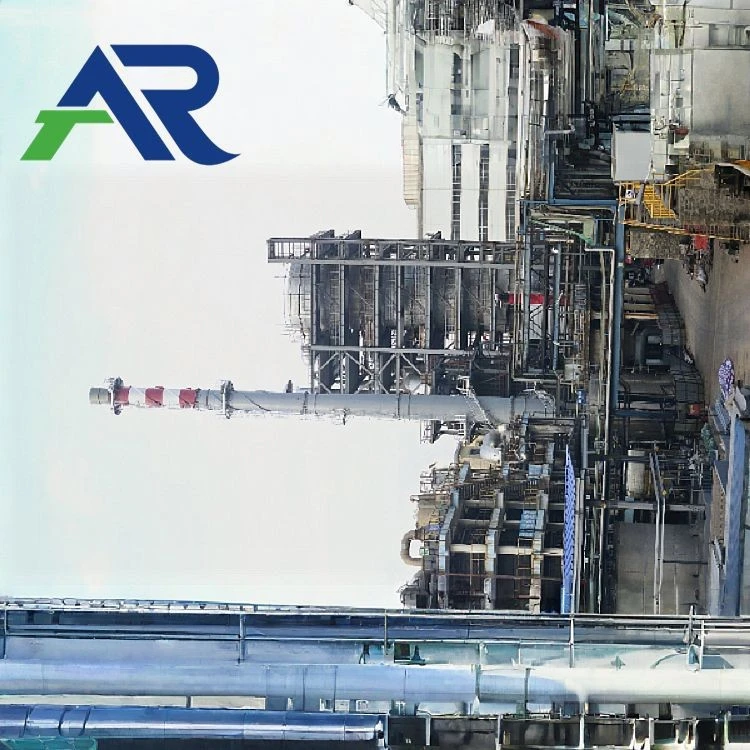
In conclusion, the wind - resistance level of a fiberglass tower chimney is determined by a combination of factors, including design, material strength, installation, and maintenance. Our company is committed to providing high - quality fiberglass tower chimneys that offer excellent wind resistance. Whether you're in a high - wind area or just looking for a reliable chimney solution, our chimneys are a great choice.
If you're interested in purchasing a fiberglass tower chimney or have any questions about wind resistance or our products, don't hesitate to get in touch. We're here to help you find the perfect chimney for your needs.
References
- American Society of Civil Engineers (ASCE). Wind Load Standards for Structures.
- Textbooks on Composite Materials and Structural Engineering.
- Research Papers on Wind - Resistance of Industrial Chimneys.