
When it comes to the infrastructure of the power grid, electric power towers play a crucial role in transmitting electricity over long distances. As a supplier of Electric Power Tower, I understand the significance of these structures and the importance of safety when approaching them. In this blog post, I will outline the safety protocols that should be followed when approaching electric power towers to ensure the well - being of individuals and the integrity of the power system.
Understanding Electric Power Towers
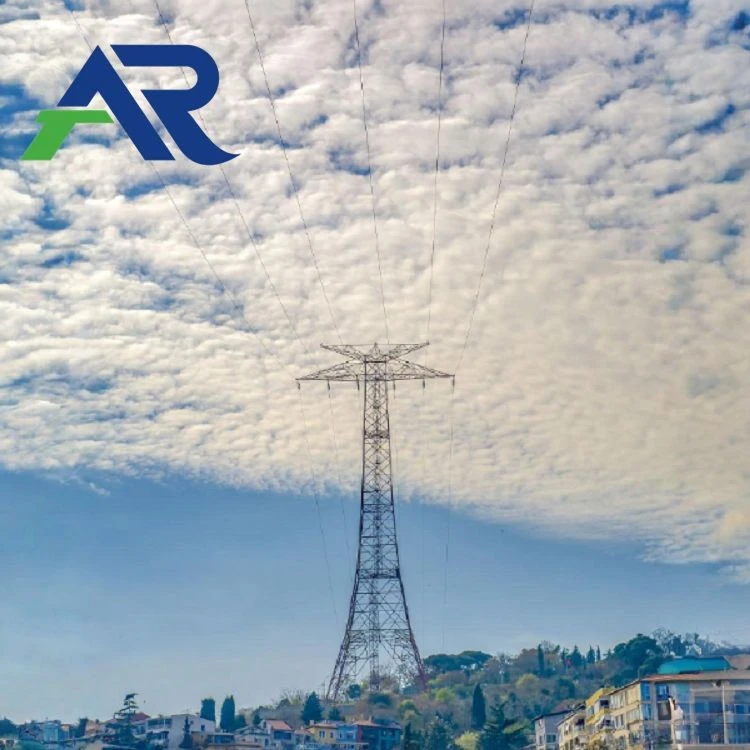
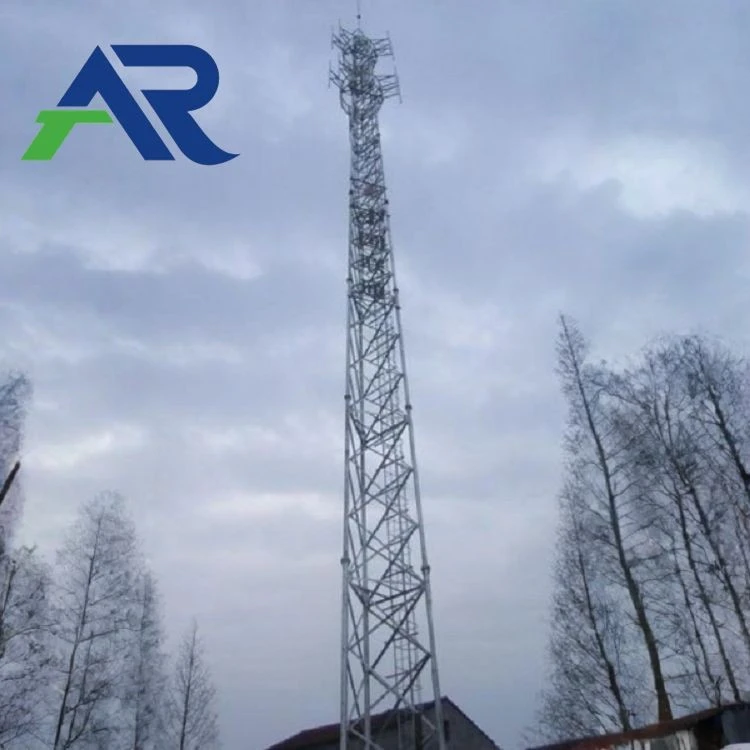
Electric power towers are large structures designed to support high - voltage power lines. These lines carry electricity at extremely high voltages, which can be extremely dangerous if not handled properly. There are different types of power towers, including lattice towers, tubular towers, and monopoles, each with its own design and function. They are commonly used in both urban and rural areas to deliver electricity from power plants to substations and ultimately to consumers.
Pre - Approach Safety Checks
Before approaching an electric power tower, it is essential to conduct a series of pre - approach safety checks. First and foremost, obtain all the necessary permits and approvals. If you are working on or near a power tower, you may need permission from the power utility company or relevant regulatory authorities. This ensures that your activities are legal and that you have the proper authorization to be in the vicinity of the tower.
Secondly, gather all the relevant information about the tower. This includes details such as the voltage of the power lines it supports, the type of tower, and any known hazards associated with it. You can obtain this information from the power utility, engineering drawings, or maintenance records. Understanding the technical specifications of the tower will help you assess the potential risks and take appropriate safety measures.
Personal Protective Equipment (PPE)
Wearing the appropriate personal protective equipment is non - negotiable when approaching electric power towers. The most important piece of PPE is insulated gloves. These gloves are designed to protect your hands from electric shock. They should be regularly inspected for any signs of damage, such as cuts or punctures, and replaced if necessary.
In addition to insulated gloves, safety goggles are also essential. They protect your eyes from debris, dust, and any potential flying objects that may be dislodged during work on or near the tower. A hard hat is another must - have item. It protects your head from falling objects, such as tools or parts of the tower structure.
Flame - resistant clothing is also recommended. In the event of an electrical arc flash, this clothing can help minimize the risk of serious burns. Steel - toed boots are necessary to protect your feet from heavy objects that may be dropped and to provide stability on uneven ground.
Maintaining Safe Distances
One of the most critical safety protocols is maintaining a safe distance from the power lines and the tower itself. The safe distance depends on the voltage of the power lines. For example, for lines carrying up to 50 kV, a minimum clearance of 10 feet (3 meters) is generally recommended. For higher - voltage lines, the safe distance can be significantly greater.
It is important to note that these distances are minimum requirements, and in some cases, it may be necessary to maintain an even greater distance depending on the specific circumstances. Always follow the guidelines provided by the power utility or relevant safety standards.
Grounding and Bonding
Proper grounding and bonding are essential when working near electric power towers. Grounding provides a path for electrical current to flow safely into the ground in the event of a fault. Before starting any work, ensure that all equipment is properly grounded. This includes tools, ladders, and any other conductive materials that may come into contact with the tower or power lines.
Bonding is the process of connecting all conductive parts together to ensure that they are at the same electrical potential. This helps prevent the buildup of static electricity and reduces the risk of electrical shock. All metal components of the tower and any equipment used in the vicinity should be bonded together.
Weather Considerations
Weather conditions can have a significant impact on the safety of approaching electric power towers. During thunderstorms, lightning poses a serious threat. Lightning can strike the power tower or the power lines, and the electrical current can travel through the ground or nearby conductive objects. If a thunderstorm is approaching, immediately stop all work and move to a safe location.
High winds can also be dangerous. They can cause the power lines to sway or even break, increasing the risk of electrical shock. In windy conditions, it may be necessary to postpone work on or near the tower until the weather improves.
Communication and Coordination
Effective communication and coordination are vital when approaching electric power towers. If you are part of a team, establish clear communication channels. Use two - way radios or other reliable communication devices to stay in touch with your colleagues. This ensures that everyone is aware of the work being done and any potential hazards.
Coordinate with the power utility company. Inform them of your planned activities in advance and follow their instructions. They may be able to provide additional safety information or assistance during your work.
Emergency Response Plan
Despite all the safety precautions, emergencies can still occur. It is essential to have an emergency response plan in place. This plan should include procedures for dealing with electrical shocks, fires, and other potential emergencies.
All workers should be trained on the emergency response plan and know how to perform basic first - aid procedures, such as CPR. There should also be emergency contact information readily available, including the contact details of the power utility company, local emergency services, and any on - site medical personnel.
Conclusion
As a supplier of Electric Power Tower, I am committed to promoting safety in all aspects related to these structures. Whether you are a maintenance worker, an engineer, or someone simply passing by, following the safety protocols outlined above is essential to prevent accidents and ensure the safe operation of the power grid.
If you are in the market for high - quality electric power towers, industrial iron towers like Industrial Iron Towers or interested in communication tower building services such as Communication Tower Building, please feel free to reach out for procurement and further discussions. We are dedicated to providing reliable products and services to meet your needs.
References
- Electrical Safety Standards, National Fire Protection Association (NFPA)
- Power System Engineering Handbook, McGraw - Hill
- Occupational Safety and Health Administration (OSHA) Guidelines for Electrical Work