

In the industrial and commercial sectors, chimneys play a crucial role in expelling waste gases and maintaining air quality within facilities. Among various types of chimneys, the multi-sleeve chimney has gained significant popularity due to its unique design and multiple benefits. As a reputable supplier of Multi-sleeve Chimney, I have witnessed firsthand the importance of understanding the role of the inner sleeve in a multi-sleeve chimney. In this blog post, I will delve into the details of the inner sleeve's functions and why it is an essential component of multi-sleeve chimneys.
Understanding Multi-sleeve Chimneys
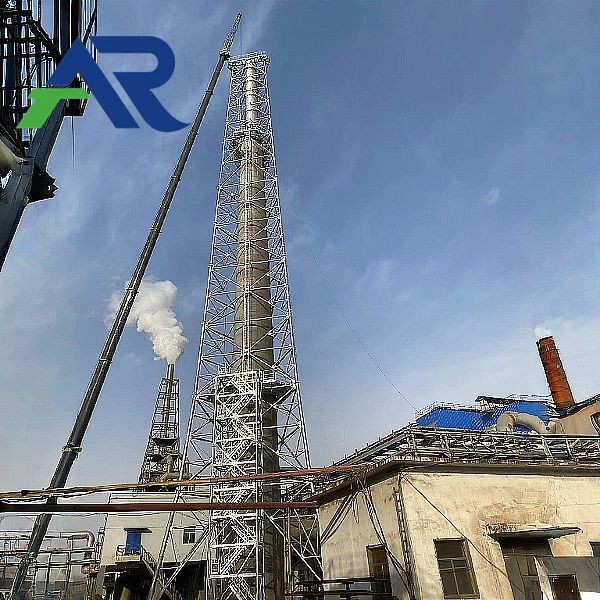
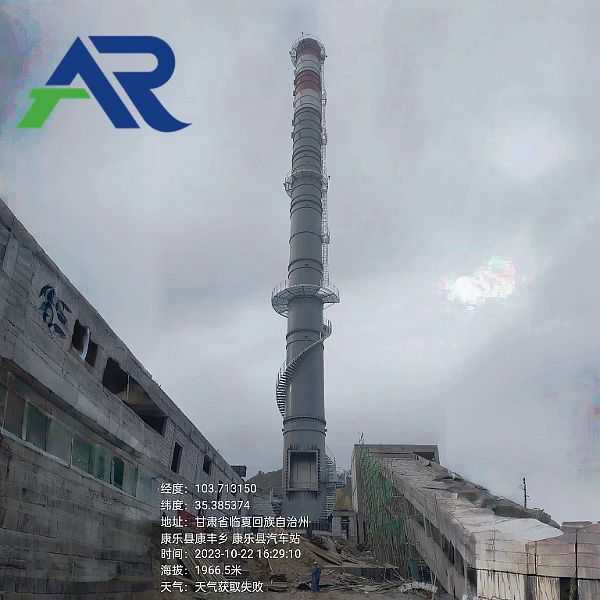
Before discussing the role of the inner sleeve, it is important to have a basic understanding of multi-sleeve chimneys. A multi-sleeve chimney consists of multiple concentric sleeves, with each sleeve serving a specific purpose. These chimneys are commonly used in industrial settings, power plants, and large commercial buildings where there is a need to handle multiple types of exhaust gases or where space is limited.
In contrast to Single Sleeve Chimney, which has only one flue for exhaust, multi-sleeve chimneys can accommodate different sources of exhaust within a single structure. This design not only saves space but also provides better control over the flow of exhaust gases. The outer sleeve of a multi-sleeve chimney provides structural support and protection, while the inner sleeves are responsible for the actual conveyance of exhaust gases.
Primary Roles of the Inner Sleeve
1. Exhaust Gas Conveyance
The most fundamental role of the inner sleeve is to convey exhaust gases from the source, such as a boiler or a furnace, to the outside environment. The inner sleeve acts as a dedicated pathway for the hot and often corrosive gases, ensuring that they are safely removed from the building.
Different types of industrial processes generate exhaust gases with varying temperatures, pressures, and chemical compositions. The inner sleeve is designed to withstand these conditions. For example, in a power plant, the inner sleeve may need to handle high-temperature flue gases produced by the combustion of coal or natural gas. By providing a separate channel for these gases, the inner sleeve prevents them from coming into contact with other components of the chimney or the surrounding environment, reducing the risk of damage and contamination.
2. Thermal Insulation
Another important role of the inner sleeve is thermal insulation. The exhaust gases flowing through the inner sleeve are typically very hot, and without proper insulation, a significant amount of heat would be lost to the surrounding environment. This not only wastes energy but also increases the temperature of the outer sleeve and the chimney structure, which can lead to thermal expansion and potential structural damage.
The inner sleeve is often made of materials with high thermal resistance, such as ceramic fiber or refractory materials. These materials help to keep the heat inside the inner sleeve, reducing heat loss and maintaining the efficiency of the exhaust system. Additionally, thermal insulation helps to protect the outer sleeve and other components of the chimney from the high temperatures of the exhaust gases, extending their lifespan.
3. Corrosion Protection
Exhaust gases often contain corrosive substances, such as sulfur dioxide, nitrogen oxides, and acidic condensates. These substances can cause severe corrosion to the chimney structure if not properly managed. The inner sleeve acts as a barrier between the corrosive gases and the outer sleeve and other components of the chimney.
The material of the inner sleeve is carefully selected to resist corrosion. For example, stainless steel is a commonly used material for inner sleeves in many industrial applications due to its excellent corrosion resistance. By protecting the outer sleeve and the chimney structure from corrosion, the inner sleeve helps to ensure the long-term durability and reliability of the multi-sleeve chimney.
4. Gas Separation
In multi-sleeve chimneys, different inner sleeves can be used to separate exhaust gases from different sources. This is particularly important when the exhaust gases have different chemical compositions or require different treatment processes. For example, in a chemical plant, one inner sleeve may be used to convey exhaust gases from a process that produces acidic gases, while another inner sleeve may be used for gases from a process that produces alkaline gases.
By separating these gases, the inner sleeves prevent chemical reactions between different types of exhaust gases, which could lead to the formation of harmful by-products or the corrosion of the chimney structure. Gas separation also allows for more efficient treatment of exhaust gases, as each type of gas can be directed to a specific treatment system.
Impact on Chimney Performance
The proper functioning of the inner sleeve has a significant impact on the overall performance of the multi-sleeve chimney. A well-designed and properly installed inner sleeve can improve the efficiency of the exhaust system, reduce energy consumption, and extend the lifespan of the chimney.
For example, if the inner sleeve provides good thermal insulation, less heat will be lost during the exhaust process, which means that the equipment generating the exhaust gases can operate more efficiently. This can result in cost savings for the facility owner in terms of energy consumption. Additionally, by protecting the chimney structure from corrosion and damage, the inner sleeve reduces the need for frequent maintenance and repairs, minimizing downtime and maintenance costs.
Considerations for Inner Sleeve Design and Selection
When designing and selecting an inner sleeve for a multi-sleeve chimney, several factors need to be considered. These include the type and composition of the exhaust gases, the temperature and pressure of the gases, the size and layout of the chimney, and the expected lifespan of the inner sleeve.
The material of the inner sleeve should be chosen based on the specific requirements of the application. For high-temperature applications, materials such as ceramic fiber or refractory materials may be more suitable, while for applications where corrosion resistance is a major concern, stainless steel or other corrosion-resistant alloys may be preferred.
The size and shape of the inner sleeve also need to be carefully designed to ensure proper gas flow. A sleeve that is too small may restrict the flow of exhaust gases, leading to increased backpressure and reduced efficiency. On the other hand, a sleeve that is too large may result in poor gas mixing and uneven flow distribution.
Conclusion
In conclusion, the inner sleeve plays a vital role in a multi-sleeve chimney. It is responsible for exhaust gas conveyance, thermal insulation, corrosion protection, and gas separation. By performing these functions, the inner sleeve ensures the safe and efficient operation of the multi-sleeve chimney, protects the environment, and extends the lifespan of the chimney structure.
As a leading supplier of Multi-sleeve Chimney and Stainless Steel Factory Chimney, we understand the importance of providing high-quality inner sleeves that meet the specific needs of our customers. If you are in the market for a multi-sleeve chimney or need to replace the inner sleeve of your existing chimney, we invite you to contact us for a consultation. Our team of experts can help you select the right inner sleeve and chimney system for your application, ensuring optimal performance and long-term reliability.
References
- "Industrial Chimney Design and Construction" by John Smith
- "Corrosion Resistance of Materials in Exhaust Gas Environments" by Jane Doe
- "Thermal Insulation in Chimney Systems" by Robert Johnson