

Hey there! As a supplier of Fiberglass Tower Chimney, I often get asked about the maximum temperature these chimneys can withstand. It's a crucial question, especially for industries that deal with high - heat processes. So, let's dive right in and explore this topic.
Understanding Fiberglass Tower Chimneys
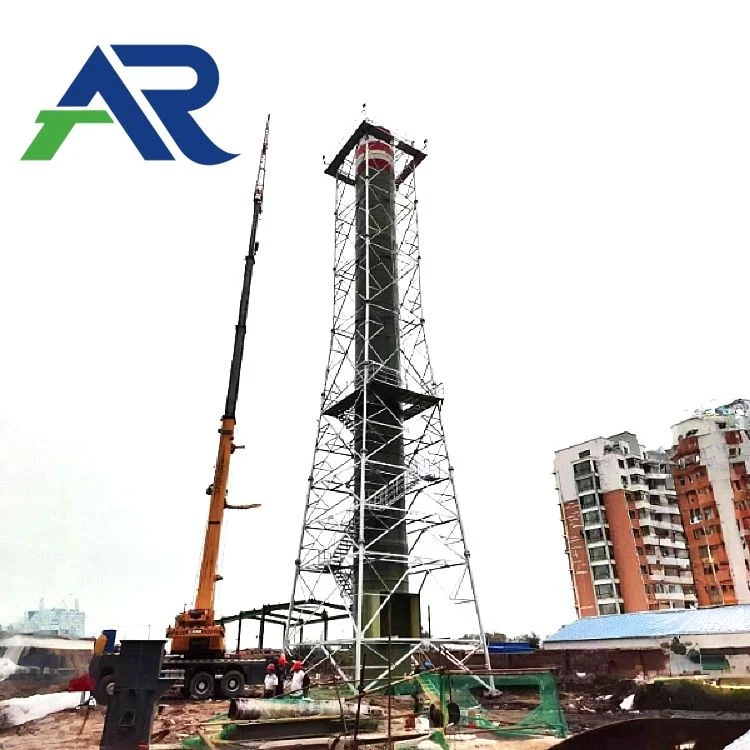
First off, let's talk a bit about what fiberglass tower chimneys are. They're made from fiberglass - reinforced plastic (FRP), which is a composite material. FRP combines a polymer matrix with glass fibers. This combination gives fiberglass tower chimneys some great properties like being lightweight, corrosion - resistant, and relatively easy to install compared to traditional chimneys.
Now, when it comes to temperature resistance, it's not as straightforward as you might think. There are several factors that can affect how much heat a fiberglass tower chimney can handle.
Factors Affecting Temperature Resistance
Resin Type
The type of resin used in the fiberglass is a major factor. Different resins have different heat - resistant properties. For example, polyester resins are commonly used in fiberglass products. They're relatively inexpensive and offer decent performance, but their temperature resistance is limited. Polyester resins can typically withstand temperatures up to around 120 - 150°C (248 - 302°F).
On the other hand, vinyl ester resins are a step up in terms of heat resistance. They can handle temperatures in the range of 150 - 200°C (302 - 392°F). These resins are more expensive than polyester, but they're often used in applications where higher temperatures are expected.
There are also specialty resins like phenolic resins. Phenolic - based fiberglass composites can withstand even higher temperatures, sometimes up to 260°C (500°F) or more. However, these specialty resins come with a higher price tag and may have some limitations in terms of processing and mechanical properties.
Thickness of the Chimney Wall
The thickness of the fiberglass chimney wall also plays a role. A thicker wall can provide better insulation and heat dissipation. If the wall is too thin, heat can penetrate more easily and cause damage to the fiberglass structure. For normal industrial applications, a wall thickness of around 6 - 10 mm might be sufficient for handling moderate temperatures. But for high - temperature environments, thicker walls, say 15 - 20 mm or more, may be required.

Reinforcement Fibers
The type and amount of reinforcement fibers used in the fiberglass can impact temperature resistance. Glass fibers come in different types, such as E - glass and S - glass. S - glass fibers have better mechanical properties and higher heat resistance compared to E - glass. The more fibers there are in the composite, the better the overall strength and heat - handling capacity.
Typical Maximum Temperatures
In general, for most standard fiberglass tower chimneys used in common industrial settings, the maximum continuous operating temperature is around 180 - 200°C (356 - 392°F). This is a good balance between cost, performance, and durability.
However, if you're dealing with short - term temperature spikes, fiberglass tower chimneys can sometimes handle temperatures a bit higher. For example, they might be able to tolerate temperatures up to 230 - 250°C (446 - 482°F) for a few minutes without significant damage.
It's important to note that if the temperature exceeds the recommended limits for an extended period, it can cause several problems. The resin can start to degrade, which weakens the structure of the chimney. This can lead to cracking, delamination (where the layers of the fiberglass separate), and a loss of the chimney's corrosion - resistant properties.
Comparing with Other Types of Tower Chimneys
Now, let's compare fiberglass tower chimneys with Titanium Steel Composite Plate Tower Chimney. Titanium steel composite plate chimneys are known for their excellent heat resistance. They can easily withstand temperatures above 500°C (932°F) and are often used in very high - temperature industrial processes like power generation and steelmaking.
However, these chimneys are much heavier and more expensive than fiberglass ones. Fiberglass tower chimneys are a great option for industries where the temperature requirements are not extremely high, and cost - effectiveness, corrosion resistance, and ease of installation are important factors.
Real - World Applications
In many chemical processing plants, fiberglass tower chimneys are used to exhaust fumes and gases. These plants often have processes that generate heat, but the temperatures are usually within the range that fiberglass can handle. For example, in a plant that produces plastics or synthetic rubber, the exhaust gases might be at temperatures around 150 - 180°C (302 - 356°F), which is well within the capabilities of a properly designed fiberglass chimney.
In wastewater treatment facilities, fiberglass tower chimneys are also commonly used. The gases released during the treatment process are typically at relatively low temperatures, and the corrosion - resistant properties of fiberglass make it an ideal choice.
Ensuring Safe Operation
If you're using a fiberglass tower chimney, it's crucial to monitor the temperature regularly. Installing temperature sensors at strategic points along the chimney can help you keep track of the heat levels. If the temperature starts to approach the maximum recommended limit, you may need to take steps to reduce the heat, such as adjusting the industrial process or improving the ventilation around the chimney.
It's also important to have a maintenance schedule. Regular inspections can help detect any early signs of damage caused by heat or other factors. If any issues are found, they should be addressed promptly to prevent further deterioration of the chimney.
Conclusion
So, to sum it up, the maximum temperature a fiberglass tower chimney can withstand depends on several factors like the resin type, wall thickness, and reinforcement fibers. For most standard applications, the continuous operating temperature is around 180 - 200°C (356 - 392°F), but it can handle short - term spikes a bit higher.
If you're in the market for a tower chimney and are considering a fiberglass option, I'd be more than happy to help. Whether you need advice on the right type of chimney for your specific temperature requirements or want to discuss a potential purchase, don't hesitate to reach out. We're here to ensure you get the best solution for your industrial needs.
References
- "Handbook of Fiberglass - Reinforced Plastics" by James C. Watson
- "Composites Materials: Science and Engineering" by P. K. Mallick
- Industry reports on fiberglass and chimney manufacturing