
Hey there! I'm a supplier of corrugated steel culverts, and today I want to chat about something that might not be on everyone's radar but is super important: the impact of vegetation growth on corrugated steel culverts.
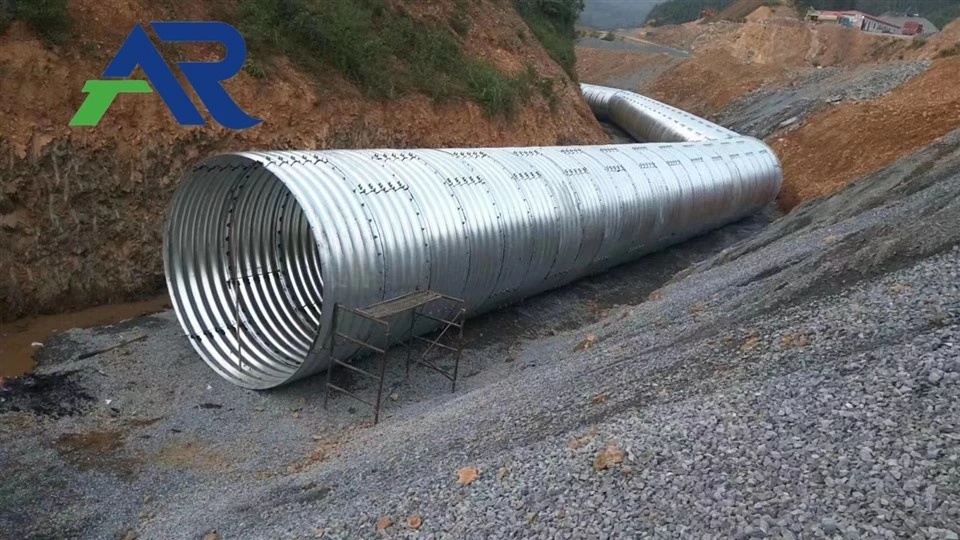
First off, let's talk a bit about what corrugated steel culverts are. They're basically pipes made of steel with corrugations on the surface. These culverts are used in all sorts of construction projects, like roads, railways, and drainage systems. They're strong, durable, and can handle a lot of pressure. You can check out our Steel Corrugated Culvert for more details on the products we offer.
Now, let's get into the vegetation part. Vegetation growth around and on corrugated steel culverts can have both positive and negative impacts.
Positive Impacts
1. Erosion Control
One of the biggest benefits of vegetation around culverts is erosion control. When plants grow near the culvert, their roots hold the soil in place. This is especially important in areas with heavy rainfall or where the soil is loose. Without proper erosion control, the soil around the culvert can wash away, which could lead to the culvert becoming unstable. For example, in a hilly area where a culvert is used for drainage, the roots of grass or shrubs can prevent the soil from sliding down and exposing the culvert.
2. Temperature Regulation
Vegetation can also help regulate the temperature around the culvert. During hot summer days, the shade provided by trees or large plants can keep the culvert cooler. This is important because extreme heat can cause the steel to expand, which might put stress on the culvert structure over time. On the other hand, in cold winters, the vegetation can act as an insulator, reducing the impact of freezing temperatures on the culvert.
3. Aesthetic Appeal
Let's not forget about the visual aspect. Vegetation can make the area around the culvert look more natural and appealing. This is especially important in areas where the culvert is visible, like in a park or a residential area. Instead of having a bare, industrial-looking culvert, it can blend in better with the surrounding environment when there are plants growing around it.
Negative Impacts
1. Root Penetration
One of the major concerns with vegetation growth is root penetration. The roots of some plants, especially trees, can grow into the joints or cracks of the corrugated steel culvert. As the roots grow, they can exert pressure on the culvert walls, causing them to crack or deform. This can lead to leaks and reduce the overall structural integrity of the culvert. For instance, if a large tree is planted too close to a culvert, its roots might eventually find their way into the culvert and cause significant damage.
2. Blockage of Inlets and Outlets
Vegetation can also block the inlets and outlets of the culvert. Leaves, branches, and other plant debris can accumulate at the openings, preventing water from flowing freely through the culvert. This can lead to flooding, which not only damages the culvert but can also cause problems in the surrounding area. In a drainage system, for example, a blocked culvert can cause water to back up and flood nearby roads or properties.
3. Corrosion
Some plants release chemicals into the soil that can accelerate the corrosion of the steel culvert. For example, certain types of shrubs or grasses might produce acidic substances that can eat away at the protective coating on the steel. Over time, this can lead to rust and corrosion, reducing the lifespan of the culvert.
Managing Vegetation Growth
So, how can we manage vegetation growth around corrugated steel culverts to maximize the positive impacts and minimize the negative ones?
1. Proper Plant Selection
When planning the landscaping around a culvert, it's important to choose the right plants. Avoid planting large trees or plants with aggressive root systems too close to the culvert. Instead, opt for low-growing plants with shallow roots, like groundcovers or small shrubs. These plants can still provide erosion control and aesthetic appeal without posing a significant risk to the culvert.

2. Regular Maintenance
Regular maintenance is key to keeping the vegetation around the culvert in check. This includes trimming plants, removing dead leaves and branches, and inspecting the culvert for any signs of root penetration or blockage. By staying on top of maintenance, you can catch any potential problems early and prevent them from becoming major issues.
3. Installation of Barriers
In some cases, it might be necessary to install barriers to prevent root penetration. There are special root barriers available that can be placed around the culvert to stop the roots from growing into it. These barriers are usually made of a durable material that can withstand the pressure of the roots.
Our Products and Solutions
As a corrugated steel culvert supplier, we understand the importance of dealing with vegetation growth around our products. That's why we offer a range of high-quality culverts that are designed to be durable and resistant to the effects of vegetation. Our Wind Tower Foundation Corrugated Outer Tube and Corrugated Pipe for Coal Mine Corridor are just a couple of examples of our products that are built to last in various environments.
If you're in the market for corrugated steel culverts and want to learn more about how to manage vegetation growth around them, feel free to reach out. We're here to help you find the right solution for your project and ensure that your culverts perform well for years to come. Whether you're a contractor, an engineer, or a property owner, we can provide you with the expertise and products you need.
References
- Smith, J. (2018). "The Effects of Vegetation on Infrastructure". Journal of Environmental Engineering.
- Johnson, R. (2019). "Managing Vegetation around Corrugated Steel Structures". Construction Magazine.
- Brown, A. (2020). "Corrosion and Vegetation in Steel Culverts". Materials Science Journal.