

The foundation design of a communication tower building is a critical aspect that significantly influences the tower's stability, safety, and long - term performance. As a communication tower building supplier, I have witnessed firsthand the importance of getting the foundation design right. In this blog, I will delve into the key elements of foundation design for communication towers.
1. Understanding the Loads on Communication Towers
Before designing the foundation, it is essential to understand the various loads that a communication tower will experience. These loads can be classified into several categories.
Dead Loads
Dead loads are the permanent weights of the tower structure itself, including the steel or concrete components, antennas, and any attached equipment. For example, a large - scale communication tower with multiple high - gain antennas and associated electronics will have a substantial dead load. The dead load is relatively constant over time and is calculated based on the materials' density and the volume of the components.
Live Loads
Live loads are variable loads that the tower may encounter during its service life. This includes the weight of maintenance personnel, tools, and any additional equipment that might be temporarily installed on the tower. Wind is also considered a live load. High - speed winds can exert significant lateral forces on the tower, causing bending moments and shear forces at the base. The magnitude of wind - induced loads depends on factors such as the tower's height, shape, and the local wind climate.
Seismic Loads
In regions prone to earthquakes, seismic loads are a crucial consideration. Earthquakes generate ground motions that can cause the tower to vibrate and experience dynamic forces. The design of the foundation must be able to withstand these seismic forces to prevent the tower from collapsing during an earthquake. The seismic loads are determined based on the seismic zone of the location, the tower's structural characteristics, and the expected ground acceleration.
2. Site Investigation
A thorough site investigation is the first step in foundation design. This involves collecting information about the soil conditions at the tower site.
Soil Properties
Soil properties such as soil type, density, shear strength, and compressibility play a vital role in foundation design. For instance, cohesive soils like clay have different load - bearing capacities compared to granular soils like sand. A geotechnical engineer will conduct tests such as soil borings, cone penetration tests, and laboratory analysis to determine these properties accurately.
Groundwater Level
The groundwater level at the site is another important factor. High groundwater levels can reduce the effective stress in the soil, which in turn affects the soil's shear strength. In addition, water can cause corrosion of the foundation materials, especially if the foundation is made of steel. If the groundwater level is close to the ground surface, special measures such as waterproofing and drainage systems may need to be incorporated into the foundation design.
3. Types of Foundations for Communication Towers
Spread Footings
Spread footings are one of the most common types of foundations for communication towers. They are suitable for sites with relatively good soil conditions. A spread footing distributes the tower's loads over a larger area of the soil, reducing the pressure on the soil. The size and shape of the spread footing are determined based on the tower's loads and the soil's bearing capacity. Spread footings can be square, rectangular, or circular in shape.
Pile Foundations
In cases where the soil near the ground surface has low bearing capacity, pile foundations are often used. Piles are long, slender members that are driven or drilled into the ground to transfer the tower's loads to a deeper, more competent soil layer. There are different types of piles, such as driven piles (e.g., steel piles, concrete piles) and bored piles. Driven piles are installed by hammering or vibrating them into the ground, while bored piles are created by drilling a hole in the ground and then filling it with concrete.
Mat Foundations
Mat foundations, also known as raft foundations, are large, continuous slabs that cover the entire area under the tower. They are used when the soil has low bearing capacity and the tower loads are relatively large. Mat foundations distribute the loads more evenly over a large area, reducing the differential settlement of the tower. This type of foundation is particularly useful for towers located on soft or compressible soils.
4. Design Considerations for Foundation Stability
Bearing Capacity
The foundation must have sufficient bearing capacity to support the tower's loads without excessive settlement or failure. The bearing capacity of the soil is determined by conducting soil tests and using established geotechnical theories. The foundation design should ensure that the applied loads do not exceed the soil's bearing capacity.
Settlement
Settlement is the vertical movement of the foundation under the tower's loads. Excessive settlement can cause problems such as misalignment of antennas, damage to the tower structure, and even collapse. The foundation design should aim to limit the settlement to an acceptable level. This can be achieved by choosing the appropriate foundation type, increasing the foundation size, or improving the soil conditions.
Eccentricity
Eccentric loads can occur when the center of gravity of the tower's loads does not coincide with the center of the foundation. This can be due to factors such as unbalanced antenna installations or wind - induced forces. The foundation design must be able to resist the additional moments and shear forces caused by eccentricity to maintain the tower's stability.
5. Material Selection for Foundations
The choice of materials for the foundation depends on several factors, including the foundation type, the soil conditions, and the expected loads.
Concrete
Concrete is a commonly used material for communication tower foundations. It has high compressive strength, good durability, and can be easily formed into different shapes. Reinforced concrete is often used to enhance the foundation's tensile strength. The concrete mix design should be carefully selected to ensure that it meets the required strength and durability criteria.
Steel
Steel can also be used in foundation construction, especially for pile foundations. Steel piles have high strength - to - weight ratios and can be easily driven into the ground. However, steel is susceptible to corrosion, so proper corrosion protection measures such as coatings and cathodic protection systems are necessary.
6. The Role of Technology in Foundation Design
Advances in technology have greatly improved the accuracy and efficiency of foundation design for communication towers.
Computer - Aided Design (CAD)
CAD software allows engineers to create detailed 3D models of the tower and its foundation. This helps in visualizing the design, analyzing the loads and stresses, and making necessary modifications before construction. CAD models can also be used to generate construction drawings and specifications.
Finite Element Analysis (FEA)
FEA is a powerful tool for analyzing the structural behavior of the tower and its foundation under different loading conditions. It can simulate the complex interactions between the tower, the foundation, and the soil, providing detailed information about the stresses, strains, and displacements. FEA can help in optimizing the foundation design and ensuring its safety and reliability.
7. Quality Control and Construction Monitoring
During the construction of the foundation, quality control is essential to ensure that the design specifications are met. This includes checking the materials' quality, the construction processes, and the dimensions of the foundation. Construction monitoring, such as measuring the settlement and inclination of the foundation during and after construction, can provide valuable information about the foundation's performance. Any deviations from the design can be detected early and corrective measures can be taken.
8. Related Tower Products
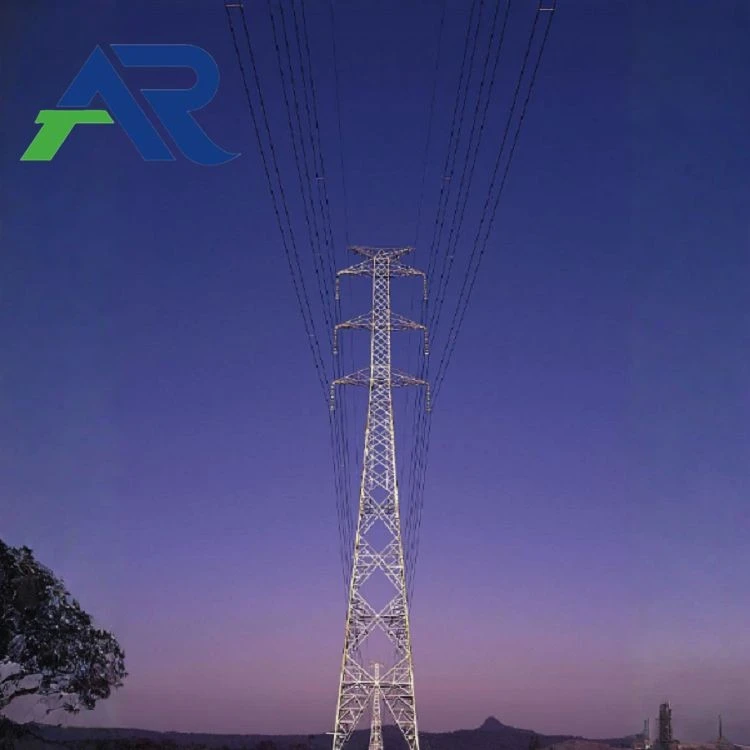
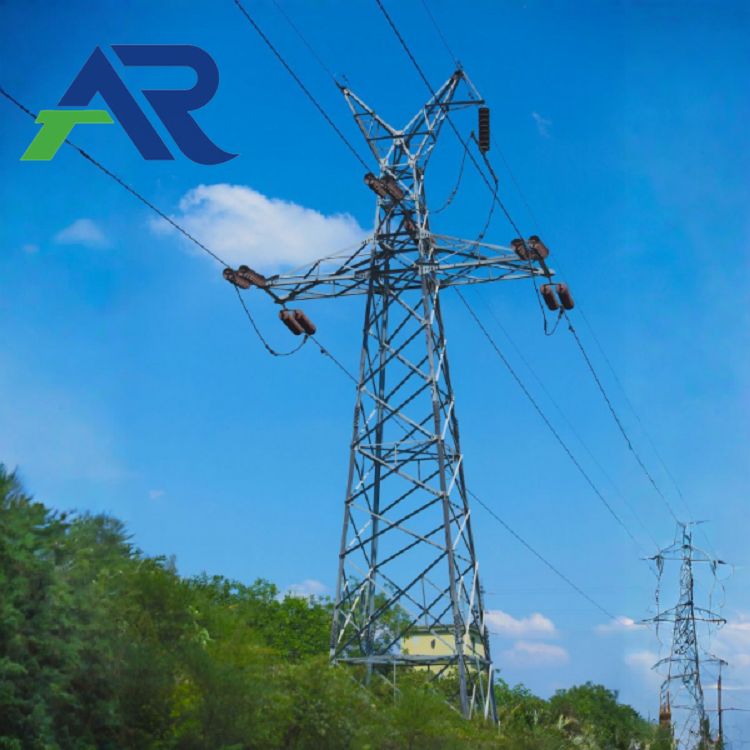
As a communication tower building supplier, we offer a variety of tower products. For those interested in iron towers, you can visit our Iron Towers page. Our Electric Power Tower is another option for power - related applications. And if you are looking for a tower for electricity transmission, our Electrical Tower For Electricity Transmission might be the right choice.
In conclusion, the foundation design of a communication tower building is a complex and crucial process that requires a comprehensive understanding of the loads, soil conditions, and various design considerations. As a communication tower building supplier, we are committed to providing high - quality tower solutions with well - designed foundations. If you are in the market for communication towers and need a reliable supplier, feel free to contact us for procurement and further discussions.
References
- Bowles, J. E. (1996). Foundation Analysis and Design. McGraw - Hill.
- Das, B. M. (2010). Principles of Foundation Engineering. Cengage Learning.
- ASCE 7 - 16. (2016). Minimum Design Loads and Associated Criteria for Buildings and Other Structures. American Society of Civil Engineers.