
Hey there! As a supplier of Electric Power Towers, I've had my fair share of experience dealing with different types of these structures. And let me tell you, they're not all the same. In this blog, I'm gonna break down the differences between various types of electric power towers, so you can have a better understanding of what you might need for your project.
Lattice Towers
First up, we've got lattice towers. These are the classic, old - school power towers that you see all over the place. They're made up of a framework of steel bars or angles that form a lattice pattern. Lattice towers are super strong and can handle a lot of weight. They're great for long - distance power transmission because they can support high - voltage power lines over large spans.
One of the big advantages of lattice towers is their cost - effectiveness. Since they're made from relatively simple materials and the design is well - established, they're usually cheaper to manufacture and install compared to some other types of towers. They're also very customizable. You can adjust the height, the width, and the shape of the lattice to fit different terrain and power requirements.
However, lattice towers do have some drawbacks. They're quite large and can be a bit of an eyesore in some areas. Also, they require a fair amount of maintenance. The steel can rust over time, especially in areas with high humidity or salt air, so regular inspections and coatings are necessary to keep them in good condition.
If you're interested in learning more about these types of structures, you can check out Electric Power Tower.
Tubular Towers
Next on the list are tubular towers. These towers are made from large - diameter steel tubes. They have a much more modern and sleek appearance compared to lattice towers. Tubular towers are often used in urban or suburban areas where aesthetics matter. They blend in better with the surrounding environment and are less obtrusive.

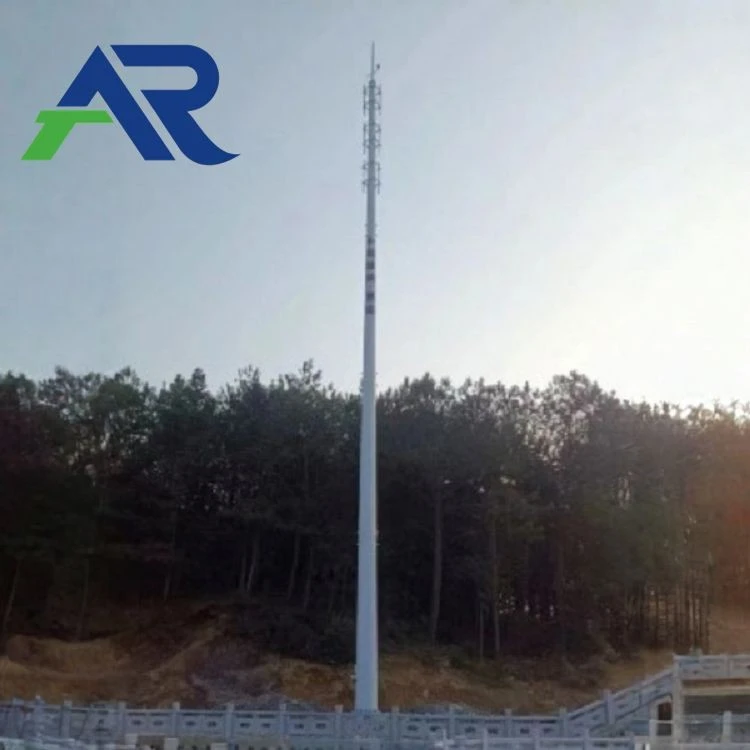
In terms of performance, tubular towers are also quite strong. They can support high - voltage lines, but they're typically used for shorter spans compared to lattice towers. They're also more resistant to corrosion than lattice towers because the smooth surface of the tubes is less likely to trap moisture and dirt.
The installation of tubular towers is generally quicker and easier than lattice towers. They have fewer parts, so there's less assembly required on - site. However, they're more expensive to manufacture. The steel tubes are more costly than the steel bars used in lattice towers, and the manufacturing process is more complex.
If you're looking for a tower that's both functional and visually appealing, tubular towers might be the way to go. You can find more details about electrical towers for electricity transmission at Electrical Tower For Electricity Transmission.
Guyed Towers
Guyed towers are another type that's worth mentioning. These towers rely on guy wires for support. The tower itself is relatively thin and tall, and it's held in place by a series of wires that are anchored to the ground at a distance from the base of the tower.
One of the main advantages of guyed towers is their cost - efficiency. They use less steel compared to lattice or tubular towers because the guy wires do a lot of the work in supporting the structure. This makes them a great option for projects with a tight budget.
Guyed towers are also quite flexible in terms of height. You can build them taller than many other types of towers without having to increase the base size significantly. This makes them suitable for applications where you need to reach a certain height, like for radio or communication purposes.
But guyed towers also have some limitations. The guy wires take up a lot of space around the tower, which can be a problem in areas with limited land. They're also more vulnerable to damage from strong winds or storms. If a guy wire breaks, it can cause the tower to become unstable.
If you're involved in Communication Tower Building, you might find guyed towers to be a good option for your needs.
Monopole Towers
Finally, we have monopole towers. These are single - pole structures, usually made from steel or concrete. Monopole towers are very compact and take up very little space. They're often used in urban areas where land is at a premium.
Monopole towers are quick to install. Since they're a single structure, there's no need for complex assembly like with lattice or guyed towers. They also have a very clean and modern look, which makes them popular for areas where aesthetics are important.
In terms of performance, monopole towers can support a reasonable amount of weight, but they're typically used for lower - voltage lines and shorter spans. They're also more expensive per unit of height compared to some other types of towers because of the specialized manufacturing process.
Choosing the Right Tower
So, how do you choose the right type of electric power tower for your project? Well, it depends on several factors.
First, consider the power requirements. If you need to transmit high - voltage power over long distances, lattice towers are probably your best bet. They're strong and can handle the load. For shorter spans and in areas where aesthetics are important, tubular or monopole towers might be more suitable.
The location is also crucial. In urban areas, you'll want a tower that's not too obtrusive and doesn't take up too much space, like a monopole or tubular tower. In rural areas, where space is less of an issue, lattice or guyed towers could be a better choice.
Budget is another important factor. If you're on a tight budget, guyed towers or lattice towers might be more cost - effective. But if you're willing to spend more for a tower that looks good and requires less maintenance, tubular or monopole towers could be worth the investment.
As a supplier of electric power towers, I'm here to help you make the right decision. Whether you're a utility company, a construction firm, or an individual looking to install a small - scale power system, I can provide you with the right tower for your needs. If you're interested in purchasing an electric power tower, feel free to reach out for a consultation and we can discuss your specific requirements.
Conclusion
In conclusion, there are several different types of electric power towers, each with its own set of advantages and disadvantages. Lattice towers are strong and cost - effective but require more maintenance. Tubular towers are sleek and corrosion - resistant but more expensive. Guyed towers are cost - efficient and can reach great heights but take up more space. Monopole towers are compact and aesthetically pleasing but are better for lower - voltage applications.
By understanding the differences between these types of towers, you can make an informed decision when it comes to choosing the right one for your project. And if you need any assistance, don't hesitate to get in touch. I'm always happy to help you find the perfect electric power tower solution.
References
- Power System Engineering textbooks
- Industry reports on electric power tower design and usage
- Manufacturer's specifications for different types of electric power towers