

Hey there! As a supplier of double - layer insulation chimneys, I've been getting a lot of questions lately about the design principle behind these nifty structures. So, I thought I'd take a few minutes to break it down for you.
First off, let's talk about what a double - layer insulation chimney is. It's basically a chimney that consists of two layers. The inner layer is usually made of a material that can withstand high temperatures, like stainless steel or ceramic. This inner layer is where the hot gases from your fireplace, stove, or industrial process pass through. The outer layer, on the other hand, serves as an insulator. It's often made of materials like fiberglass or rock wool, which are great at keeping the heat inside the chimney and preventing it from escaping to the surrounding environment.
Now, let's dive into the design principles. One of the primary goals of a double - layer insulation chimney is to improve efficiency. When you have a single - layer chimney, a lot of heat is lost through the chimney walls. This means that your heating system has to work harder to maintain the desired temperature, which can lead to higher energy bills. With a double - layer insulation chimney, the outer layer acts as a barrier, reducing heat loss. This allows your heating system to operate more efficiently, saving you money in the long run.
Another important design principle is safety. Hot chimneys can pose a fire hazard, especially if they're in close proximity to flammable materials. The insulation in a double - layer chimney helps to keep the outer surface of the chimney cool. This reduces the risk of starting a fire in the surrounding area, whether it's in your home or an industrial setting. For example, in a residential fireplace, the cooler outer surface of the chimney means that you don't have to worry as much about the chimney coming into contact with wooden beams or other combustible materials.
Durability is also a key factor in the design of double - layer insulation chimneys. The inner layer, which is exposed to the harsh conditions of hot gases and potential corrosion, needs to be made of a strong and resistant material. Stainless steel, for instance, is a popular choice because it can withstand high temperatures and is resistant to rust and corrosion. The outer insulation layer also plays a role in protecting the inner layer from external damage, such as physical impacts or weathering.
Proper ventilation is crucial for the effective operation of a chimney. A well - designed double - layer insulation chimney ensures that the hot gases are vented out efficiently. The space between the two layers can also act as a buffer, allowing for better air circulation and preventing the buildup of pressure inside the chimney. This helps to maintain a steady flow of gases, reducing the risk of backdrafts and ensuring that your heating system works properly.
When it comes to different applications, double - layer insulation chimneys can be used in a variety of settings. For residential use, they're commonly found in homes with fireplaces or wood - burning stoves. They provide a safe and efficient way to vent the smoke and hot gases. In industrial settings, these chimneys are used in factories and power plants to handle the large volumes of hot gases produced by industrial processes. You can check out more about industrial chimneys on this Chimney in Factory page.
For those who are looking for a more aesthetically pleasing option, there are also Landscape Chimney designs available. These chimneys are not only functional but also add a touch of style to your outdoor space. And if you're interested in factory - built chimneys, you can find more information on the Factory Built Chimney page.

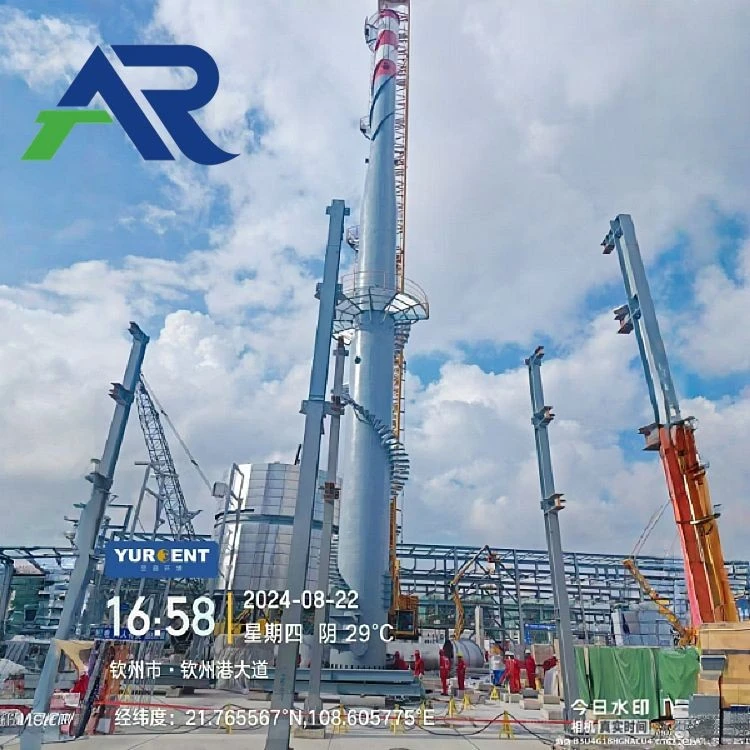
Now, I know what you might be thinking. "This all sounds great, but how do I choose the right double - layer insulation chimney for my needs?" Well, there are a few things to consider. First, you need to think about the size of your heating system. The chimney should be able to handle the volume of hot gases produced by your fireplace, stove, or industrial equipment. You also need to consider the location where the chimney will be installed. If it's in an area with high winds or extreme weather conditions, you might need a more robust and weather - resistant design.
The material of the chimney is also important. As I mentioned earlier, stainless steel is a popular choice for the inner layer, but there are other options available as well. You should choose a material that suits your specific requirements in terms of temperature resistance, corrosion resistance, and cost.
If you're still not sure which double - layer insulation chimney is right for you, don't worry. That's what we're here for! As a supplier, we have a team of experts who can help you make the right choice. We can assess your needs, recommend the best chimney for your situation, and provide you with all the information you need to make an informed decision.
Whether you're a homeowner looking to upgrade your fireplace chimney or an industrial operator in need of a reliable chimney solution, we've got you covered. Our double - layer insulation chimneys are designed with the latest technology and highest quality materials to ensure optimal performance, safety, and durability.
So, if you're interested in learning more or are ready to make a purchase, don't hesitate to get in touch with us. We're eager to have a chat with you about your requirements and find the perfect double - layer insulation chimney for you. Let's get started on improving your heating system and making it more efficient and safe!
References
- Various industry standards and guidelines for chimney design and installation
- Manufacturer's specifications for double - layer insulation chimney materials and components