

As a supplier of Municipal Light Poles, I've been in the industry long enough to understand the ins and outs of the costs associated with replacing a broken municipal light pole. It's not just about the price of the pole itself; there are multiple factors at play that contribute to the overall expense. In this blog, I'll break down these costs and provide you with a comprehensive understanding of what to expect when faced with the need to replace a damaged light pole.
The Cost of the Light Pole
The first and most obvious cost is the price of the light pole itself. Municipal light poles come in various types, materials, and sizes, each with its own price range. For instance, steel poles are generally more affordable than aluminum poles, but they may require more maintenance over time. The height of the pole also plays a significant role in determining its cost. Taller poles typically cost more due to the additional materials and engineering required to ensure their stability.
On average, a basic steel municipal light pole can cost anywhere from $300 to $1,000, depending on its height and specifications. Aluminum poles, on the other hand, can range from $500 to $2,000. These prices are just estimates and can vary depending on the supplier and the market conditions. As a supplier, I offer a wide range of Municipal Light Pole options to suit different budgets and requirements.
Installation Costs
Once you've purchased the light pole, the next step is installation. This is where the costs can start to add up. Installation involves several tasks, including excavation, concrete pouring, and electrical wiring. The complexity of the installation process depends on various factors, such as the location of the pole, the type of soil, and the existing electrical infrastructure.
On average, installation costs can range from $500 to $2,000 per pole. This includes the labor costs for the installation team, as well as the cost of any equipment or materials required for the job. In some cases, additional costs may be incurred if the installation requires special permits or if there are any unforeseen challenges, such as underground utilities or difficult terrain.
Electrical Work
In addition to the installation costs, there may also be electrical work involved in replacing a broken light pole. This includes connecting the pole to the existing electrical grid and installing any necessary lighting fixtures. The cost of electrical work can vary depending on the complexity of the job and the type of lighting fixtures being used.
On average, electrical work can cost anywhere from $200 to $1,000 per pole. This includes the cost of the electrical components, such as wiring, transformers, and switches, as well as the labor costs for the electrician. It's important to hire a licensed and experienced electrician to ensure that the electrical work is done safely and up to code.
Disposal of the Old Pole
Another cost to consider is the disposal of the old light pole. Once the new pole is installed, the old pole needs to be removed and disposed of properly. This can involve transportation costs, as well as the cost of recycling or disposing of the pole at a landfill.
On average, the cost of disposing of an old light pole can range from $100 to $500, depending on the size and weight of the pole and the distance to the disposal site. As a supplier, I can provide guidance on the proper disposal methods and may be able to assist with the removal and transportation of the old pole.
Maintenance and Repair Costs
Finally, it's important to consider the long-term maintenance and repair costs associated with the new light pole. Over time, light poles may require regular maintenance, such as painting, cleaning, and inspection, to ensure their longevity and performance. In addition, there may be occasional repair costs if the pole is damaged or if the lighting fixtures need to be replaced.
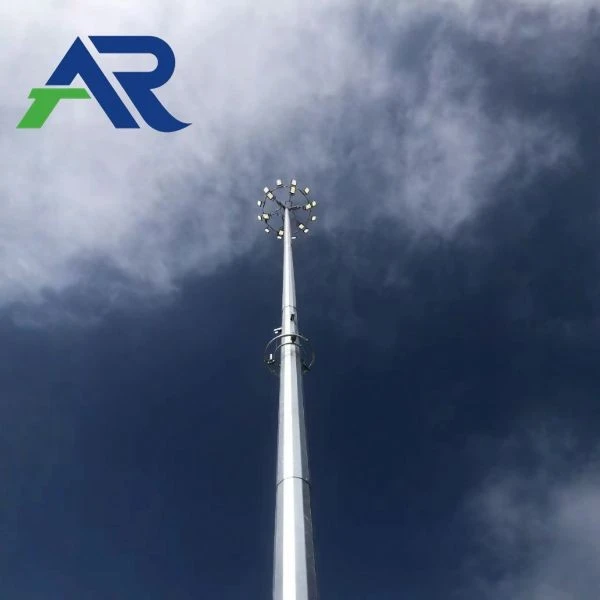
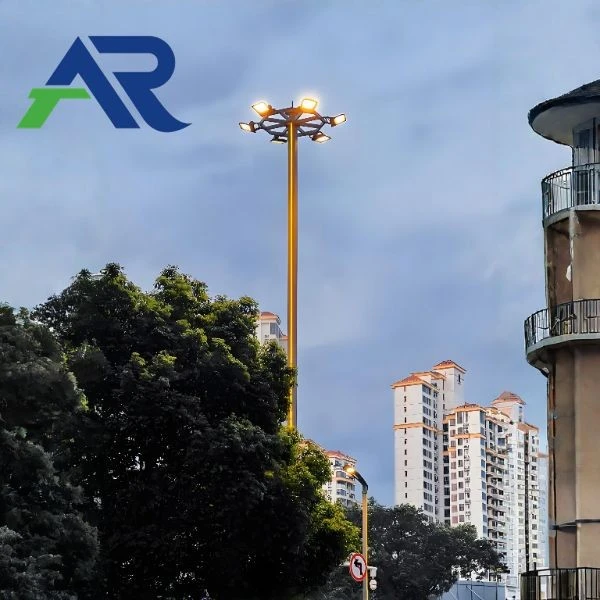
The cost of maintenance and repair can vary depending on the type of pole and the frequency of use. On average, annual maintenance costs can range from $50 to $200 per pole. It's important to factor in these costs when budgeting for the replacement of a broken light pole.
Factors Affecting the Cost
There are several factors that can affect the cost of replacing a broken municipal light pole. These include:
- Location: The location of the pole can have a significant impact on the cost. Poles located in remote or hard-to-reach areas may require additional transportation and installation costs.
- Type of Pole: As mentioned earlier, the type of pole (e.g., steel, aluminum) and its specifications (e.g., height, diameter) can affect the cost.
- Lighting Fixtures: The type and quality of the lighting fixtures being used can also impact the cost. High-end fixtures may be more expensive but may also provide better illumination and energy efficiency.
- Market Conditions: The cost of materials and labor can fluctuate depending on the market conditions. For example, during periods of high demand, the cost of steel and aluminum may increase, which can drive up the price of the light pole.
Conclusion
Replacing a broken municipal light pole involves several costs, including the cost of the pole itself, installation, electrical work, disposal of the old pole, and long-term maintenance and repair. The total cost can vary depending on various factors, such as the location, type of pole, lighting fixtures, and market conditions. As a supplier of Municipal Light Pole, I can provide you with a detailed quote based on your specific requirements and help you navigate the process of replacing a broken light pole.
If you're in the market for a new municipal light pole or need assistance with the replacement of a broken pole, I encourage you to [contact me](insert contact link or email). I'd be happy to discuss your needs and provide you with a customized solution that meets your budget and requirements.
References
- American Public Works Association. (2019). Street Lighting Design Guidelines.
- International Association of Lighting Designers. (2020). Lighting Specification Handbook.
- National Electrical Manufacturers Association. (2021). Lighting Industry Standards and Guidelines.