
Hey there! As a supplier of Multi-sleeve Chimneys, I often get asked about the cost of these bad boys. So, I thought I'd take a few minutes to break it down for you and give you a better idea of what goes into pricing a Multi-sleeve Chimney.
First off, let's talk about what a Multi-sleeve Chimney is. A Multi-sleeve Chimney, as the name suggests, consists of multiple sleeves or layers. These sleeves can serve different purposes, such as providing insulation, protecting against corrosion, or allowing for the simultaneous venting of different types of gases. It's a more complex and versatile option compared to a Single Sleeve Chimney, which, as you might guess, has only one sleeve.
Now, when it comes to the cost of a Multi-sleeve Chimney, there are several factors that come into play. The first and most obvious one is the material.
Material Costs
Multi-sleeve Chimneys can be made from a variety of materials, but one of the most popular choices is stainless steel. Stainless steel is durable, resistant to corrosion, and can withstand high temperatures, making it ideal for chimney applications. Stainless Steel Factory Chimneys are a common sight in industrial settings. However, stainless steel can be quite expensive, especially if you're looking for high - grade, thick - walled stainless steel. The cost of the stainless steel will depend on the quality, thickness, and the current market price of the metal.
Other materials like aluminum or carbon steel can also be used, but they have their own pros and cons. Aluminum is lightweight and relatively inexpensive, but it may not be as durable as stainless steel, especially in high - temperature or corrosive environments. Carbon steel is strong and can be more affordable than stainless steel, but it is prone to rust and may require additional coatings or treatments to protect it.
Size and Dimensions
The size of the Multi-sleeve Chimney is another major factor in determining its cost. Larger chimneys require more material, more labor to install, and may also need additional structural support. The height of the chimney is particularly important. Taller chimneys need to be more stable and may require special engineering and construction techniques to ensure they can withstand wind, seismic activity, and other environmental factors.
The diameter of the chimney also matters. A wider chimney will need more material for the sleeves and will generally be more expensive to manufacture and install. Additionally, if the chimney has a non - standard shape or size, it may require custom fabrication, which can add to the cost.
Insulation Requirements
One of the key features of a Multi-sleeve Chimney is the ability to provide insulation. Insulation helps to reduce heat loss, prevent condensation inside the chimney, and improve the overall energy efficiency of the system. Different types of insulation materials are available, each with its own cost.
Fiberglass insulation is a common and relatively inexpensive option. It's easy to install and provides good thermal insulation. However, it may not be suitable for all applications, especially in high - temperature environments. Ceramic fiber insulation is more expensive but can withstand much higher temperatures and is a better choice for industrial chimneys.
The thickness of the insulation also affects the cost. Thicker insulation will provide better thermal performance but will also require more material and more labor to install.
Installation Complexity
Installing a Multi-sleeve Chimney is not a simple task. It requires specialized skills and equipment. The complexity of the installation depends on several factors, such as the location of the chimney, the existing infrastructure, and the access to the installation site.
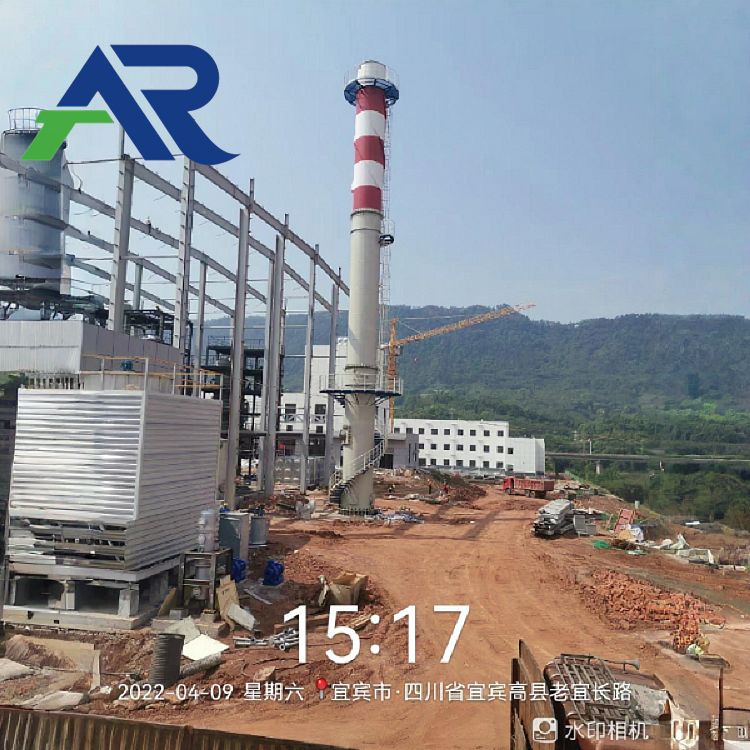
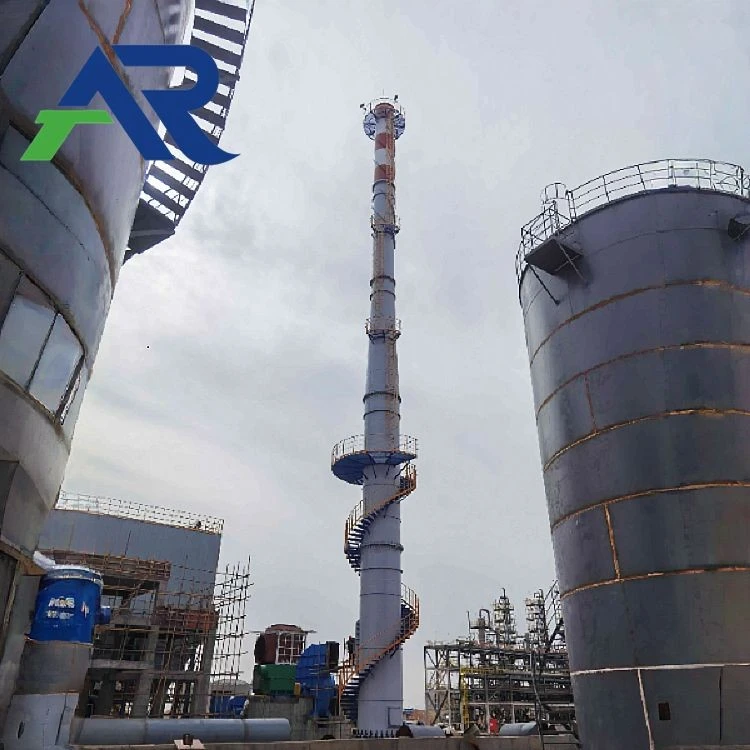
If the chimney needs to be installed in a confined space or in an area with limited access, it may require more time and effort to complete the installation. This will increase the labor cost. Additionally, if the installation requires any modifications to the existing building or structure, such as cutting through floors or walls, it will add to the overall cost.
Additional Features and Accessories
Multi-sleeve Chimneys can come with a variety of additional features and accessories that can affect the cost. For example, some chimneys may have dampers, which are used to control the flow of air and gases inside the chimney. Dampers can be manual or automatic, and automatic dampers are generally more expensive.
Other accessories include rain caps, spark arrestors, and inspection ports. These accessories are important for the proper functioning and maintenance of the chimney but will also add to the total cost.
Comparing with Single Sleeve Chimneys
When considering the cost of a Multi-sleeve Chimney, it's worth comparing it to a Single Sleeve Chimney. Single sleeve chimneys are simpler in design and generally less expensive. They have only one sleeve, which means less material and less labor for manufacturing and installation.
However, they may not offer the same level of insulation, corrosion protection, or versatility as a Multi-sleeve Chimney. If you need to vent multiple types of gases, or if you're looking for a high - performance, energy - efficient chimney, a Multi-sleeve Chimney may be worth the extra cost.
Pricing Range
So, what kind of price range are we talking about? Well, it's hard to give an exact figure because the cost can vary widely depending on the factors I've mentioned above. A small, basic Multi-sleeve Chimney made from standard materials and with minimal features could cost anywhere from a few thousand dollars to around $10,000.
On the other hand, a large, industrial - grade Multi-sleeve Chimney made from high - quality stainless steel, with advanced insulation and additional features, could cost upwards of $50,000 or more.
Conclusion
In conclusion, the cost of a Multi-sleeve Chimney is determined by a combination of factors, including material, size, insulation, installation complexity, and additional features. While it may be more expensive than a Single Sleeve Chimney, the benefits of a Multi-sleeve Chimney, such as better insulation, corrosion protection, and versatility, can make it a worthwhile investment.
If you're in the market for a Multi-sleeve Chimney, I'd be more than happy to discuss your specific needs and provide you with a detailed quote. Just reach out to us, and we can start the conversation about finding the perfect Multi-sleeve Chimney for your project.
References
- "Chimney Design and Installation Handbook"
- "Materials for Industrial Chimneys: A Comparative Analysis"
- Industry reports on chimney manufacturing and installation costs