

Hey there! As a supplier of Multi-sleeve Chimneys, I often get asked about the clearance required between a multi-sleeve chimney and combustible materials. It's a super important topic, so I thought I'd share some insights with you all.
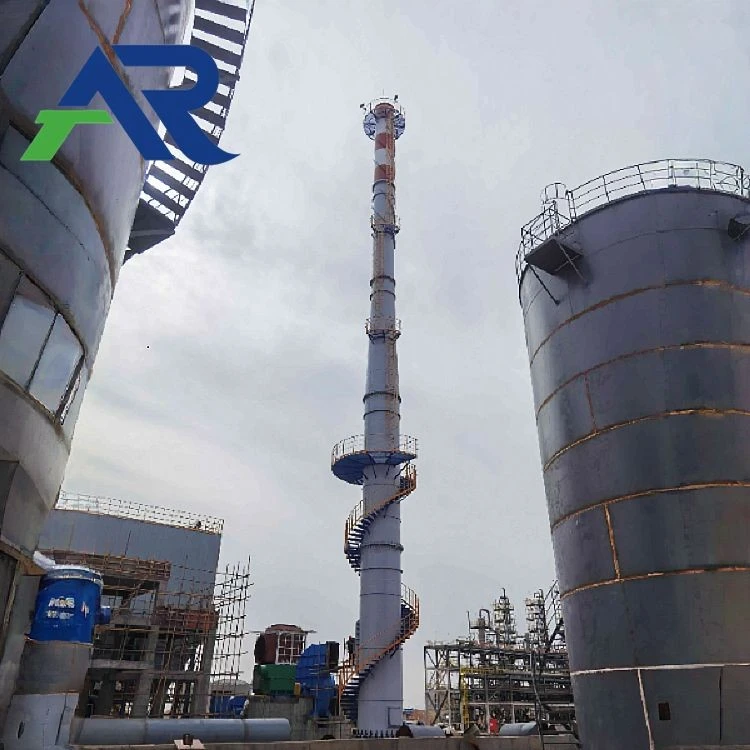
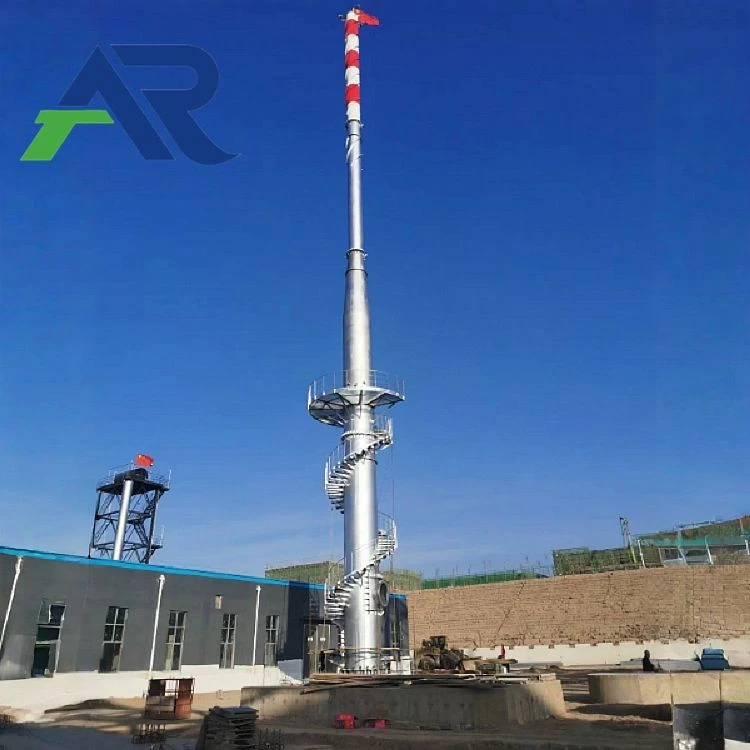
First off, let's talk a bit about what a Multi-sleeve Chimney is. A Multi-sleeve Chimney, you can check it out here, is a type of chimney that has multiple layers or sleeves. These sleeves can serve different purposes, like providing better insulation, improving draft, or protecting the inner parts of the chimney. It's a pretty cool piece of equipment, especially for industrial or large - scale applications.
Now, why is the clearance between the chimney and combustible materials so crucial? Well, chimneys get really hot when in use. If they're too close to combustible materials like wood, paper, or certain types of insulation, there's a huge risk of fire. The heat radiating from the chimney can ignite these materials, which is obviously a big no - no. So, getting the right clearance is all about safety.
The clearance requirements can vary depending on a few factors. One of the main factors is the type of fuel being burned. For example, if you're burning wood, the heat output and the way the chimney behaves might be different compared to burning natural gas or oil. Wood fires generally produce more intense heat and can cause the chimney to reach higher temperatures. So, when burning wood, you might need a larger clearance between the chimney and combustible materials.
Another factor is the design and construction of the multi - sleeve chimney itself. Some multi - sleeve chimneys are designed with better insulation. These well - insulated chimneys radiate less heat to the outside, which means you might be able to have a smaller clearance compared to a chimney with less insulation.
Building codes also play a major role in determining the clearance. Different regions have their own building codes and regulations regarding chimney clearances. In the United States, for instance, the National Fire Protection Association (NFPA) has set guidelines for chimney installations. These guidelines are there to ensure that chimneys are installed safely. It's really important to follow these codes because not only is it a matter of safety, but it can also affect insurance coverage. If you don't follow the building codes and there's a fire, your insurance company might not cover the damages.
Let's compare multi - sleeve chimneys with other types of chimneys, like the Single Sleeve Chimney. Single - sleeve chimneys usually have a simpler design with just one layer. They might not be as well - insulated as multi - sleeve chimneys. As a result, they often require a larger clearance from combustible materials. Multi - sleeve chimneys, with their added insulation layers, can sometimes have a smaller clearance while still maintaining safety.
When it comes to measuring the clearance, it's not always as straightforward as it seems. You need to measure from the outer surface of the chimney to the nearest combustible material. But sometimes, there might be obstacles or other components in the way. In such cases, you need to be extra careful in taking accurate measurements.
Here's a little tip: if you're unsure about the clearance requirements, it's always a good idea to consult a professional chimney installer. These guys are experts in the field and know all about the building codes and the best practices for chimney installation. They can come to your site, assess the situation, and tell you exactly what the clearance should be.
Now, let's talk about some common mistakes people make when it comes to chimney clearances. One of the most common mistakes is underestimating the heat output of the chimney. Just because a multi - sleeve chimney is well - insulated doesn't mean you can ignore the clearance requirements. Another mistake is not updating the clearance when making changes to the chimney or the surrounding area. For example, if you decide to add some new insulation in the attic near the chimney, you need to make sure that the clearance is still adequate.
If you're in the market for a chimney, you might also be considering a Stainless Steel Factory Chimney. Stainless steel chimneys, including multi - sleeve ones, have some great advantages. They're durable, resistant to corrosion, and can handle high temperatures well. But again, the clearance requirements still apply.
As a multi - sleeve chimney supplier, I've seen firsthand the importance of following the right clearance guidelines. We always make sure to provide our customers with all the information they need about clearance requirements when they purchase a chimney from us. We also offer installation support and can put them in touch with professional installers if needed.
If you're thinking about installing a multi - sleeve chimney, don't hesitate to reach out. Whether you have questions about clearance, the installation process, or just want to learn more about our products, we're here to help. We can work with you to make sure that your chimney is installed safely and meets all the necessary requirements.
In conclusion, the clearance required between a multi - sleeve chimney and combustible materials is a critical aspect of chimney installation. It depends on factors like the type of fuel, the chimney design, and building codes. Safety should always be the top priority, so make sure to do your research, follow the guidelines, and consult professionals if needed.
If you're interested in purchasing a multi - sleeve chimney or have any questions about our products, feel free to contact us. We're ready to assist you in finding the perfect chimney for your needs and ensuring a safe installation.
References
National Fire Protection Association (NFPA). Chimney Installation Guidelines.
Local Building Codes and Regulations.