

Hey there! I'm a supplier of Fiberglass Tower Chimneys, and today I wanna talk about the fire - resistance level of these bad boys.
First off, let's understand what Fiberglass Tower Chimneys are. Fiberglass Tower Chimneys are a type of chimney made from fiberglass materials. They are known for their lightweight, corrosion - resistant, and relatively easy - to - install features. You can learn more about them on this page: Fiberglass Tower Chimney.
When it comes to fire resistance, fiberglass itself has some inherent properties that affect how well it can withstand fire. Fiberglass is made up of fine glass fibers, and glass is a non - combustible material. However, the resin that is often used to bind these glass fibers together plays a crucial role in the overall fire - resistance of the chimney.

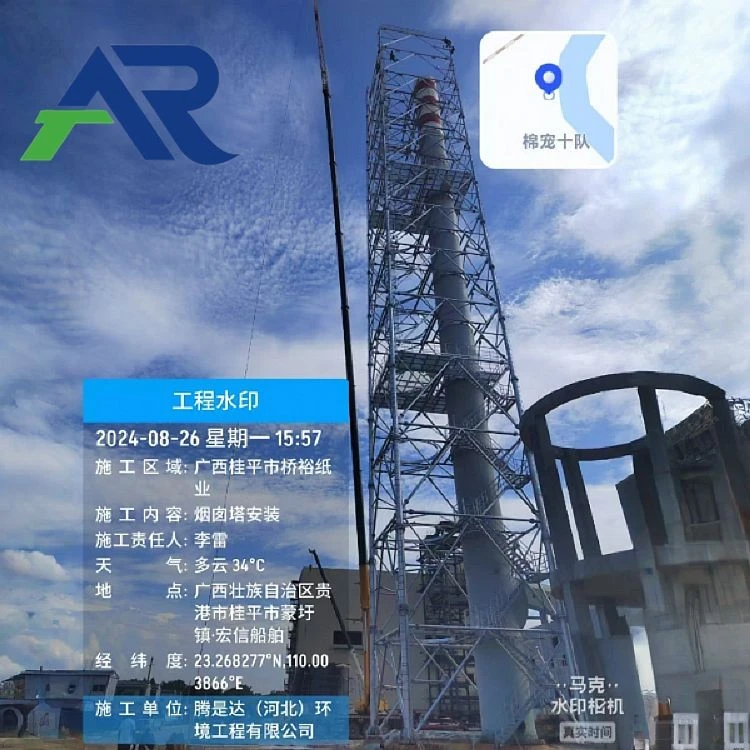
Most of the fiberglass products, including our Fiberglass Tower Chimneys, use fire - retardant resins. These resins are formulated to slow down the spread of fire and reduce the amount of heat released during a fire event. When exposed to fire, the fire - retardant resin will start to decompose at a relatively high temperature, and in the process, it forms a char layer on the surface of the fiberglass. This char layer acts as a barrier, protecting the underlying fiberglass from direct contact with the flames and heat.
The fire - resistance level of a Fiberglass Tower Chimney is usually classified according to industry standards. In general, we can talk about different ratings such as Class A, Class B, and Class C. Class A is the highest level of fire resistance. A Fiberglass Tower Chimney with a Class A rating can withstand a certain period of intense fire exposure with minimal damage and slow spread of flames. Class B and Class C have relatively lower levels of fire resistance.
Let's break down how we test the fire - resistance of our Fiberglass Tower Chimneys. We follow strict testing procedures that simulate real - world fire scenarios. For example, we expose the chimney samples to a controlled fire source for a specific duration. During this time, we measure parameters like the rate of flame spread, the amount of heat released, and the integrity of the chimney structure.
If a chimney can maintain its structural integrity during the test, with limited flame spread and heat transfer, it gets a good fire - resistance rating. For instance, if the flame spread is less than a certain distance within a given time frame, and the heat transfer through the chimney wall is within an acceptable range, it indicates a high - quality fire - resistant chimney.
Compared to other types of tower chimneys, like the Titanium Steel Composite Plate Tower Chimney, Fiberglass Tower Chimneys have their own advantages and disadvantages in terms of fire resistance. Titanium steel composite plate chimneys are made of metal, which is generally more heat - conductive. In a fire, the metal can transfer heat quickly, which might lead to a faster rise in temperature inside the chimney.
On the other hand, fiberglass has a lower thermal conductivity. So, during a fire, the heat transfer through the fiberglass chimney wall is slower, giving more time for people to react and for the fire to be controlled. However, the metal chimneys are often more resistant to physical damage during a fire, as they are more rigid and less likely to deform compared to fiberglass.
Now, let's talk about the factors that can affect the fire - resistance of a Fiberglass Tower Chimney. The thickness of the chimney wall is one important factor. A thicker wall generally provides better fire protection because it takes more time for the heat to penetrate through. The quality of the fire - retardant resin also matters a great deal. If the resin has a high - quality formulation, it will form a more effective char layer and provide better fire - resistance.
The installation environment can also impact the fire - resistance. For example, if the chimney is installed in an area with good ventilation, the heat and smoke can dissipate more easily, reducing the stress on the chimney during a fire. On the contrary, if it's installed in a confined space, the heat can build up quickly, potentially reducing the effectiveness of the chimney's fire - resistant properties.
In terms of maintenance, proper maintenance is crucial for maintaining the fire - resistance of a Fiberglass Tower Chimney. Regular inspections can help detect any signs of damage to the chimney, such as cracks or delamination of the fiberglass layers. If there are any damages, they should be repaired promptly. Damaged areas can compromise the fire - retardant properties of the chimney, as the char layer may not form properly in these areas.
We also offer customization options for the fire - resistance of our Fiberglass Tower Chimneys. Depending on your specific requirements, we can adjust the formulation of the fire - retardant resin and the thickness of the chimney wall to meet different fire - resistance ratings. If you are operating in an area with high fire risks, like a chemical plant or a refinery, we can provide you with a chimney that has a higher fire - resistance level.
So, if you're in the market for a Fiberglass Tower Chimney, fire - resistance should definitely be one of your top considerations. Whether you need a chimney for a small - scale industrial facility or a large - scale power plant, our Fiberglass Tower Chimneys can be a great choice.
If you're interested in learning more about our Fiberglass Tower Chimneys, including their fire - resistance levels and other features, don't hesitate to reach out to us. We're more than happy to have a detailed discussion with you about your specific needs and provide you with the best solutions. We can offer you a wide range of products with different fire - resistance ratings, and we'll work with you to ensure that you get the chimney that meets your exact requirements.
In conclusion, the fire - resistance level of a Fiberglass Tower Chimney is an important characteristic that is determined by the quality of the fire - retardant resin, the thickness of the chimney wall, and proper installation and maintenance. With our strict testing procedures and customization options, we can provide you with a reliable and fire - resistant chimney for your various applications.
References:
- Industry standards for chimney fire - resistance testing
- Research papers on the properties of fiberglass and fire - retardant resins